4 Easy Window AC Cleaning Mistakes I Learned the Hard Way
I still remember the first time my window air conditioner started blowing warm air in the middle of a scorching summer afternoon. It wasn’t just inconvenient—it felt like betrayal. I had assumed that owning an AC unit meant cool air on demand, no questions asked. What I didn’t realize back then was that an air conditioner, especially a window unit, quietly demands care, attention, and a bit of respect.
Over time, I learned that cleaning a window AC is not just about wiping off visible dust. It’s about understanding how the machine breathes, how it works, and what it needs to perform at its best. Unfortunately, I didn’t learn this from a manual or a professional guide. I learned it the hard way—through mistakes that cost me time, money, and comfort.
This article isn’t just a list of tips. It’s a narrative of lessons—four simple mistakes that seem harmless at first but can seriously affect your AC’s performance. If you’ve ever thought, “It’s just dust, I’ll clean it later,” you might see a bit of yourself in my story.
mistake one: ignoring the filter until it’s too late
The filter is one of those components that’s easy to forget because it’s hidden behind the front panel. Out of sight, out of mind—that was my philosophy. I assumed that as long as air was coming out, everything was fine.
I couldn’t have been more wrong.
Over weeks and months, dust, pet hair, and tiny particles collected on the filter. What started as a thin layer slowly turned into a thick, suffocating blanket. The airflow weakened, but it happened so gradually that I didn’t notice. I adjusted the temperature lower, thinking the weather was just hotter than usual.
One evening, I finally opened the front panel. What I saw was shocking. The filter looked like it had been pulled out of a vacuum cleaner after months of use. It wasn’t just dirty—it was clogged to the point where light couldn’t pass through.
Cleaning it was simple: a rinse under water, a gentle scrub, and letting it dry. But the consequences of neglect weren’t so simple. The AC had been working harder than necessary, consuming more electricity and cooling less effectively. The room never felt quite as cool as it should have.
What I learned from this mistake is that filters are not optional maintenance. They are the lungs of your AC. When they’re blocked, the entire system struggles.
Now, I clean the filter every couple of weeks during peak usage. It takes less than ten minutes, but the difference it makes is noticeable almost instantly. The airflow improves, the cooling becomes more efficient, and the AC sounds less strained.
mistake two: using too much water and the wrong cleaning methods
The second mistake came from good intentions. After realizing how dirty the filter was, I decided to give the entire unit a thorough cleaning. I thought, “If a little cleaning helps, a deep cleaning must be even better.”
Armed with a bucket of water, a sponge, and some household cleaner, I went to work. I wiped down the front grille, splashed water onto the coils, and even tried to rinse parts of the unit while it was still partially installed in the window.
At the time, it felt productive. In reality, it was careless.
Window AC units are electrical appliances. They are not designed to handle uncontrolled amounts of water. While certain components can be cleaned with moisture, others must remain dry. I didn’t know the difference.
A day later, the AC started making unusual noises. The airflow was inconsistent, and there was a faint smell that didn’t seem right. Moisture had likely reached areas it shouldn’t have—possibly the fan motor or electrical connections.
I was lucky that the damage wasn’t permanent, but it could have been.
The right way to clean involves control and understanding. Instead of pouring water, I now use a damp cloth for external surfaces and a soft brush or vacuum for internal parts. If I need to clean the coils, I use a spray bottle with minimal water and ensure the unit is unplugged.
Another important lesson was patience. Letting components dry completely before turning the unit back on is crucial. Rushing the process can lead to short circuits or corrosion over time.
Cleaning is not about soaking the unit—it’s about removing dirt without introducing new problems.
mistake three: forgetting the rear side of the unit
For a long time, I treated my window AC like a one-sided device. I cleaned the front panel, the filter, and the visible vents. Everything looked neat and tidy from inside the room, so I assumed the job was done.
What I didn’t consider was the outdoor side of the unit.
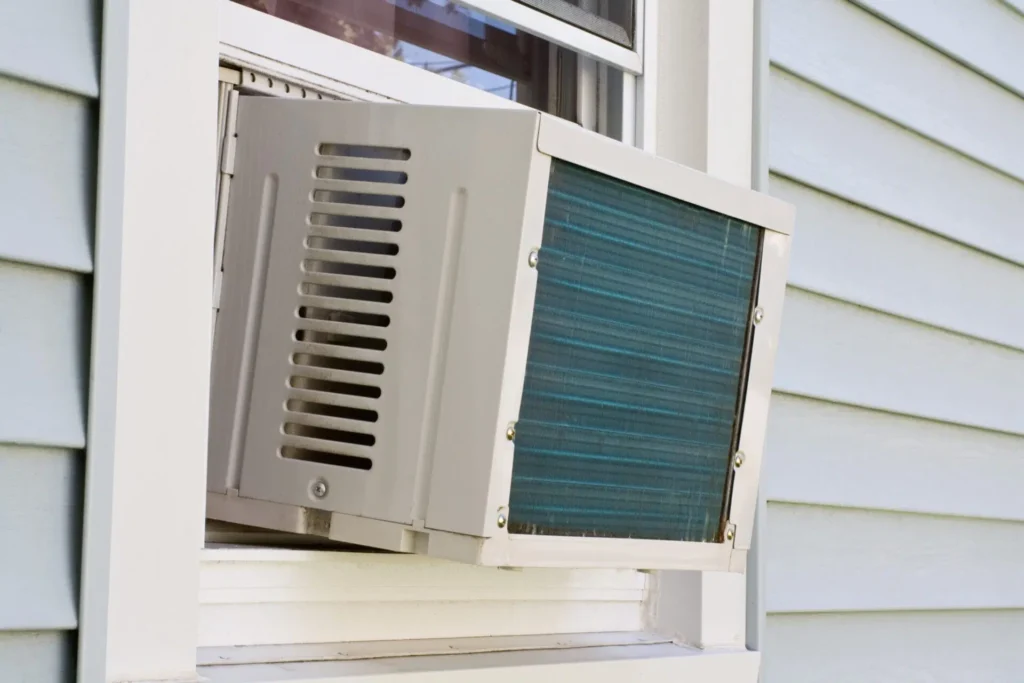
The back of a window AC is exposed to the elements. Dust, leaves, insects, and even pollution particles can accumulate there. Over time, the condenser coils at the rear can become clogged, reducing the unit’s ability to release heat.
I only realized this when I noticed that the AC was running longer than usual but not cooling effectively. The front looked clean, but the performance told a different story.
One day, I decided to inspect the rear. It wasn’t easy, especially since the unit was mounted securely in the window. But when I finally got a clear look, I was surprised. The back was covered in grime—far worse than anything inside.
Cleaning it required a bit more effort. I had to carefully access the rear side, remove debris, and gently brush the coils. I used a soft brush to avoid bending the delicate fins and a vacuum to remove loose dirt.
The improvement was immediate. The AC cooled faster and more efficiently. It felt like the unit had been given a second life.
This mistake taught me that a window AC operates on both sides of the wall. Ignoring the outdoor part is like cleaning only half of the machine.
Now, I make it a habit to check the rear side regularly. Even a quick inspection can prevent major buildup and keep the unit running smoothly.
mistake four: skipping regular maintenance because “it still works”
This is perhaps the most common and most dangerous mistake—not just with AC units, but with many appliances.
As long as something appears to be working, it’s easy to assume everything is fine. That was my mindset. The AC was turning on, producing cool air, and making no obvious noises. Why bother with maintenance?
The problem with this approach is that issues don’t appear overnight. They build up slowly. Reduced airflow, minor inefficiencies, and small amounts of dirt can accumulate until they become significant problems.
By the time I noticed something was wrong, it was usually too late for a simple fix. The AC would need more intensive cleaning or even professional servicing.
What I’ve learned is that maintenance is not about fixing problems—it’s about preventing them.
Now, I follow a simple routine:
- Clean the filter regularly
- Wipe down the front panel and vents
- Check the rear side for debris
- Listen for unusual sounds
- Pay attention to cooling performance
These small actions don’t take much time, but they make a huge difference in the long run.
a shift in mindset: from reactive to proactive care
Looking back, all four mistakes share a common theme: neglect born out of convenience. I didn’t ignore my AC because I didn’t care—I ignored it because it seemed fine.
But appliances don’t always show visible signs of trouble. They rely on us to take the initiative.
Taking care of a window AC is not complicated. It doesn’t require technical expertise or expensive tools. What it does require is consistency and awareness.
Once I shifted my mindset from reactive to proactive care, everything changed. The AC performed better, lasted longer, and even consumed less electricity. More importantly, I avoided the stress of sudden breakdowns during the hottest days of the year.
practical checklist you can follow
If there’s one thing I wish I had earlier, it’s a simple checklist. Something I could follow without overthinking.
Here’s what I use now:
- Every 2 weeks: clean the air filter
- Every month: wipe the front panel and vents
- Every 1–2 months: inspect and clean the rear side
- At the start of summer: do a thorough check and cleaning
- Before storing (if seasonal): clean and cover the unit properly
This routine doesn’t take much time, but it keeps the AC in good condition throughout the year.
lessons that extend beyond air conditioners
Interestingly, the lessons I learned from cleaning my window AC apply to many areas of life. Small, consistent efforts often prevent bigger problems. Ignoring something because it “still works” can lead to costly consequences later.
There’s also a sense of satisfaction in taking care of something you own. It’s not just about functionality—it’s about responsibility.
When I turn on my AC now, I don’t just feel the cool air. I feel a sense of control and confidence, knowing that I’ve done my part to keep it running well.
frequently asked questions
- how often should I clean my window AC filter
Ideally, you should clean the filter every two weeks during heavy usage. If you live in a dusty area or have pets, you may need to clean it more frequently. - can I use water to clean the inside of my AC
You can use a small amount of water, but it should be controlled. Avoid pouring water directly into the unit. Use a damp cloth or spray bottle, and always unplug the AC before cleaning. - why is my AC not cooling even after cleaning the filter
There could be several reasons, including dirty condenser coils at the rear, low refrigerant levels, or internal component issues. Start by cleaning both the front and rear, and if the problem persists, consider professional servicing. - is it necessary to clean the back side of a window AC
Yes, absolutely. The rear side contains the condenser coils, which are essential for heat exchange. If they are dirty, the AC’s efficiency drops significantly. - can regular cleaning reduce electricity bills
Yes. A clean AC doesn’t have to work as hard to cool the room, which can lead to lower energy consumption and reduced electricity bills. - what tools do I need for basic AC cleaning
You don’t need much—just a soft brush, a vacuum cleaner, a cloth, mild detergent, and a spray bottle. These basic tools are enough for regular maintenance.
In the end, the biggest takeaway from my experience is simple: don’t wait for your AC to fail before you pay attention to it. Those four mistakes taught me more than any manual ever could. And if sharing them helps you avoid the same frustrations, then they were worth it.