8 smart window AC energy saving hacks that cut bills fast
There’s a particular kind of frustration that hits when the electricity bill arrives right in the middle of a heatwave. You’ve been running your window AC just enough to stay comfortable—or so you thought—and yet the numbers on that bill tell a different story. The truth is, most people don’t realize how many small, fixable habits quietly drive their energy costs up.
This isn’t about turning your room into a sauna just to save a few rupees. It’s about using your window AC in a way that works smarter, not harder. Over time, I’ve noticed that even tiny adjustments—things you might ignore at first—can have a surprisingly big impact.
What follows are eight practical, real-world energy-saving hacks that don’t require technical expertise or expensive upgrades. They’re the kind of changes you can start today, and if you stick with them, you’ll likely see the difference sooner than you expect.
—
- Set the thermostat like you actually pay the bill
Most people crank their AC down to the lowest possible temperature when they walk into a hot room. It feels logical—cool the room faster, right? But window AC units don’t work like that. Setting it to 16°C instead of 24°C doesn’t cool the room faster; it just makes the unit run longer than necessary.
A smarter approach is to aim for a steady, comfortable range—typically around 24–26°C. This range balances comfort and efficiency without overworking the compressor.
Here’s something worth trying: instead of blasting cold air immediately, turn the AC on at a moderate setting and use a fan alongside it. The fan helps distribute cool air evenly, so the room feels cooler without needing lower temperatures.
You’ll notice that your AC cycles off more often instead of running continuously. That’s where the savings begin.
—
- Seal the invisible leaks around your window AC
A window AC is only as efficient as the space it cools. If cool air is escaping and hot air is sneaking in, your unit ends up working overtime just to maintain the same temperature.
Take a close look around your AC unit. Small gaps between the unit and the window frame are incredibly common, especially if the installation wasn’t perfectly snug. These gaps might seem minor, but they act like open doors for heat.
You can fix this without much effort:
- Use foam insulation strips or weather sealing tape
- Add a layer of insulation board for larger gaps
- Check the edges of the window itself, not just the AC
The difference is subtle at first, but over time you’ll notice the room cools faster and stays cooler longer—even after the AC cycles off.
—
- Clean the filter more often than you think you need to
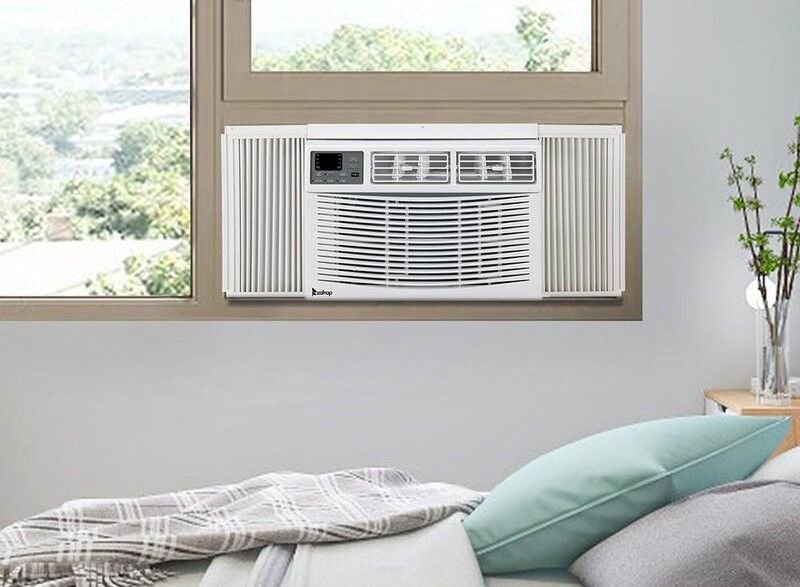
If there’s one habit that almost everyone neglects, it’s cleaning the air filter. A clogged filter restricts airflow, forcing the AC to use more energy just to push air through.
And here’s the tricky part: the unit still seems to work. You don’t get an obvious warning sign until efficiency has already dropped.
A simple routine can fix this:
- Clean the filter every 2–3 weeks during heavy use
- Wash it with water and let it dry completely before reinstalling
- If the filter looks worn out, replace it instead of cleaning
Once you do this consistently, you’ll likely notice the airflow feels stronger and the cooling more even. It’s one of the easiest ways to reduce unnecessary power consumption.
—
- Use curtains and sunlight like a strategy, not an afterthought
Sunlight is one of the biggest hidden contributors to indoor heat. If your room gets direct sunlight during the day, your AC is fighting a constant battle.
Heavy curtains, blinds, or reflective window films can significantly reduce heat gain. But the real trick is timing.
Close curtains before the sun starts hitting the window—not after the room has already heated up. Once the heat is inside, it takes much more energy to remove it.
In rooms with intense afternoon sun, blackout curtains can make a noticeable difference. The room feels cooler even before the AC turns on.
Think of it this way: every bit of heat you block is energy your AC doesn’t have to spend removing.
—
- Don’t cool empty rooms out of habit
It sounds obvious, but it’s surprisingly common. People leave their AC running while stepping out “just for a few minutes,” which often turns into much longer.
Window AC units don’t benefit from being left on unnecessarily. Unlike central systems, they cool relatively small spaces quickly. Turning them off when you leave—even for 30–40 minutes—can save a meaningful amount of energy over time.
If you’re worried about returning to a hot room, consider this:
- Turn the AC off before leaving
- Close curtains to keep heat out
- Turn it back on when you return
Within minutes, the room will cool down again. You’re not losing comfort—you’re just avoiding waste.
—
- Keep the outdoor side of your AC clean and breathable
Window AC units have two sides: the indoor side that cools your room and the outdoor side that releases heat. If the outdoor portion is blocked or dirty, the entire system struggles.
Dust, debris, and even plants can restrict airflow. In some cases, people unknowingly place objects near the unit that trap heat around it.
Check the outside portion regularly:
- Remove dust buildup on the coils
- Ensure there’s enough space around the unit
- Avoid placing objects that block airflow
A clean, well-ventilated outdoor section allows the AC to release heat efficiently. When heat leaves easily, the unit uses less energy to maintain your desired temperature.
—
- Use timers and smart habits instead of constant running
You don’t need a high-end smart AC to use smart habits. Even basic window AC units often come with timers—and if yours doesn’t, a simple plug timer can do the job.
Think about your routine:
- You don’t need full cooling while you’re asleep
- You don’t need the AC running at full power right before you wake up
Set the timer to turn off after you fall asleep and turn back on shortly before you wake up. This reduces hours of unnecessary operation without affecting comfort.
Another small trick is to increase the temperature slightly during the night. Your body doesn’t need the same level of cooling while you’re sleeping.
Over a month, these small adjustments add up more than you might expect.
—
- Match your room size with your AC’s capacity
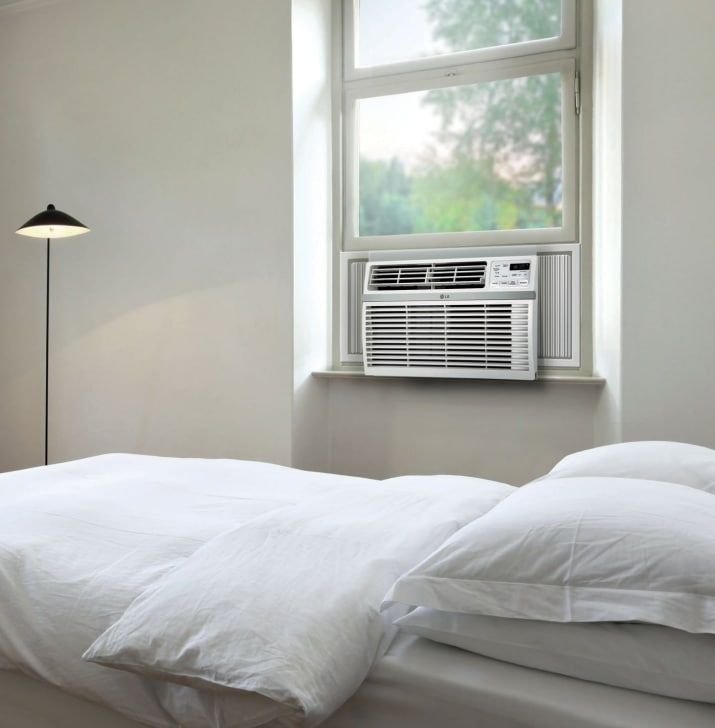
This is one of the most overlooked factors. If your window AC is too small for the room, it will run constantly without ever fully cooling the space. If it’s too large, it will cycle on and off frequently, wasting energy.
While replacing a unit isn’t always an immediate option, understanding this mismatch helps you adjust expectations and usage.
For example:
- In a larger room, use a fan to help distribute cool air
- Close off unused sections of the space
- Avoid heat-generating activities (like cooking) in the same room
If you’re planning to buy a new unit in the future, choosing the right capacity for your room size will make a noticeable difference in both comfort and energy efficiency.
—
the subtle shift that makes everything work
None of these hacks are complicated. In fact, that’s the point. Energy efficiency with a window AC isn’t about one big change—it’s about a collection of small, consistent habits.
What’s interesting is how quickly these changes start to feel normal. You stop thinking about them as “energy-saving tricks” and start seeing them as just the way things should be done.
And then one day, the electricity bill shows up—and it doesn’t feel like a surprise anymore.
—
frequently asked questions
- what is the best temperature setting for saving energy with a window AC?
A setting between 24°C and 26°C is generally ideal. It keeps the room comfortable while preventing the AC from overworking. Lower temperatures don’t cool faster—they just consume more electricity.
- how often should I clean my window AC filter?
During peak usage, cleaning the filter every 2–3 weeks is recommended. If your environment is dusty, you may need to clean it more frequently.
- does turning the AC on and off save more energy than leaving it running?
Yes, in most cases. Window AC units cool rooms relatively quickly, so turning them off when not needed avoids unnecessary energy consumption.
- do curtains really make a difference in cooling?
Absolutely. Blocking sunlight reduces heat entering the room, which means your AC doesn’t have to work as hard to maintain the temperature.
- can using a fan with my AC reduce electricity usage?
Yes. Fans help circulate cool air more effectively, allowing you to set the AC at a higher temperature while maintaining comfort.
- is it worth sealing small gaps around my window AC?
Yes, even small gaps can lead to significant energy loss over time. Sealing them improves cooling efficiency and reduces the workload on your AC.
—
If you start with just two or three of these changes, you’ll already be ahead of where most people are. And once you see the difference, it becomes easier to build on those habits—until saving energy isn’t something you try to do, it’s just how you use your AC.