

5 easy window AC energy saving tricks for summer
Summer arrives with a certain stubbornness. The heat doesn’t just visit—it settles in, presses against walls, lingers in curtains, and wraps itself around you when the fan alone can’t keep up. That’s when the window AC becomes less of a luxury and more of a lifeline. But along with that comfort comes a quiet worry: the electricity bill.
Most people think saving energy with a window AC requires expensive upgrades or technical knowledge. It doesn’t. Often, it’s about small shifts—habits, positioning, timing—that together make a noticeable difference. The kind of difference you feel not just in your room, but in your monthly expenses.
This isn’t a list of generic tips. Think of it as a practical, lived-in guide—built from everyday use, small observations, and the kind of adjustments that actually stick.
trick 1: set the temperature like you mean it
There’s a common instinct to crank the AC down to the lowest setting the moment you enter a hot room. It feels logical: the lower the temperature, the faster the room cools. But here’s the thing—window AC units don’t work like a sprint; they work like a steady climb.
Setting your AC to 16°C doesn’t cool your room faster than setting it to 24°C. What it does do is force the compressor to run longer, consuming more electricity while offering very little extra comfort.
A smarter approach is to start at a moderate temperature—around 24°C to 26°C. Give the room time to adjust. Once the heat settles, you’ll realize the space feels comfortable without the AC working overtime.
There’s also a psychological shift here. When you walk into a slightly warm room and gradually cool it, your body adapts better. The cold feels more natural, less harsh.
Try this small experiment:
- Walk into your room and set the AC to 25°C.
- Turn on a ceiling fan at low or medium speed.
- Wait 10–15 minutes.
You’ll likely feel comfortable without ever touching the lowest setting.
That fan? It’s doing more work than you think. It spreads the cool air evenly, helping you feel cooler at a higher AC temperature.
Small adjustment, big impact.
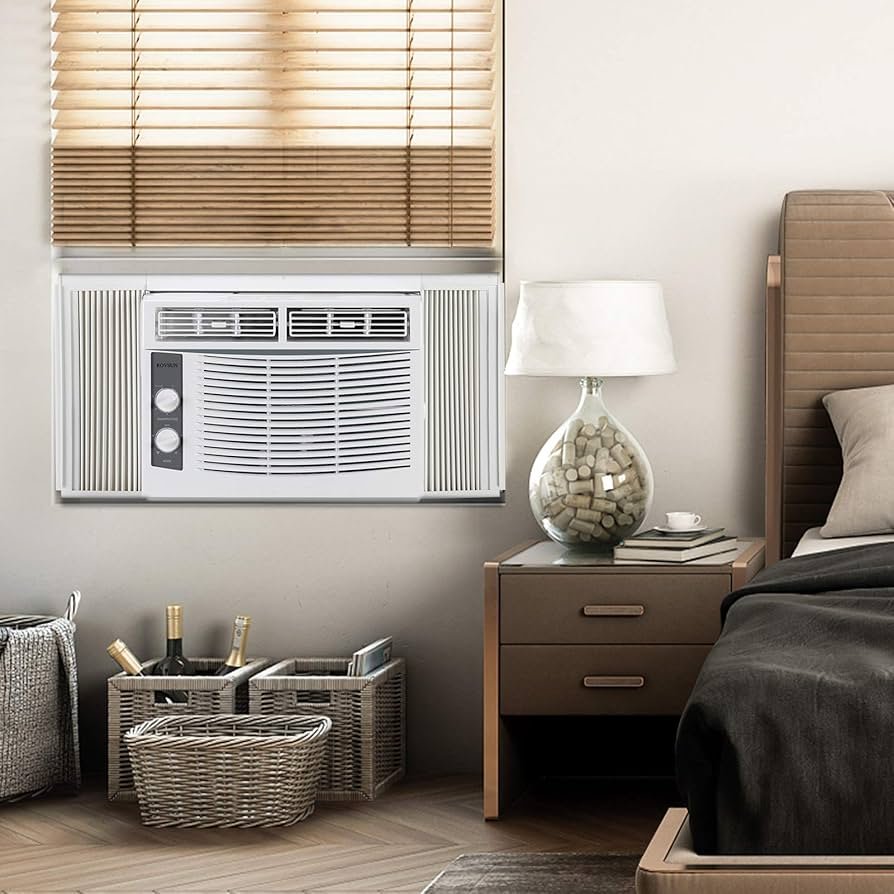
trick 2: seal the room like you’re keeping something valuable inside
Cool air is like water—it escapes through the smallest gaps. A window AC can only do its job if the room holds onto the cool air it produces.
Take a look around your room. Not a quick glance—really look.
Is there a thin line of light under the door?
Do the window edges feel slightly warm?
Are curtains just decorative instead of functional?
Each of these is an escape route.
Start with the door. A simple door draft stopper or even a rolled-up towel placed at the bottom can prevent cool air from leaking out. It’s not glamorous, but it works.
Next, check the window where your AC is installed. If there are gaps around the unit, seal them with foam strips or insulating tape. Even cardboard, cut and fitted properly, can reduce air leakage.
Curtains matter more than people think. Thick curtains or blackout drapes block sunlight, which is one of the biggest contributors to indoor heat. During peak sunlight hours, keep them closed.
Here’s a quick checklist you can follow:
- Door gaps blocked
- Window edges sealed
- Curtains drawn during the day
- AC unit properly fitted without loose sides
Once you’ve done this, your AC doesn’t have to fight against incoming heat. It simply maintains the temperature—which uses far less energy.
trick 3: clean the filter like it’s part of your routine, not an afterthought
If there’s one habit that gets ignored the most, it’s cleaning the AC filter.
And yet, it’s one of the simplest ways to improve efficiency.
A dirty filter restricts airflow. When airflow is restricted, the AC works harder to push cool air into the room. That extra effort translates directly into higher electricity usage.
Think of it like breathing through a cloth. You can do it, but it takes more effort.
Most window AC units have easily removable filters. You don’t need tools or technical skills—just a few minutes.
Here’s how to make it part of your routine:
- Turn off the AC
- Open the front panel
- Slide out the filter
- Rinse it with water
- Let it dry completely before placing it back
Doing this once every two weeks during peak summer can make a noticeable difference.
You’ll likely feel stronger airflow almost immediately. The room cools faster, and the AC doesn’t need to run as long.
If you’ve never cleaned your filter before, the first time might surprise you. Dust builds up quietly, layer by layer, until it starts affecting performance.
This is one of those habits that feels small but pays off consistently.
trick 4: use timers and sleep mode instead of running it all night
There’s a comfort in falling asleep with the AC running. The room is cool, the air feels still, and sleep comes easily.
But leaving the AC on all night at the same setting isn’t always necessary.
As the night progresses, outdoor temperatures drop. Your body also cools naturally during sleep. That means the AC doesn’t need to work as hard—or as long.
Most window AC units come with a timer or sleep mode. These features are often ignored, but they’re designed exactly for this purpose.
Sleep mode gradually increases the temperature by 1–2 degrees over a few hours. It maintains comfort while reducing energy consumption.
If your unit has a timer, you can set it to turn off after a few hours. For example:
- Start the AC at bedtime
- Set a timer for 2–3 hours
- Let the room stay cool while you fall asleep
By the time the AC turns off, the room is already comfortable, and the cooler night air helps maintain that temperature.
If you wake up later feeling warm, you can always turn it back on. But most of the time, you won’t need to.
This approach can significantly reduce the number of hours your AC runs each night.
Less runtime, lower bill.
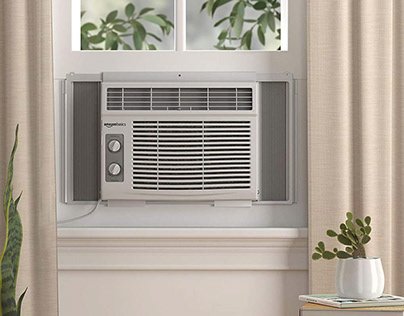
trick 5: give your AC the right environment to work efficiently
Where and how your window AC is installed plays a bigger role than most people realize.
If the unit is exposed to direct sunlight for most of the day, it has to work harder to cool the air. The external part heats up, reducing efficiency.
If possible, install the AC on a shaded wall or use an external shade or awning. Even a simple cover can reduce heat exposure.
Inside the room, placement matters too. Avoid blocking the airflow with furniture. If a bed, sofa, or curtain is directly in front of the AC, the cool air can’t circulate properly.
Keep the area in front of the AC clear.
Also, limit the number of heat-generating devices in the room. Electronics like TVs, computers, and even lights add to the heat load. Turning off unnecessary devices helps the AC maintain temperature more easily.
Here’s a quick environment check:
- AC unit shaded from direct sunlight
- No furniture blocking airflow
- Minimal heat-generating devices in use
- Room size appropriate for AC capacity
Sometimes, inefficiency isn’t about the AC itself—it’s about the conditions it’s working in.
a small shift in mindset
Energy saving isn’t about discomfort. It’s not about sweating through summer just to cut costs.
It’s about using what you already have more intelligently.
When you combine these five tricks—temperature control, sealing the room, cleaning the filter, using timers, and optimizing placement—you create a system where your AC works with you, not against you.
You’ll notice the room cools faster. The air feels more consistent. And over time, the electricity bill becomes less of a shock.
Not because you used the AC less—but because you used it better.
frequently asked questions
- what is the best temperature setting for saving energy in a window AC?
The ideal range is usually between 24°C and 26°C. This balance keeps the room comfortable while reducing the load on the compressor, which helps save electricity.
- how often should I clean my window AC filter?
During heavy summer use, cleaning the filter every two weeks is recommended. If the environment is dusty, you might need to clean it more frequently.
- does using a fan with AC really save energy?
Yes, it does. A fan helps circulate cool air more evenly, allowing you to set the AC at a higher temperature without losing comfort.
- is it better to turn the AC off or leave it on all day?
If you’re leaving the room for an extended period, it’s better to turn it off. Keeping it running in an empty room wastes energy.
- can sealing the room really make a big difference?
Absolutely. Even small gaps allow cool air to escape and warm air to enter, forcing the AC to work harder. Proper sealing improves efficiency significantly.
- does sleep mode actually reduce electricity consumption?
Yes, sleep mode gradually adjusts the temperature and reduces compressor usage during the night, which lowers energy consumption without affecting comfort.
—
At the end of the day, comfort and efficiency don’t have to compete. With a few mindful adjustments, your window AC can keep you cool without quietly draining your wallet. Summer will still be hot—but your approach to it can be a lot smarter.