
9 proven window AC energy saving secrets experts use
When summer heat starts rising, a window air conditioner becomes more of a necessity than a luxury. But along with relief comes another problem—electricity bills that climb faster than the temperature. The good news is that experienced HVAC technicians and energy experts know several practical tricks that can significantly reduce energy consumption without sacrificing comfort.
Most people assume saving electricity with a window AC requires expensive upgrades or technical modifications. In reality, small adjustments in usage habits, installation, and maintenance often make the biggest difference. These are not theoretical ideas—they are field-tested methods used by professionals who deal with cooling systems every day.
Below are nine proven window AC energy saving secrets that experts rely on to keep cooling efficient and affordable.
- proper sealing around the window unit
One of the most overlooked causes of energy waste is air leakage. Even a small gap around a window AC unit allows hot outdoor air to enter and cool indoor air to escape. This forces the compressor to run longer cycles, increasing electricity consumption.
Experts always ensure the unit is tightly sealed using foam insulation strips or weatherproof sealant. Some also use side panels that come with the AC, but reinforce them with additional insulating material for better efficiency.
A properly sealed window AC can improve cooling efficiency by up to 20–25% because it reduces the workload on the compressor. The key idea is simple: if cooled air is escaping, your AC is constantly working against itself.
A practical tip is to check for air leaks at night using a candle or hand movement near the edges. If you feel air escaping, it’s time to reseal.
- setting the thermostat at the right temperature
Many users make the mistake of setting their AC to the lowest possible temperature, thinking it cools the room faster. In reality, a window AC cools at a fixed rate regardless of temperature settings.
Experts recommend keeping the thermostat around 24°C to 26°C for optimal balance between comfort and energy savings. Each degree lower can increase electricity usage by 6–10%.
Instead of lowering the temperature excessively, it is better to use fans to circulate cool air more effectively. This allows the room to feel cooler without forcing the AC to overwork.
This habit alone can significantly reduce monthly electricity bills if followed consistently.
- cleaning the air filter regularly
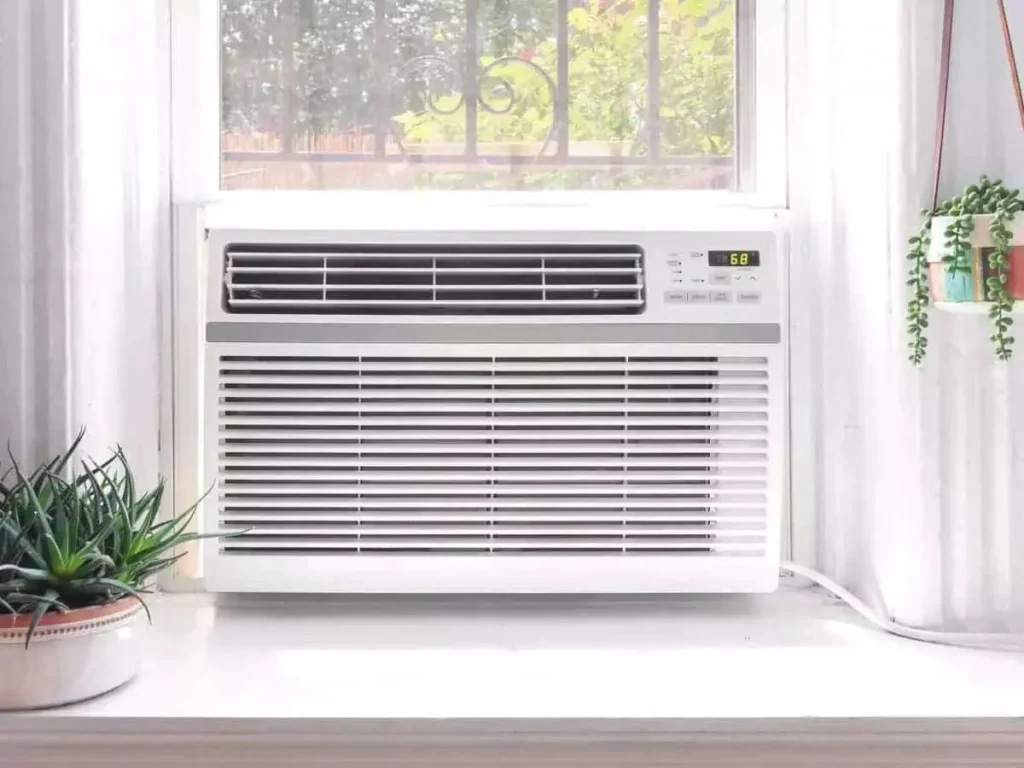
A clogged air filter is one of the most common reasons for reduced AC efficiency. Dust buildup restricts airflow, making the system work harder to pull air through the unit.
Professionals often clean filters every two weeks during peak summer usage. In dusty environments, weekly cleaning may be necessary.
Cleaning the filter is simple:
Remove it, wash it gently with water, let it dry completely, and reinstall it.
A clean filter improves airflow, enhances cooling performance, and reduces energy consumption by up to 15%. It also improves indoor air quality, which is especially important for people with allergies or respiratory issues.
- using curtains and shading effectively
Direct sunlight significantly increases indoor temperature, forcing the AC to work harder. Experts always recommend blocking heat before it enters the room.
Thick curtains, blackout blinds, or reflective window films can reduce heat gain dramatically. Even simple solutions like closing curtains during peak sunlight hours can reduce indoor temperature by several degrees.
Outdoor shading methods such as planting trees or using awnings can also make a noticeable difference over time.
The logic is straightforward: the less heat enters the room, the less energy your AC needs to remove it.
- avoiding heat-producing appliances during AC use
Another secret used by energy experts is managing internal heat sources. Appliances like ovens, irons, and even incandescent bulbs generate heat that increases room temperature.
When these devices are used while the AC is running, the cooling system must compensate for additional heat load.
Experts suggest shifting high-heat activities to early morning or evening hours. Switching to LED lighting also helps reduce unnecessary heat buildup.
This simple behavioral change reduces stress on the AC compressor and improves overall efficiency without any technical modification.
- ensuring proper installation height and position
Window AC performance depends heavily on correct installation. Many users install units without considering airflow direction or sunlight exposure.
Experts recommend installing the AC on a shaded side of the house whenever possible. If that is not possible, adding external shading can help.
Height also matters. Installing the unit too low or too high can affect air circulation. Ideally, the AC should be positioned to allow cool air to distribute evenly across the room.
Incorrect installation can reduce efficiency by up to 30%, making this one of the most critical yet ignored factors.
- using energy-saving mode and fan settings wisely
Modern window AC units often come with energy-saving or eco modes. These settings optimize compressor cycles by automatically adjusting cooling based on room temperature.
Experts prefer using fan-only mode once the room reaches a comfortable temperature. This maintains airflow while reducing compressor usage.
Cycling between cooling and fan modes instead of running the compressor continuously is a technique widely used in energy-conscious households.
Understanding your AC settings can lead to smarter usage patterns and noticeable savings over time.
- regular maintenance and servicing
Even the best AC unit loses efficiency without maintenance. Dust accumulation in coils, refrigerant issues, and worn-out components can all reduce performance.
Experts recommend professional servicing at least once a year before peak summer begins. This includes coil cleaning, gas level checks, and overall system inspection.
A well-maintained AC not only cools better but also consumes significantly less electricity because all components operate smoothly.
Neglecting maintenance can increase energy consumption by 20–40% over time, making this one of the most important secrets on the list.
- using ceiling or pedestal fans alongside AC
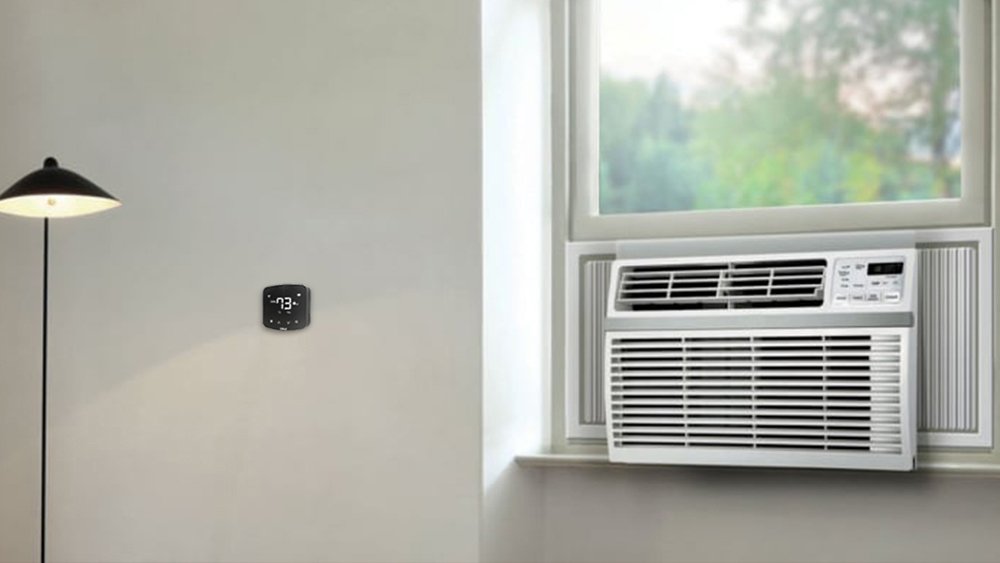
A common expert strategy is combining a window AC with a fan. Fans help distribute cool air evenly throughout the room, reducing the need for lower temperature settings.
This combination allows the thermostat to be set higher while maintaining comfort. Air circulation prevents cold spots and improves overall cooling efficiency.
Experts often describe this as “assisted cooling,” where the AC doesn’t have to work alone. This small adjustment can lead to noticeable energy savings over time.
conclusion
Saving energy with a window AC is not about one big change—it is about combining multiple small, smart habits. From sealing air leaks to optimizing temperature settings and maintaining regular cleaning routines, each step contributes to reducing electricity consumption.
Experts consistently emphasize that efficiency comes from behavior as much as from technology. A well-maintained and properly used window AC can deliver strong cooling while keeping electricity bills under control.
By applying these nine proven secrets, any household can enjoy a cooler environment without unnecessary energy waste.
FAQs
- What is the ideal temperature setting for a window AC?
Experts recommend 24°C to 26°C as the most efficient range for balancing comfort and energy savings. - How often should I clean my window AC filter?
Every two weeks during heavy use, or weekly in dusty environments, is ideal. - Does using a fan with AC really save electricity?
Yes, fans help distribute cool air, allowing higher thermostat settings and reducing AC load. - How much electricity can proper sealing save?
Proper sealing can improve efficiency and reduce energy waste by up to 20–25%. - Is regular servicing really necessary?
Yes, annual servicing ensures optimal performance and can prevent 20–40% energy loss due to inefficiency. - Does lowering temperature cool the room faster?
No, ACs cool at a fixed rate. Lowering temperature only makes the system run longer, not faster.