
5 Simple Window AC Cleaning Habits for Long Life
There is something quietly comforting about the low hum of a window air conditioner on a hot afternoon. It is one of those background presences we rarely think about—until it stops working, starts smelling strange, or simply fails to cool like it used to. Most people assume that when performance drops, the machine is “getting old.” In reality, neglect is often the bigger culprit.
A window AC unit is not just a box that blows cold air. It is a carefully balanced system of airflow, heat exchange, and moisture control. Dust, grime, and humidity can slowly disrupt that balance. The good news is that you do not need to be a technician to extend its life. What you need are habits—small, repeatable actions that prevent big problems.
This article is not just a checklist. It is a deeper look into five simple cleaning habits that, when practiced consistently, can add years to your window AC’s life while saving you money, reducing energy consumption, and improving the air you breathe.
habit one: keeping the filter clean is not optional
The air filter is the first line of defense in your window AC. It catches dust, pollen, pet hair, and countless microscopic particles before they reach the internal components. When it is clean, airflow is smooth and efficient. When it is clogged, everything begins to suffer.
Think of the filter like a mask for your AC. If you tried to breathe through a thick layer of dust, you would struggle—and so does your machine.
A dirty filter restricts airflow. This forces the fan motor to work harder and the evaporator coil to get colder than it should. Over time, this can lead to ice formation, reduced cooling, and even compressor damage. The unit may run longer cycles, consuming more electricity while delivering less comfort.
The habit itself is simple: check the filter every two weeks during heavy use and clean it at least once a month.
Cleaning does not require special tools. Remove the filter, shake off loose dust, and rinse it under running water. If grease or stubborn dirt is present, a mild soap solution works well. Let it dry completely before reinstalling it.
What makes this habit powerful is consistency. Many people clean their AC once a year and assume that is enough. It is not. The filter collects dust daily. Regular attention prevents buildup rather than fighting it later.
A small note to remember: if your environment is dusty or if you have pets, increase the frequency. Your AC reflects your surroundings.
habit two: clearing the front grill and airflow path
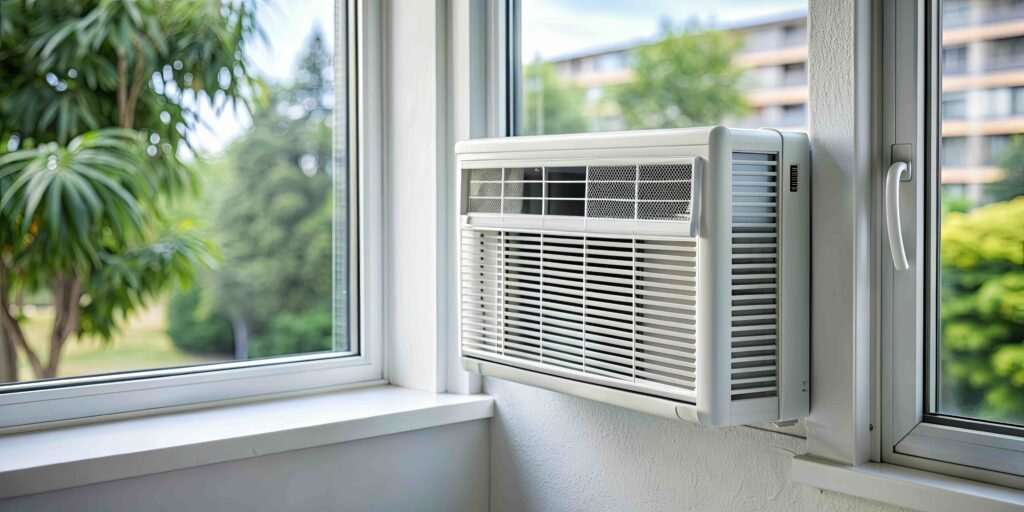
Most users focus on the inside components but overlook the front grill—the very place where air enters the system. Over time, this area collects dust layers that act like a silent barrier.
Stand in front of your AC and look closely. If you see dust lines or feel reduced airflow, that is a sign the grill needs attention.
The purpose of the front grill is to allow unrestricted air intake. When dust accumulates, it disrupts airflow patterns. The AC may still run, but it will not breathe freely. That leads to uneven cooling and increased strain on internal parts.
The habit here is quick but often ignored: wipe the front grill weekly.
Use a dry cloth for light dusting or a slightly damp cloth for more stubborn dirt. For deeper cleaning, a soft brush or even a vacuum with a brush attachment can remove debris from the slats.
There is also a subtle psychological benefit to this habit. When the front of the unit looks clean, you are more likely to notice changes in performance early. Visual awareness leads to faster action.
In households where cooking smoke, incense, or pollution is common, the grill can accumulate sticky residue. In such cases, a mild detergent solution helps restore it.
This habit may seem cosmetic, but it is functional at its core. Clean air entry means efficient cooling and less wear on the system.
habit three: paying attention to the evaporator and condenser coils
Inside your window AC are two critical components: the evaporator coil (inside) and the condenser coil (outside). These coils are responsible for heat exchange—the very process that creates cool air.
When these coils are clean, heat transfer happens efficiently. When they are coated with dirt, their ability to exchange heat drops significantly.
Imagine trying to cool down while wrapped in a thick blanket. That is what a dirty coil experiences.
The habit here is not daily but seasonal: inspect and clean the coils every few months.
For the evaporator coil, you may need to open the front panel. If you see dust buildup, use a soft brush or a specialized coil cleaner spray. Be gentle; these fins are delicate and can bend easily.
The condenser coil, located at the back, is exposed to outdoor air. It often collects dust, leaves, and even small insects. Cleaning it requires care—turn off the power, then use a brush or low-pressure air to remove debris.
Do not use high-pressure water, as it can damage the fins.
What makes this habit essential is its long-term impact. Dirty coils force the compressor to work harder, increasing the risk of overheating and failure. Since the compressor is one of the most expensive parts to replace, protecting it should be a priority.
A well-maintained coil system can reduce energy usage noticeably. Many users report lower electricity bills after cleaning, which is not surprising when you consider how much strain dirt adds.
habit four: managing water and drainage properly
A window AC does more than cool air—it also removes humidity. As warm air passes over the evaporator coil, moisture condenses into water. This water must be drained efficiently.
If the drainage system is blocked, water can accumulate inside the unit. This creates several problems: unpleasant odors, mold growth, reduced cooling efficiency, and even internal damage.
The habit here is awareness and occasional cleaning of the drainage path.
Listen to your AC. If you hear unusual water sounds or notice water dripping indoors, something is wrong. Check the drain holes and ensure they are not clogged with dirt or algae.
A simple way to maintain this system is to flush the drain gently with water during cleaning sessions. Some users add a small amount of vinegar to prevent mold buildup.
This habit is especially important in humid climates, where moisture removal is constant. Neglecting it can turn your AC into a breeding ground for bacteria.
Clean drainage does not just protect the machine—it improves air quality. Mold spores circulating through your room can affect health, especially for those with allergies.
In a way, this habit connects mechanical care with personal well-being.
habit five: covering and protecting the unit when not in use
Many people clean their AC during summer but forget about it during the off-season. Dust, moisture, and even insects can settle inside when the unit is idle.
The habit here is simple: protect your AC when it is not in use.
If you remove the unit, store it in a dry place and cover it with a breathable cloth. If it remains installed, use an external cover to shield it from dust and weather.
Before covering, ensure the unit is clean and dry. Trapping moisture inside can lead to corrosion and mold.
This habit may not feel like “cleaning,” but it prevents dirt from accumulating in the first place. Prevention is always easier than removal.
When the next cooling season begins, your AC will be ready with minimal effort.
There is also a financial angle. Protecting your unit reduces the need for repairs and extends its lifespan. Considering the cost of replacement, this habit pays for itself many times over.
bringing it all together: the power of small habits
Individually, these habits may seem minor. Together, they create a maintenance routine that keeps your window AC running efficiently year after year.
The key is not perfection but consistency.
You do not need to spend hours each week. A few minutes here and there can prevent major issues. It is the difference between proactive care and reactive repair.
There is also a mindset shift involved. Instead of seeing cleaning as a chore, view it as an investment. Every time you clean your AC, you are preserving its performance, reducing energy costs, and ensuring comfort.
Over time, these habits become automatic. You no longer wait for problems—you prevent them.
a short practical routine you can follow
If you prefer a simple routine, here is one you can adapt:
Every week: wipe the front grill and check airflow
Every two weeks: inspect the filter
Every month: clean the filter thoroughly
Every 2–3 months: inspect coils and drainage
End of season: deep clean and cover the unit
This structure keeps everything manageable without overwhelming you.
real-life reflections
Many people only realize the importance of these habits after facing issues. A common story is the sudden drop in cooling during peak summer. The technician arrives, cleans the filter and coils, and the unit works like new. The realization is often the same: “I could have done this myself.”
Another scenario involves strange smells coming from the AC. The cause is usually mold in the drainage system. A simple cleaning habit could have prevented it.
These experiences highlight a pattern. Problems are rarely sudden—they build up slowly. Habits break that cycle.
common mistakes to avoid
While building these habits, it is important to avoid a few common mistakes:
Ignoring the power supply while cleaning. Always turn off the unit before any maintenance.
Using excessive water, especially on electrical parts.
Forcing delicate components like coil fins.
Delaying cleaning until performance drops significantly.
Awareness of these mistakes ensures that your efforts help rather than harm.
the deeper benefit: comfort and peace of mind
A well-maintained AC does more than cool a room. It creates a reliable environment where you can relax, work, and sleep comfortably.
There is also peace of mind in knowing your appliance is in good condition. You are less likely to face unexpected breakdowns during the hottest days.
In a way, these habits extend beyond the machine. They reflect a broader approach to care—taking small steps regularly to avoid bigger problems later.
final thoughts
A window AC does not demand much. It asks for attention, not expertise. The five habits discussed here are simple enough for anyone to follow, yet powerful enough to make a lasting difference.
Clean filter, clear airflow, maintained coils, proper drainage, and off-season protection—these are not complicated tasks. They are small acts of care that accumulate over time.
If you start today, your future self will thank you on a hot summer afternoon when your AC runs smoothly, quietly, and efficiently.
frequently asked questions
- how often should I clean my window AC filter?
Ideally, you should check it every two weeks and clean it at least once a month during heavy use. If you live in a dusty area or have pets, you may need to clean it more frequently. - can I use water to clean the AC coils?
You can use water carefully, but it should be low pressure. High-pressure water can damage the delicate fins. Specialized coil cleaners are often a safer option. - why does my AC smell bad even after cleaning the filter?
The smell may come from mold or bacteria in the drainage system or coils. Cleaning the drain and using a mild disinfectant can help eliminate the odor. - is it necessary to remove the AC unit during winter?
Not always. If you leave it installed, make sure to cover it properly to protect it from dust and weather. If possible, storing it indoors can extend its life further. - what happens if I never clean my window AC?
Neglect leads to reduced cooling efficiency, higher electricity bills, bad odors, and eventually component failure. Regular cleaning prevents these issues. - can regular cleaning really extend the lifespan of my AC?
Yes. Consistent maintenance reduces strain on key components like the compressor and fan motor, helping the unit last significantly longer.
By turning these simple practices into habits, you move from reacting to problems to preventing them entirely—and that is the real secret to a long-lasting window AC.