

small rooms have a personality of their own. they trap heat faster, cool unevenly, and often turn a powerful air conditioner into something that feels oddly ineffective. if you’ve ever sat in a tiny room waiting for your window ac to “kick in,” you already know the frustration. the truth is, small spaces don’t need more power—they need smarter setup.
this guide is not just a list of instructions. it’s a collection of practical insights, lived experiences, small mistakes, and the kind of quiet adjustments that actually make a difference over time. if you’re working with limited space, every inch and every airflow decision matters more than you think.
tip 1: choose the right capacity, not the biggest one
there’s a common assumption that a bigger ac cools faster and better. in a small room, that logic backfires. an oversized unit will cool the air too quickly without removing enough humidity, leaving the room feeling damp and uncomfortable.
instead, match the btus to your room size. for most small rooms (around 100–150 sq ft), a unit between 5,000 and 6,000 btus is often enough. when the unit runs longer cycles instead of short bursts, it balances both temperature and humidity.
you want consistency, not bursts of cold air.
tip 2: seal the gaps like it actually matters (because it does)
you might think a small crack around the window won’t make a difference. but in a compact room, even a thin gap becomes a constant entry point for warm air.
run your hand around the edges of the installed unit. if you feel airflow, fix it. use foam strips, weather sealing tape, or even temporary solutions like folded cloth if needed. the goal is simple: whatever cool air you produce should stay inside.
people often underestimate how much cooling is lost through poor sealing. in small rooms, it’s one of the biggest hidden problems.
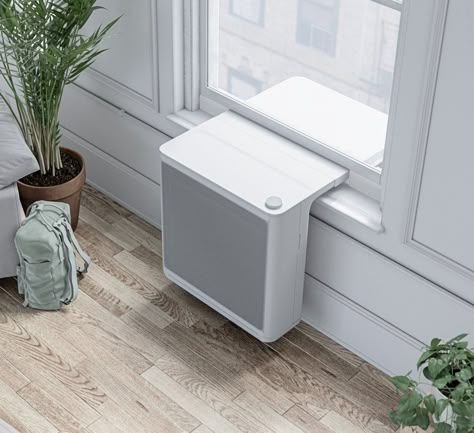
tip 3: install with a slight tilt outward
this is one of those technical details that gets ignored—until water starts dripping inside.
window ac units are designed to drain condensation toward the outside. if the unit is perfectly level or tilted inward, water can accumulate or leak back into the room.
a slight outward tilt ensures proper drainage. it also helps the unit function efficiently over time. it’s a small adjustment, but it prevents bigger problems.
tip 4: keep the airflow path completely clear
in small rooms, airflow has less space to spread. that means even a small obstruction can disrupt cooling.
avoid placing furniture directly in front of the ac. don’t hang curtains that block the vents. even decorative items on the windowsill can interfere with airflow.
stand back and observe the room. imagine the cold air as a stream—where does it go? if it hits something immediately, you’re reducing efficiency.
sometimes just moving a chair or shifting a table by a foot changes how the entire room cools.
tip 5: use light-colored curtains or blinds
sunlight is a silent enemy in small rooms. it heats up walls, furniture, and floors quickly, creating a constant load on your ac.
heavy, dark curtains absorb heat. light-colored or reflective blinds, on the other hand, reduce heat gain. keeping them closed during peak sunlight hours makes a noticeable difference.
it’s not about making the room dark—it’s about controlling heat before it even enters.
tip 6: position the thermostat sensor wisely
many window ac units have built-in thermostats that read the temperature near the unit itself. in a small room, this can be misleading.
if the ac is near a window exposed to sunlight, it might think the room is warmer than it actually is and keep running unnecessarily. or the opposite might happen if the sensor is too close to the cooling output.
some users place a small fan to circulate air more evenly, helping the thermostat get a more accurate reading. others manually adjust settings based on how the room feels rather than relying strictly on the display.
tip 7: use a small fan to assist circulation
this might sound counterintuitive—why use a fan when you already have an ac?
in a small room, cold air tends to settle quickly. a small, low-speed fan helps distribute that air evenly across the space. it prevents cold spots near the ac and warmer corners elsewhere.
you don’t need a powerful fan. even a gentle airflow can improve comfort significantly.
tip 8: keep the filter clean, always
in a compact environment, dust builds up faster than you think. a clogged filter reduces airflow, forcing the ac to work harder and cool less effectively.
make it a habit to check the filter every two weeks during heavy use. cleaning it is simple, but the impact is huge.
a clean filter means better airflow, faster cooling, and lower energy consumption.
tip 9: avoid heat-generating appliances
small rooms don’t have the luxury of absorbing extra heat. even a laptop, a bright light bulb, or a small appliance can raise the temperature noticeably.
try to minimize heat sources when the ac is running. switch to led lighting, unplug devices you’re not using, and avoid cooking or using heat-producing equipment in the same space.
this is less about the ac and more about reducing the load on it.
tip 10: insulate the room, not just the window
most people focus only on the window installation. but in small rooms, walls and doors play a big role too.
if the door has gaps, warm air from outside the room will keep entering. placing a draft stopper at the bottom of the door can help.
thin walls can also transfer heat from adjacent spaces. while you may not be able to change the structure, even small additions like wall hangings or shelves can slightly reduce heat transfer.
tip 11: run the ac early, not after the room heats up
waiting until the room becomes hot makes the ac work harder. in a small room, temperatures rise quickly, especially during the afternoon.
turning on the ac earlier helps maintain a stable temperature rather than trying to recover from a heat spike.
this approach feels subtle, but it changes how comfortable the room stays throughout the day.
tip 12: maintain realistic expectations
this might be the most overlooked “tip,” but it matters.
a window ac in a small room won’t create instant, uniform cooling like central air. there will always be slight variations. understanding this helps you focus on optimizing what you can control instead of chasing perfection.
comfort is a combination of temperature, airflow, humidity, and even how you use the space.
a small room teaches you that efficiency isn’t about power—it’s about balance.
bringing it all together
when you apply these tips together, something interesting happens. the room doesn’t just feel cooler—it feels stable. the ac doesn’t struggle. the air doesn’t feel uneven. everything settles into a kind of quiet efficiency.
you stop noticing the ac working, and that’s usually the best sign that it’s set up correctly.
small rooms reward attention to detail. every adjustment you make—no matter how minor—adds up.
frequently asked questions
- how do i know if my window ac is too big for my small room?
if the unit cools the room very quickly but shuts off frequently and leaves the air feeling humid or slightly sticky, it’s likely oversized. short cooling cycles are a common sign. - can i install a window ac without professional help?
yes, many window ac units are designed for diy installation. however, you need to be careful with sealing, support, and proper tilt. taking your time matters more than having advanced tools. - why does my small room still feel warm even when the ac is running?
this often comes down to airflow issues, poor sealing, or external heat sources. check for blocked vents, gaps around the unit, and heat coming from sunlight or electronics. - is it necessary to use a fan with a window ac?
not necessary, but highly recommended in small rooms. a fan helps distribute cool air evenly, improving overall comfort without increasing energy use significantly. - how often should i clean the filter in a small room setup?
every two weeks during regular use is a good rule. if the room gets dusty quickly, you may need to clean it more often. - does closing the door really make a difference?
yes, especially in small rooms. keeping the door closed prevents warm air from entering and helps maintain a consistent temperature inside.
in the end, setting up a window ac in a small room is less about following strict rules and more about understanding how air behaves in a confined space. once you start noticing those patterns, even small changes begin to feel powerful.