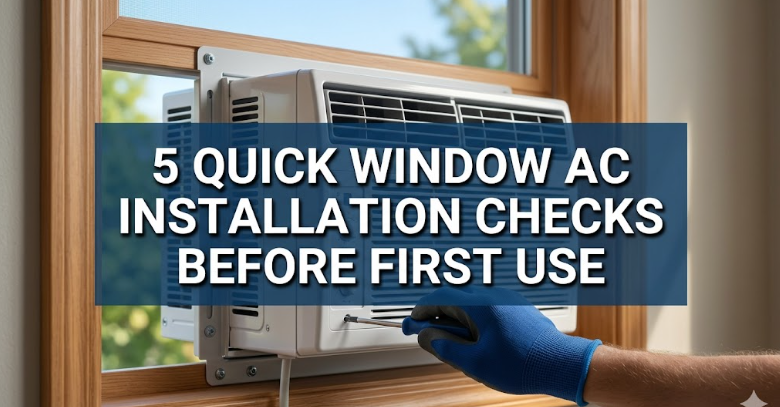
5 Quick Window AC Installation Checks Before First Use
There’s a moment that comes right after you finally mount your window air conditioner. You step back, wipe the sweat off your forehead, and think: “Done.” But that’s rarely the end of the story. In fact, the minutes between installation and first switch-on are some of the most important—and often overlooked—parts of the entire process.
I learned this the hard way one summer afternoon when I rushed through setup just to escape the heat. The AC turned on, sure—but the cooling felt weak, water started dripping where it shouldn’t, and the unit rattled like it was trying to take flight. That day taught me something simple: installation isn’t finished when the unit is in the window—it’s finished when it’s verified.
This article walks you through five quick but critical checks before using your window AC for the first time. These aren’t complicated technical procedures. They’re practical, hands-on inspections anyone can do. And they can save you from inefficiency, higher bills, or even damage.
Let’s walk through them one by one.
—
- Stability check: is the unit truly secure?
The first thing to confirm is something you might assume is already fine: the AC’s stability. But “looks secure” and “is secure” are not always the same thing.
When you install a window AC, its weight is distributed across the window frame and sometimes a support bracket. If either is slightly off, the entire unit can tilt, shift, or vibrate during operation.
Here’s how to properly check:
Stand directly in front of the AC and gently push on both sides. You’re not trying to move it—just testing for any looseness. A properly installed unit should feel firm, almost like part of the wall.
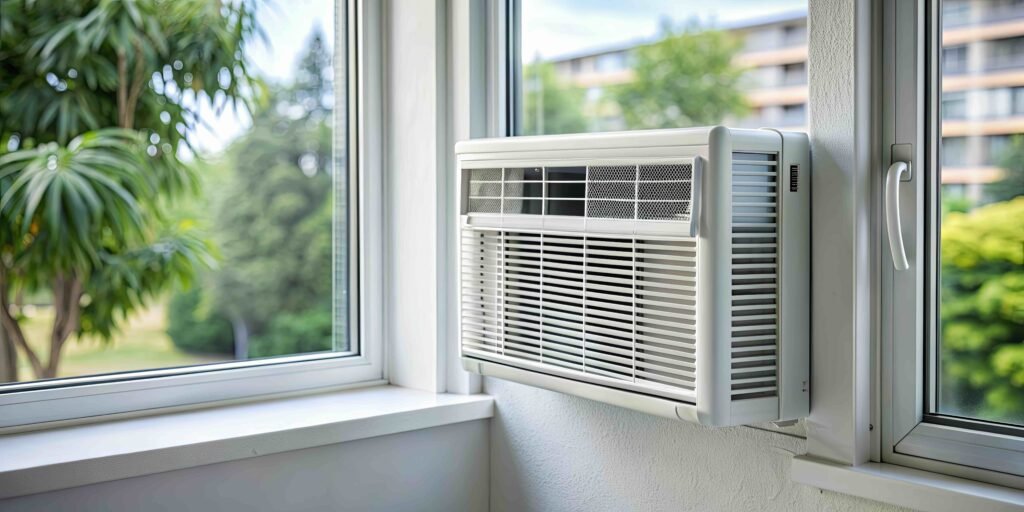
Now, check from outside if possible. Look at how the AC sits. Is it leaning too far forward or backward? A slight outward tilt is actually correct—it helps with condensation drainage—but anything excessive can be a problem.
Listen carefully. Even before turning it on, a poorly secured unit can creak or shift slightly when touched.
A quick checklist for stability:
- Does it wobble when lightly pushed?
- Are all mounting screws tightened?
- Is the support bracket (if used) firmly anchored?
- Does the window sash hold the unit snugly from above?
If any answer is “no,” fix it now. A loose AC doesn’t just make noise—it can damage the window frame, reduce cooling efficiency, and in extreme cases, become a safety hazard.
Think of this step as the foundation. Everything else depends on it.
—
- Sealing check: are there gaps letting air in or out?
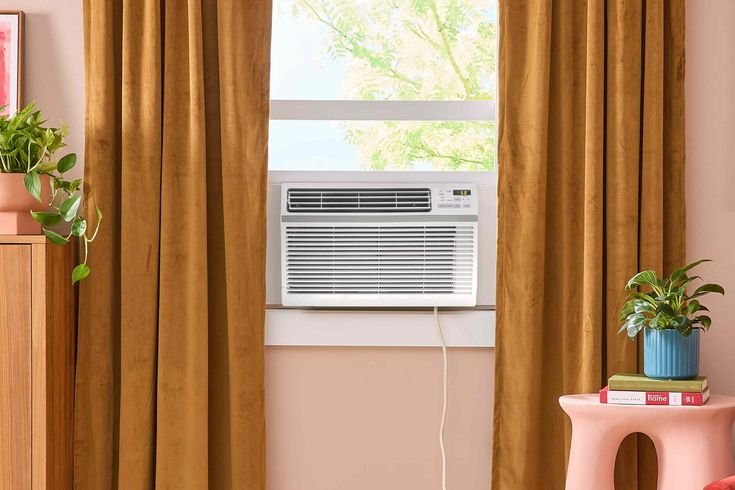
You could have the best air conditioner in the world, but if cool air is escaping—or hot air is sneaking in—you’re fighting a losing battle.
After installation, small gaps often remain around the sides or top of the unit. These gaps may seem insignificant, but they can drastically affect performance.
Run your hand slowly around the edges of the AC. Feel for air movement. Even without the unit running, you might sense drafts if outside air is entering.
Common problem areas:
- Side panels that aren’t fully extended
- Spaces between the AC and the window frame
- Tiny cracks near the top sash
What you can do immediately:
- Press foam insulation strips firmly into gaps
- Adjust side panels so they fit tightly
- Use weather sealing tape if needed
Here’s a simple way to test sealing effectiveness after turning on the AC: hold a thin strip of tissue paper near the edges. If it flutters, you’ve got airflow where you shouldn’t.
Why this matters more than people think:
A poorly sealed AC can lose a significant portion of its cooling capacity. That means longer run times, higher electricity bills, and uneven cooling.
Sealing isn’t glamorous work. It doesn’t feel like “real installation.” But it’s one of the most impactful steps you can take.
—
- Drainage check: where is the water going?
Air conditioners don’t just cool air—they remove moisture. That moisture turns into water, and that water needs somewhere to go.
If you’ve ever seen an AC dripping water outside, that’s normal. If you’ve seen water dripping inside your room, that’s a problem.
Before turning on your unit, take a moment to think about drainage.
Start by checking the tilt again. The back of the unit (the part outside) should be slightly lower than the front. This allows gravity to guide condensation outward.
Next, look at the drainage holes. Most window ACs have small openings at the back designed to release water. Make sure these aren’t blocked by packaging debris, dust, or improper installation.
You don’t need tools for this—just a visual inspection and maybe a quick wipe.
A practical test after first run:
Once the AC has been running for 10–15 minutes, step outside and check if water is dripping from the back. A steady, light drip is a good sign.
What to watch out for:
- Water pooling inside the unit
- No drainage at all after extended use
- Water leaking indoors
Ignoring drainage issues can lead to mold, unpleasant smells, and even internal damage to the AC.
It’s a simple check, but one that prevents a chain of bigger problems.
—
- Electrical check: is the power setup safe?
Electricity is one area where shortcuts don’t pay off.
Window ACs draw a significant amount of power, especially during startup. If the electrical setup isn’t right, you risk tripping breakers, damaging the unit, or worse.
Before plugging in your AC, pause and inspect the outlet.
Ask yourself:
- Is the outlet in good condition (no burn marks, looseness, or cracks)?
- Is it dedicated, or are multiple appliances sharing it?
- Is the voltage appropriate for the AC?
Avoid using extension cords unless absolutely necessary—and even then, only heavy-duty ones rated for high power.
Plug the unit directly into the wall socket whenever possible.
Now, once plugged in, don’t immediately switch it to maximum cooling. Start with a moderate setting and observe.
Pay attention to:
- Any unusual sounds from the outlet
- Flickering lights in the room
- A burning smell (this should never happen)
If anything feels off, stop immediately.
Electric issues often give small warning signs before turning into big problems. Don’t ignore them.
Think of this check as protecting not just your AC, but your entire home.
—
- Initial performance check: does it feel right?
Finally, the moment you’ve been waiting for—turning the AC on.
But instead of walking away and assuming everything is fine, stay with it for the first few minutes.
This is your chance to observe how the unit behaves.
Start by turning it on and letting it run. Listen carefully.
A normal window AC will make some noise—it’s not silent—but it shouldn’t sound chaotic. No loud rattling, grinding, or metallic clanking.
Next, place your hand in front of the airflow. Within a few minutes, you should feel noticeably cool air.
Now scan the room:
- Is the airflow strong and steady?
- Does the temperature start to drop gradually?
- Are there any strange odors?
Sometimes a slight plastic or “new machine” smell is normal during the first use. It should fade quickly. Anything sharp or burning is not normal.
Another subtle check: vibration.
Look at nearby objects. Are they shaking slightly? Is the window frame vibrating? That could point back to a stability issue.
Take your time here. Five minutes of observation can reveal things that would otherwise go unnoticed for weeks.
—
A short real-life checklist you can save
Before first use, run through this quick recap:
- Push the unit gently to confirm stability
- Feel around edges for air leaks
- Ensure slight outward tilt for drainage
- Inspect outlet and plug directly into it
- Turn on and observe sound, airflow, and vibration
You don’t need tools. You don’t need technical knowledge. Just attention.
—
Why these checks matter more than you think
It’s easy to underestimate these small steps. After all, the AC turns on, doesn’t it? Cold air comes out—so what’s the issue?
The issue is efficiency, longevity, and safety.
A poorly installed or unchecked AC:
- Uses more electricity
- Cools less effectively
- Wears out faster
- Can cause water damage
- May even pose electrical risks
On the other hand, a properly checked unit runs smoother, quieter, and cheaper.
These five checks aren’t about perfection. They’re about prevention.
—
The quiet habit that pays off every summer
Once you get into the habit of doing these checks, something interesting happens. You stop thinking of installation as a one-time task and start seeing it as a process.
Every summer, when you reinstall or clean your AC, these steps become second nature.
You spend less time troubleshooting. Less money on repairs. Less frustration during heatwaves.
It’s not dramatic work. No one notices when it’s done right.
But you’ll notice when it’s done wrong.
—
FAQs
- How long should I wait after installing a window AC before turning it on?
If the unit was transported or tilted significantly, it’s best to wait 2–4 hours before turning it on. This allows the internal refrigerant to settle properly. - Is a slight tilt in the AC really necessary?
Yes, a slight outward tilt is important for proper drainage. Without it, water may accumulate inside and eventually leak indoors. - Can I use an extension cord with my window AC?
It’s not recommended. Window ACs require a stable and direct power supply. If you must use one, ensure it’s heavy-duty and rated for the AC’s power requirements. - Why is my AC making noise right after installation?
Some noise is normal, but loud or unusual sounds often indicate loose mounting, internal parts shifting, or improper installation. Recheck stability first. - How do I know if my AC is properly sealed?
Run your hand around the edges or use a strip of tissue. If you feel or see air movement, there are gaps that need sealing. - What should I do if water is leaking inside the room?
Turn off the unit and check its tilt and drainage holes. Make sure the back is slightly lower than the front and that no blockages are present.
—
Taking a few extra minutes before first use might not feel urgent, especially when the heat is intense. But those minutes are where comfort, efficiency, and peace of mind begin.
Set it right once, and your AC will thank you all season long.