7 Essential Window AC Maintenance Tips I Learned the Hard Way
There’s a particular kind of frustration that only a misbehaving window AC can deliver. It usually shows up on the hottest afternoon of the year, when the air feels thick, patience runs thin, and suddenly your trusted unit starts making noises it never made before. I didn’t learn window AC maintenance from manuals or tutorials. I learned it the messy way—through breakdowns, rising electricity bills, sweaty nights, and a few expensive repair visits that could have been avoided.
This isn’t just a list of tips. It’s a collection of lessons shaped by trial, error, and the occasional regret. If you’ve ever taken your AC for granted, this might save you from repeating the same mistakes.
- Ignoring the filter is like asking your AC to suffocate
The first time my AC started underperforming, I assumed something serious had gone wrong. The cooling felt weaker, airflow dropped, and the unit seemed to be working harder than usual. I imagined compressor issues or gas leakage. Turns out, it was something embarrassingly simple—the air filter was clogged beyond recognition.
Dust, pollen, pet hair, and tiny debris quietly accumulate over time. The filter is the first line of defense, and when it’s blocked, everything else struggles. Airflow gets restricted, cooling efficiency drops, and the unit consumes more power just to maintain basic performance.
What I learned the hard way is that a dirty filter doesn’t just affect cooling—it strains the entire system. The fan works harder, internal components heat up faster, and long-term wear increases.
Now I follow a simple routine. During peak summer, I check the filter every two weeks. Cleaning it takes less than ten minutes—just a rinse with water, gentle drying, and it’s good to go. If the filter is damaged or too worn out, replacing it is far cheaper than dealing with a stressed AC unit.
A clean filter feels like giving your AC room to breathe again.
- Skipping coil cleaning slowly kills efficiency
Even after fixing the filter issue, my AC never quite returned to its original performance. It cooled, but not with the same sharpness. Electricity bills kept creeping upward, and I couldn’t figure out why.
That’s when I learned about the coils—the evaporator coil inside and the condenser coil outside. These coils are responsible for heat exchange. When they’re covered in dust and grime, they lose their ability to transfer heat effectively.
Think of it this way: your AC is trying to push heat out of your room, but dirty coils act like insulation, trapping that heat instead.
The mistake I made was assuming filters handled everything. They don’t. Fine particles still pass through and settle on coils over time.
Cleaning coils isn’t something you have to do weekly, but neglecting them for years is a costly oversight. Once I had them cleaned properly, the difference was noticeable—faster cooling, quieter operation, and lower power consumption.
Now I make it a habit to clean or service the coils at least once before the peak summer season. It’s one of those tasks that doesn’t feel urgent until you see the impact.
- Water leakage is never “just a small issue”
One of the most annoying problems I faced was water dripping from the front of the unit. At first, it seemed minor. I placed a small container underneath and ignored it. That decision came back to haunt me.
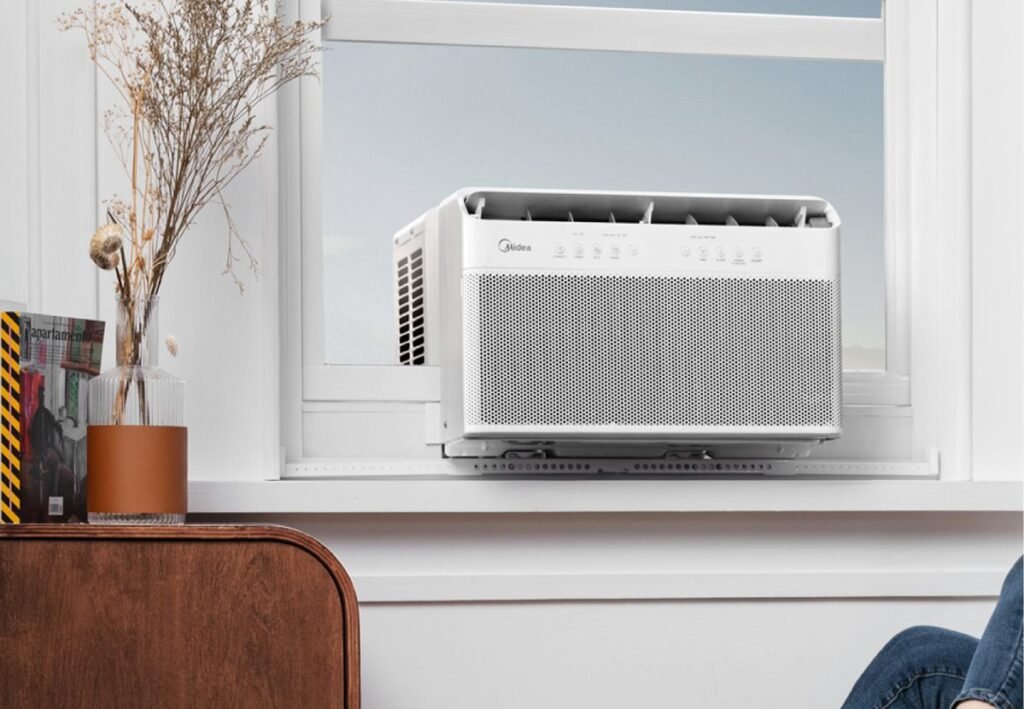
Water leakage in window AC units usually points to a blocked drain channel or improper tilt. When condensation cannot drain properly, it backs up and spills into places it shouldn’t.
What I didn’t realize was that standing water inside the unit can lead to mold growth, unpleasant odors, and even corrosion of internal parts.
The fix, in my case, was surprisingly simple. The drain holes were clogged with dirt and debris. Once cleaned, the water flowed out normally again. I also adjusted the installation angle slightly so that the unit tilted outward just enough for proper drainage.
Now I treat any sign of leakage as an early warning, not a minor inconvenience. It’s much easier to clear a blockage than to deal with long-term damage caused by moisture.
- Installation angle matters more than you think
When I first installed my window AC, I focused on fitting it securely. As long as it didn’t fall out, I considered the job done. What I overlooked was the angle.
A window AC should not sit perfectly flat. It needs a slight tilt towards the outside. This allows condensation water to drain away naturally.
For months, my unit was installed almost level. That small mistake caused recurring water issues, reduced efficiency, and occasional strange noises from inside the unit.
Once I corrected the tilt, multiple problems disappeared at once. Water stopped pooling, airflow improved slightly, and the unit felt more stable overall.
It’s one of those details that seems trivial during installation but makes a noticeable difference over time.
- Unusual noises are messages, not background sound
There was a phase when my AC started producing a faint rattling noise. It wasn’t loud enough to be alarming, so I ignored it. Over time, that faint noise turned into a louder vibration, and eventually, something inside came loose.
That repair cost me far more than it should have.
AC units are not supposed to make random noises. A consistent hum is normal. But rattling, buzzing, or clicking often signals loose screws, fan imbalance, or debris stuck inside.
What I learned is that small noises are early warnings. Addressing them early can prevent bigger failures.
Now, whenever I hear something unusual, I don’t wait. Sometimes it’s as simple as tightening screws or removing debris. Other times, it’s a sign to call a technician before things get worse.
Listening to your AC is a surprisingly effective maintenance habit.
- Overworking the unit shortens its life
During peak summer, I used to run my AC continuously for hours without a break. I believed that turning it off and on consumed more power, so I just let it run.
The result? Reduced cooling efficiency over time and increased wear on internal components.
Window AC units are designed to cycle on and off. Running them non-stop at the lowest temperature setting forces the compressor to work harder than necessary.
What changed things for me was learning to use moderate settings. Instead of setting the temperature extremely low, I keep it at a comfortable level. I also use timers and occasionally give the unit short breaks.
This not only reduces strain but also helps lower electricity bills.
It’s not about using the AC less—it’s about using it smarter.

- Annual servicing is not optional, it’s preventive care
For the longest time, I saw professional servicing as an unnecessary expense. If the AC was working, why spend money on it?
That mindset changed after a sudden breakdown right in the middle of a heatwave. The technician pointed out multiple issues that had been building up slowly—dirty coils, low refrigerant levels, minor electrical wear.
All of these could have been addressed earlier at a lower cost.
Annual servicing isn’t just about cleaning. It’s a comprehensive checkup that identifies potential problems before they turn into major failures.
Now I schedule servicing before summer begins. It gives me peace of mind knowing the unit is ready to handle the heat.
A few extra habits that made a difference
Beyond the main lessons, there are smaller habits that improved my AC’s performance over time. Keeping the area around the unit clean prevents dust from entering quickly. Using curtains during the day reduces heat load inside the room. Ensuring proper sealing around the window prevents cool air from escaping.
None of these are complicated, but together they make the AC’s job easier.
What maintenance really teaches you
Maintaining a window AC isn’t just about avoiding breakdowns. It’s about understanding how small neglects add up over time. Every clogged filter, every ignored noise, every postponed cleaning—it all contributes to a gradual decline.
The hard way of learning comes with inconvenience and cost. But it also leaves a lasting impression.
Now, instead of reacting to problems, I try to prevent them. And that shift has made all the difference.
Frequently Asked Questions
- How often should I clean my window AC filter?
Ideally, every two to three weeks during heavy usage. If your environment is dusty, you may need to clean it more frequently. - Can I clean AC coils myself?
You can do basic cleaning with a soft brush or coil cleaner spray, but deep cleaning is better handled by a professional to avoid damage. - Why is my window AC leaking water inside the room?
This usually happens due to clogged drain holes or incorrect installation angle. Cleaning the drainage path and adjusting the tilt often solves the issue. - What temperature setting is best for efficiency?
A moderate setting around 24–26°C is generally efficient. Extremely low settings force the compressor to work harder and increase power consumption. - Is annual servicing really necessary?
Yes, it helps identify hidden issues, improves efficiency, and extends the lifespan of your AC unit. - What are the signs that my AC needs maintenance?
Reduced cooling, unusual noises, higher electricity bills, weak airflow, and water leakage are all common warning signs.
In the end, the biggest lesson I learned is simple: a little attention goes a long way. A window AC doesn’t demand much—but it definitely notices when you ignore it.