
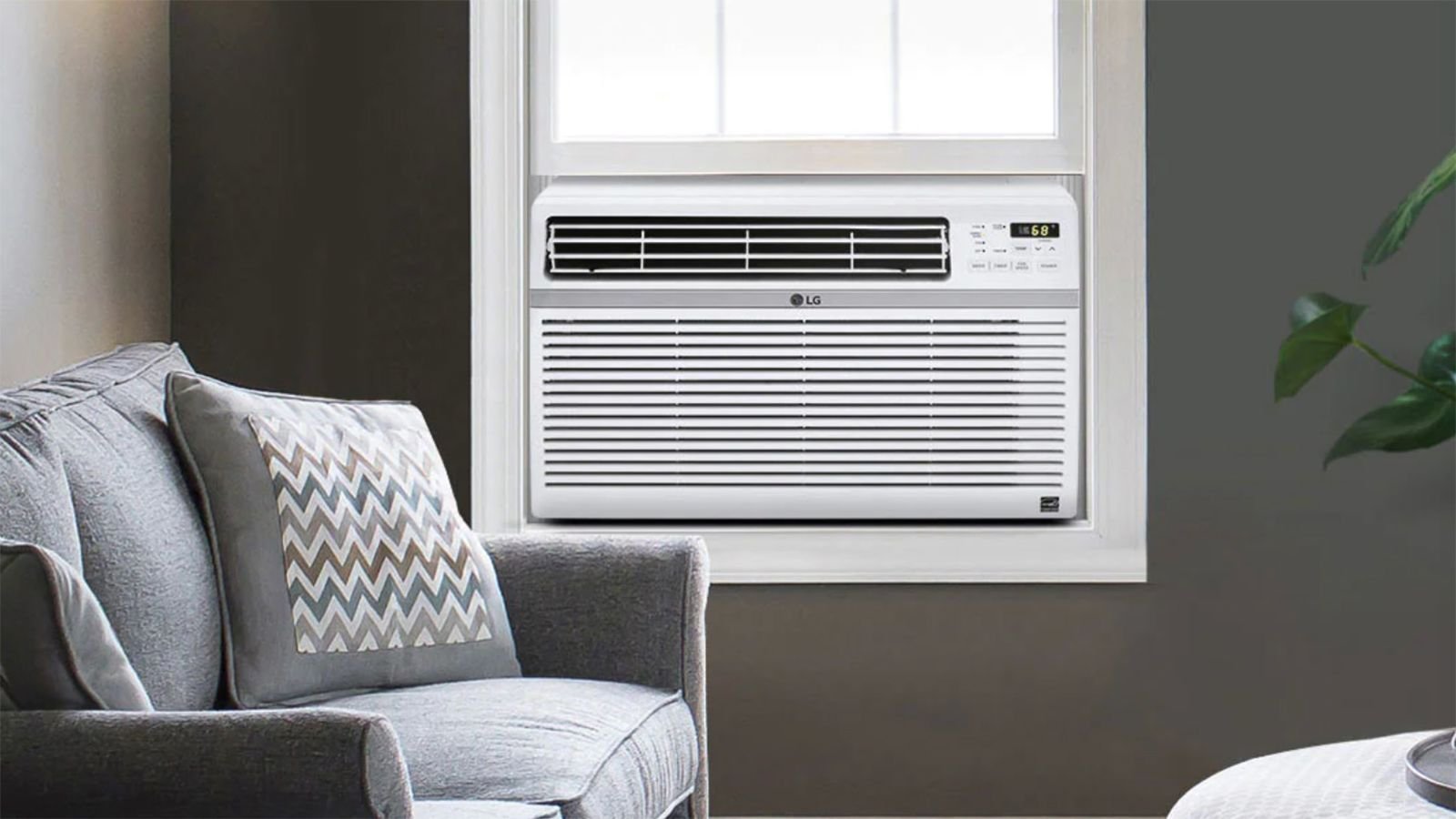
I still remember the summer I moved into my first apartment. I was so excited to install my brand-new window AC unit — pulled it out of the box, shoved it into the window, plugged it in, and called it a day. Three weeks later, my electricity bill was through the roof, my room still felt like a sauna, and water was dripping all over my windowsill. I had done everything “right” — or so I thought.
Turns out, I had done almost everything wrong.
If you’re setting up a window AC for the first time (or even the third time), this article might save you from the same painful, sweaty lessons I had to learn. These aren’t theoretical tips — these are actual mistakes I made, watched my neighbors make, and eventually figured out how to fix.
1. Picking the Wrong Window — And Paying for It All Summer
This was my first and probably most expensive mistake. I installed my AC in the window closest to the power outlet, which happened to face west — directly into the afternoon sun.
Here’s the thing: a window AC unit on the sunny side of your home works twice as hard because it’s constantly fighting the heat radiating from the sun. My unit was rated for a 300 sq ft room, but it felt like it was cooling a parking lot.
What I should have done:
- Choose a window on the shaded side of the house (north or east-facing is usually ideal)
- Avoid windows that get direct afternoon sun
- If you have no choice, use blackout curtains on the surrounding window area to reduce solar heat gain
The difference was noticeable the moment I moved it. Same unit, same room size — but the room actually got cold.
Window Placement Comparison Table
| Window Direction | Sun Exposure | AC Efficiency | Recommended? |
|---|---|---|---|
| North | Minimal | High | ✅ Best |
| East | Morning only | Good | ✅ Good |
| South | All day | Low | ⚠️ Acceptable |
| West | Afternoon peak | Very Low | ❌ Avoid |
2. Skipping the Tilt — And Watching Water Drip Inside
When I installed my first unit, I leveled it perfectly. Perfectly level. Completely flat. I even used a bubble level tool to make sure it sat evenly.
Big mistake.
Window AC units are designed to have a very slight backward tilt (toward the outside). This allows the condensate water — the moisture the unit pulls from your room’s air — to drain out the back and not into your room.
I figured this out when I noticed a small puddle forming on my floor under the unit. At first I thought it was a leak. Nope. It was just water pooling inside the unit and dripping forward because there was no tilt to guide it outward.
The fix is simple:
- Tilt the unit about ¼ inch to ½ inch toward the outside
- Most modern units have built-in tilt guides — read your manual
- Use a shim or foam weather strip under the front edge if needed
It’s a tiny adjustment that makes a huge difference. Once I tilted mine correctly, the dripping stopped completely within a day.
Check out this guide on 10 Easy Window AC Cleaning Maintenance Guide Fixes for Water Leakage — it covers this exact issue in much more detail.
3. Ignoring the BTU Size — Bigger Is NOT Always Better
A lot of people, including me initially, think “more BTUs = more cooling = better.” So when I had to replace my first unit, I bought the biggest one I could afford for my 200 sq ft bedroom.
What happened? The room cooled down in about 8 minutes… and then the AC shut off. Then it turned back on. Then off again. This is called “short cycling,” and it’s genuinely bad for the unit and terrible for your electricity bill.
An oversized AC cools the air too fast without actually removing enough humidity. So the room feels cold but sticky and damp. Not comfortable at all.
BTU Guide for Room Size:
| Room Size (sq ft) | Recommended BTU |
|---|---|
| Up to 150 | 5,000 BTU |
| 150–250 | 6,000 BTU |
| 250–350 | 8,000 BTU |
| 350–450 | 10,000 BTU |
| 450–550 | 12,000 BTU |
| 550–700 | 14,000 BTU |
Also factor in:
- High ceilings? Add 10% more BTU
- Lots of sunlight? Add 10% more
- Shaded room? Subtract 10%
- More than two people regularly in the room? Add 600 BTU per person
Getting this right the first time saves you money every single month.
4. Poor Sealing Around the Unit — A Gap That Drains Your Wallet
After I installed my AC, I noticed bugs coming in. Then I felt warm air seeping in around the sides. The foam accordion panels that come with most window AC units? I hadn’t expanded them fully or secured them properly.
Most window AC kits include foam side panels and sometimes a foam strip for the top. These are not decorative — they are critical for energy efficiency. Every gap around your unit is a pathway for:
- Hot outside air to sneak in
- Cool air inside to escape
- Bugs, dust, and humidity to enter
- Your electricity costs to climb
How to seal it properly:
- Fully extend the side panels and screw or tape them into the window frame
- Use self-adhesive foam weatherstripping tape along any gaps (available at any hardware store for a dollar or two)
- For larger gaps, use foam backer rod or even rolled-up cloth temporarily
- In winter, use an AC cover or remove the unit entirely to prevent cold drafts
I bought a roll of foam weatherstripping tape from a local hardware store — it cost less than 200 rupees and made an immediate difference in how cool the room got and how long the AC stayed off between cycles.
For more setup tips that are easy to follow, 7 Smart Window AC Installation Tips for Perfect Cooling breaks down the full installation process step by step.
5. Setting the Thermostat Too Low From the Start
I used to walk into a hot room, crank the AC to the lowest setting (16°C or 61°F), and think this would cool the room faster. It doesn’t. That’s not how AC works.
A window AC doesn’t blow colder air just because you set a lower temperature. It runs at the same compressor speed regardless. Setting it lower just means it runs longer before shutting off — which wastes electricity and stresses the compressor.
The ideal strategy is:
- Set the temperature to around 24°C–26°C (75°F–78°F) when you walk in
- Let the room cool down to a comfortable level
- Adjust down by 1–2 degrees if you still feel warm
- Use “Fan Only” mode or a lower fan speed once the room is at your target temperature
A programmable timer is also a game-changer. Set it to turn on 30 minutes before you get home so the room is already comfortable when you arrive. Many modern window units come with a built-in timer; if yours doesn’t, a simple plug-in smart outlet timer works perfectly.
Energy Use vs Temperature Setting (Approximate)
| Temperature Setting | Relative Energy Use | Comfort Level |
|---|---|---|
| 16°C (61°F) | Very High | Cold/Uncomfortable |
| 20°C (68°F) | High | Cool |
| 24°C (75°F) | Moderate | Comfortable ✅ |
| 26°C (78°F) | Low | Warm but okay |
| 28°C (82°F) | Very Low | Barely cooling |
The sweet spot for most people — and most electricity bills — is 24°C to 26°C. Once I stopped setting mine to the lowest possible temperature and used a target range instead, my monthly bill dropped noticeably.
6. Never Cleaning It — And Then Wondering Why It Smelled Weird
This one embarrasses me a little. For the first full summer I owned my window AC, I never once cleaned the filter. Not even once. By the end of the season, the air coming out had a faint musty smell, the cooling was noticeably weaker, and the unit was running almost constantly.
Dirty filters are probably the number one reason window ACs underperform. A clogged filter blocks airflow, which means:
- Less cool air reaching the room
- The unit works harder and uses more electricity
- Moisture gets trapped and mold can start growing
- Bad smells circulate through your home
A simple cleaning schedule that actually works:
- Every 2 weeks: Remove the front panel and rinse the filter under running water. Let it dry completely before reinserting.
- Every 1–2 months: Wipe down the coils with a soft brush or vacuum with a brush attachment. Clean the drain pan if accessible.
- Once a season: Do a full deep clean — wash the casing, check for mold around the vents, and make sure the drainage holes aren’t blocked.
It takes maybe 15 minutes every two weeks. That’s it. The difference in air quality and cooling performance is remarkable once you get into this habit.
If you want a full walkthrough on keeping your unit spotless, 9 Smart Window AC Cleaning Tricks to Boost Cooling has you covered with easy, practical steps anyone can follow.
A Quick Look at How These Mistakes Add Up
Here’s something worth visualizing — how each of these mistakes individually affects your cooling performance and electricity costs:
Impact of Each Mistake on Performance & Cost
| Mistake | Cooling Impact | Cost Impact |
|---|---|---|
| Wrong window placement | High (up to 30% less efficient) | High |
| No backward tilt | Medium (water damage risk) | Medium |
| Wrong BTU size | High (short cycling or insufficient cooling) | High |
| Poor sealing | High (constant heat infiltration) | High |
| Wrong thermostat use | Medium (unnecessary runtime) | Medium-High |
| Never cleaning filter | High (reduced airflow, mold risk) | High |
Every single one of these is fixable in an afternoon. And fixing even two or three of them can make a real, tangible difference — not just in comfort, but in your electricity bill at the end of the month.
Final Thoughts
Setting up a window AC properly isn’t complicated, but it’s also not as simple as “plug it in and press power.” The small details — the tilt, the sealing, the placement, the BTU match — add up to either a unit that quietly and efficiently keeps you cool all summer, or one that runs constantly, smells musty, and sends your electricity bill into panic territory.
I learned all of this the hard way over a couple of sweaty summers. You don’t have to.
Take 30 minutes before your next installation to go through this list, and you’ll be genuinely shocked at the difference it makes. A well-set-up window AC in a properly sealed, correctly sized room can make even the hottest days feel manageable.
Also read: 9 Common Window AC Installation Mistakes to Avoid Today — a detailed breakdown of what most people get wrong right from the start.
Frequently Asked Questions
Q1: How do I know if my window AC is the right size for my room?
The basic rule is around 20 BTU per square foot of floor space. So a 300 sq ft room needs roughly a 6,000 BTU unit. Adjust upward for high ceilings, lots of sunlight, or if multiple people use the room regularly. Going too big causes short cycling; going too small means the unit never adequately cools the space.
Q2: How much should I tilt my window AC unit backward?
A tilt of about ¼ inch to ½ inch toward the outside is standard. Some units have a built-in slight tilt in their design, so check your manual first. The goal is just enough of an angle for condensation water to drain out the back instead of pooling inside or dripping into your room.
Q3: What’s the best temperature to set my window AC to save electricity?
Most energy experts recommend 24°C to 26°C (around 75°F to 78°F) as the sweet spot. It’s comfortable for most people and doesn’t push the unit to run continuously. Every degree lower than 24°C can add noticeable cost to your electricity bill over a full season.
Q4: How often should I clean my window AC filter?
Every two weeks during active use is ideal, especially if you’re in a dusty environment or run the unit daily. A quick rinse under water and air drying takes about 10–15 minutes. Do a deeper clean of the coils and drain pan once a month or at minimum once per season.
Q5: Can I use a window AC in a room with no direct window — like using a sliding door?
Technically yes, but it requires a special sliding door kit or a portable AC unit instead. Standard window units are designed for double-hung or single-hung windows. For sliding doors or casement windows, you’d need to look into purpose-built solutions or a vented portable unit. Using a window unit incorrectly in a non-standard opening can compromise both safety and performance.