9 Powerful Window AC Troubleshooting Tricks You Need
Introduction
Window air conditioners are still one of the most common cooling solutions in homes, especially in warm regions where summers become extreme and unbearable. They are simple, affordable, and effective—but only when they are working properly. The problem is that like any machine, a window AC can develop issues over time. Sometimes it stops cooling, sometimes it makes unusual noise, and other times it may refuse to turn on at all.
Most people immediately assume the worst when their AC starts acting up and call a technician. While professional help is sometimes necessary, the truth is that many common window AC problems can be diagnosed and fixed at home with a few simple troubleshooting tricks. Understanding these tricks not only saves money but also helps you extend the life of your cooling system.
This article walks you through nine powerful troubleshooting techniques that actually work in real-life situations. Each method is practical, beginner-friendly, and focused on solving the most common window AC issues without complicated tools.
- Check the power supply before anything else
One of the most overlooked causes of a non-working window AC is a simple power issue. Many people panic when the AC doesn’t turn on, but the problem often lies in the basics.
Start by checking whether the plug is securely inserted into the socket. A loose plug can interrupt the power flow. Next, inspect the power outlet itself by plugging in another device like a phone charger or lamp. If that device also doesn’t work, the issue is with the outlet, not the AC.
You should also check the circuit breaker or fuse box. In many homes, especially older wiring systems, the breaker may trip due to overload. Resetting it may restore power instantly.
Another small but important detail is the extension board. If you are using one, make sure it is rated for heavy appliances. Window ACs require stable power and cheap extension boards can easily fail or cause interruptions.
- Clean or replace dirty air filters
Dirty filters are one of the most common reasons a window AC stops cooling effectively. Over time, dust, dirt, and even grease from cooking accumulate on the filter mesh, blocking airflow.
When airflow is restricted, the AC has to work harder to push air through, which reduces cooling efficiency and increases electricity consumption. In extreme cases, it may even freeze the cooling coil.
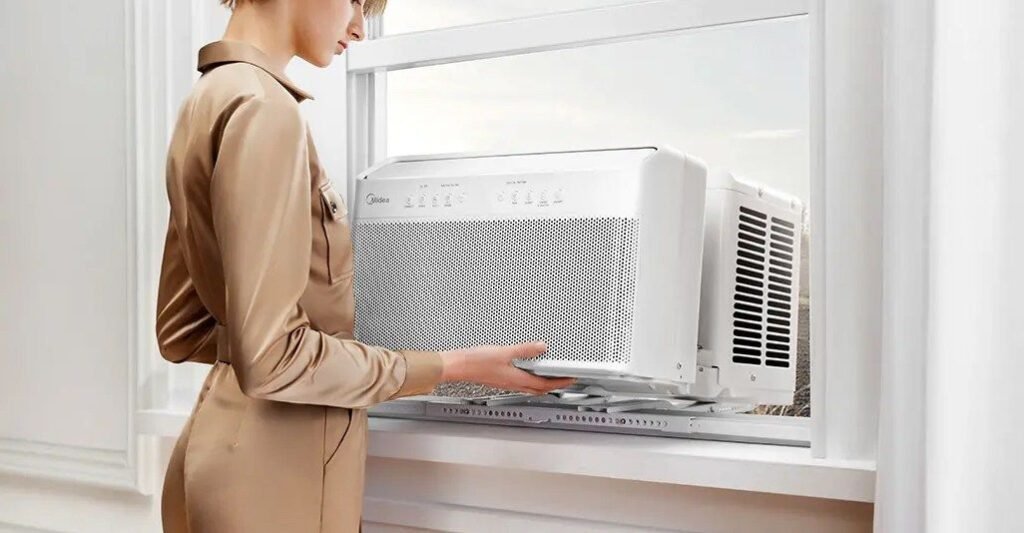
To fix this, remove the front panel of the AC and gently take out the filter. Wash it with mild soap and water. Let it dry completely before reinstalling it. If the filter is too old or damaged, replacing it is a better option.
A clean filter not only improves cooling but also helps maintain healthier indoor air quality.
- Inspect thermostat settings and temperature control
Sometimes the issue is not a fault but incorrect settings. Many users accidentally set the thermostat too high or switch the mode without realizing it.
Make sure the AC is set to “cool” mode and not “fan” or “dry” mode. Then check the temperature setting. If it is set close to room temperature, the AC will not cool effectively.
A good rule of thumb is to set the temperature between 24°C and 26°C for balanced cooling and energy efficiency. Setting it too low can overload the compressor and increase electricity bills.
If your AC has a mechanical knob instead of a digital display, ensure it is not stuck or damaged.
- Examine airflow blockage inside and outside the unit
Proper airflow is essential for efficient cooling. If airflow is blocked either inside the room or outside the unit, the AC cannot function properly.
Inside the room, check if curtains, furniture, or objects are blocking the AC vents. Even partial obstruction can reduce cooling efficiency.
Outside the window, inspect the external part of the AC. Dust, leaves, and debris can accumulate around the condenser, restricting heat release. When heat cannot escape properly, cooling performance drops significantly.
Carefully clean the external fins using a soft brush or compressed air if available. Avoid using sharp objects as they can damage the delicate fins.
- Look for ice formation on the cooling coils
If your window AC is running but not cooling, ice formation may be the issue. This happens when airflow is restricted or refrigerant levels are low.
Open the front panel and check if there is visible ice on the coils. If ice is present, turn off the AC immediately and let it thaw for a few hours.
Running the AC while it is iced up can damage internal components. After thawing, clean the filter and ensure proper airflow before restarting.
If icing happens repeatedly, it may indicate a deeper issue like low gas levels or a faulty thermostat, which requires professional servicing.
- Check for unusual noise and vibration sources
Window AC units naturally produce some noise, but sudden changes in sound can indicate a problem. Rattling, buzzing, or grinding noises should not be ignored.
Loose screws or an improperly installed unit can cause vibration noise. Tightening the mounting frame often solves the issue.
If the noise is coming from inside the unit, it could be due to a damaged fan blade or debris stuck in the fan. In such cases, switching off the AC and inspecting it carefully is important.
Continuous loud humming may also indicate compressor strain, which should be addressed by a technician.
- Inspect water leakage issues carefully
Water dripping from a window AC is another common problem. In many cases, it is caused by a blocked drain pipe.
The AC removes humidity from the air, and this water needs a clear exit path. If the drainage system is blocked by dirt or algae, water starts leaking inside the room.
To fix this, locate the drain hole and gently clean it using a thin wire or pipe cleaner. Make sure the unit is slightly tilted outward so water flows outside naturally.
Excessive leakage, however, may indicate frozen coils or improper installation.
- Evaluate compressor performance and cycling behavior
The compressor is the heart of the window AC. If it is not functioning properly, cooling will be weak or inconsistent.
A healthy compressor runs in cycles—it turns on, cools the room, and then shuts off temporarily. If it is turning on and off too quickly, it may be short cycling, which reduces efficiency.
This can happen due to voltage fluctuations, dirty coils, or thermostat issues. Using a voltage stabilizer can help in areas with unstable electricity supply.
If the compressor does not turn on at all, it is best to call a technician.
- Check refrigerant levels and cooling gas issues
Low refrigerant gas is one of the more serious issues affecting cooling performance. Unlike filters or settings, this cannot be fixed at home easily.
If your AC is running but producing warm air, or if cooling has reduced significantly over time, low gas might be the reason.
Refrigerant leaks require professional repair, as technicians need to seal leaks and refill the gas safely. Ignoring this issue can permanently damage the compressor.
Preventive maintenance tips for long-term performance
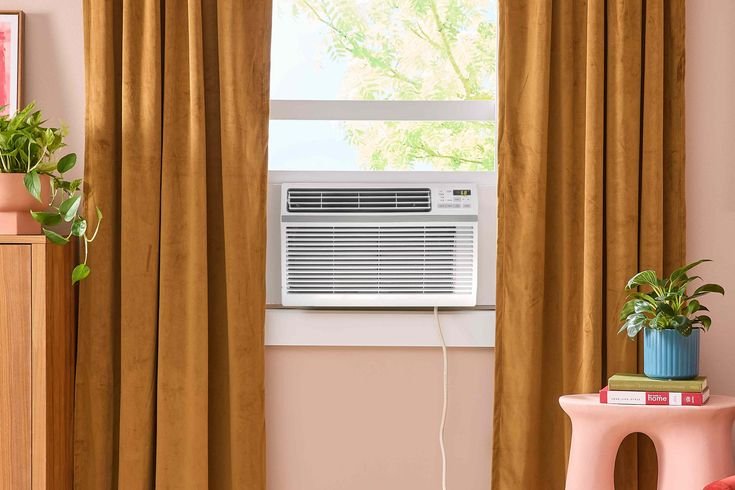
Keeping a window AC in good condition is easier than fixing it repeatedly. Regular cleaning, proper usage habits, and seasonal servicing can make a big difference.
Clean filters every two weeks during heavy use seasons. Ensure proper ventilation around the unit. Avoid overloading electrical circuits. And schedule at least one professional service before summer starts.
Small habits can significantly improve efficiency and reduce electricity bills.
Conclusion
Window AC troubleshooting does not always require technical expertise. Many common problems can be solved with simple observation and basic maintenance. From checking power supply and cleaning filters to inspecting airflow and drainage, these nine troubleshooting tricks cover the most frequent issues users face.
By understanding how your AC behaves and responding early to warning signs, you can avoid expensive repairs and keep your cooling system running efficiently throughout the summer.
FAQs
- Why is my window AC running but not cooling the room?
This usually happens due to dirty filters, incorrect temperature settings, or low refrigerant levels. - How often should I clean my window AC filter?
Every two weeks during peak summer use is recommended for best performance. - What causes a window AC to leak water inside the room?
A blocked drain pipe or improper unit tilt is the most common cause. - Why does my AC freeze up even in hot weather?
Restricted airflow or low refrigerant levels can cause ice formation on the coils. - Can I run my window AC 24/7 safely?
Yes, but it should be properly maintained and cleaned regularly to avoid strain. - When should I call a technician instead of troubleshooting myself?
If the compressor fails, refrigerant leaks occur, or electrical issues persist, professional help is necessary.