
10 Smart Window AC Troubleshooting Fixes for Common Problems
Window air conditioners are still one of the most widely used cooling solutions in homes, small offices, and rented spaces. They are affordable, relatively easy to install, and effective when working properly. However, like any appliance that runs under pressure during hot seasons, a window AC can develop issues that reduce cooling performance, increase electricity bills, or even stop working altogether.
The good news is that most common problems do not require expensive repairs or replacement. In many cases, a few smart troubleshooting steps can restore performance quickly. This guide walks through 10 practical fixes that solve the most frequent window AC issues people face in everyday use.
- Check and clean the air filter for instant cooling improvement
One of the most overlooked reasons a window AC stops cooling effectively is a clogged air filter. Over time, dust, dirt, pet hair, and airborne particles accumulate on the filter, blocking airflow. When airflow is restricted, the system struggles to circulate cool air into the room.
A dirty filter can cause weak cooling, ice formation on coils, or even overheating of the compressor.
How to fix it:
Remove the front panel of your window AC and take out the air filter. Wash it gently using lukewarm water. If it is heavily clogged, use a mild detergent. Let it dry completely before reinstalling.
When to do it:
Ideally every 2–3 weeks during heavy usage seasons.
Why it matters:
A clean filter alone can improve cooling efficiency by up to 15–20% in many units and reduce unnecessary strain on the system.
- Inspect thermostat settings and calibration issues
Sometimes the problem is not the AC itself but incorrect thermostat settings. Users often unknowingly set the temperature too high or place the AC in energy-saving mode without realizing its impact.
In some cases, the thermostat sensor may not be reading room temperature correctly due to dust buildup or poor placement.
How to fix it:
Set the temperature between 24°C and 26°C for balanced cooling and energy savings. Make sure the thermostat sensor is not blocked by curtains or furniture. If your AC has a remote or digital control, reset it once to clear incorrect settings.
Extra tip:
If the AC runs continuously without shutting off, the thermostat sensor might be faulty or misaligned.
- Clean dirty condenser coils for stronger cooling output
The condenser coils are responsible for releasing heat outside the room. When these coils become dirty, heat transfer becomes inefficient, and the AC struggles to cool properly.
This issue is especially common in dusty environments or homes near roads or construction areas.
How to fix it:
Switch off and unplug the AC. Remove the outer cover and gently clean the condenser coils using a soft brush or vacuum cleaner. Avoid bending the fins.
When to seek help:
If the coils are heavily clogged with grease or hard dirt buildup, a professional deep cleaning may be required.
Result:
Clean condenser coils help restore normal cooling cycles and reduce compressor load.

- Fix water leakage problems before they worsen
Water dripping from a window AC is a common issue and often ignored until it becomes severe. This usually happens due to a blocked drainage system or improper installation angle.
How to fix it:
Check the drainage pipe and remove any blockage using a thin wire or compressed air. Make sure the AC is slightly tilted backward so water flows outside instead of inside the room.
Common mistake:
Installing the unit completely level or tilted inward leads to water leakage inside the room.
Prevention tip:
Clean the drain tray regularly during peak usage months.
- Address unusual noise from the unit
If your window AC starts making rattling, buzzing, or grinding sounds, it usually indicates a mechanical issue. Loose screws, debris inside the fan, or worn-out motor bearings are common causes.
How to fix it:
Turn off the unit and check for loose panels or screws. Tighten them if needed. Inspect the fan blades for any obstruction such as leaves or dust buildup.
If noise continues:
The motor or fan bearings may need lubrication or replacement, which should be handled by a technician.
Why it matters:
Ignoring unusual noise can lead to major mechanical failure over time.
- Resolve weak airflow issues quickly
Weak airflow makes the AC feel like it is running but not cooling the room effectively. This is usually caused by blocked filters, dirty blower fans, or obstructions in air vents.
How to fix it:
Start by cleaning the air filter. Then check the blower fan inside the unit for dust buildup. Ensure curtains, furniture, or walls are not blocking the airflow path.
Additional tip:
Using ceiling fans along with AC helps circulate cool air more evenly.
- Check refrigerant level if cooling is insufficient
If your AC is running but not cooling at all, low refrigerant might be the reason. Refrigerant is the chemical responsible for absorbing heat from indoor air.
Signs of low refrigerant:
Weak cooling, long cooling cycles, or ice formation on coils.
How to fix it:
Refrigerant issues cannot be fixed at home. A certified technician must check for leaks, repair them, and refill the gas.
Important note:
Frequent refrigerant loss indicates a leak that must be repaired permanently.
- Reset the circuit breaker and electrical connections
Sometimes the issue is not mechanical but electrical. A tripped breaker, loose plug, or damaged power cord can stop the AC from functioning properly.
How to fix it:
Check your home’s circuit breaker panel and reset it if tripped. Inspect the plug and socket for burn marks or looseness. Try plugging the AC into a different outlet if necessary.
Safety warning:
Never use damaged extension cords with a window AC.
- Fix ice formation on evaporator coils
Ice buildup inside the AC is a sign of poor airflow or low refrigerant. When ice forms, cooling performance drops significantly.
How to fix it:
Turn off the AC and let the ice melt completely. Clean the air filter and ensure proper airflow. If ice returns quickly, it may indicate a refrigerant or fan issue.
Prevention:
Regular maintenance and cleaning help avoid freezing issues.
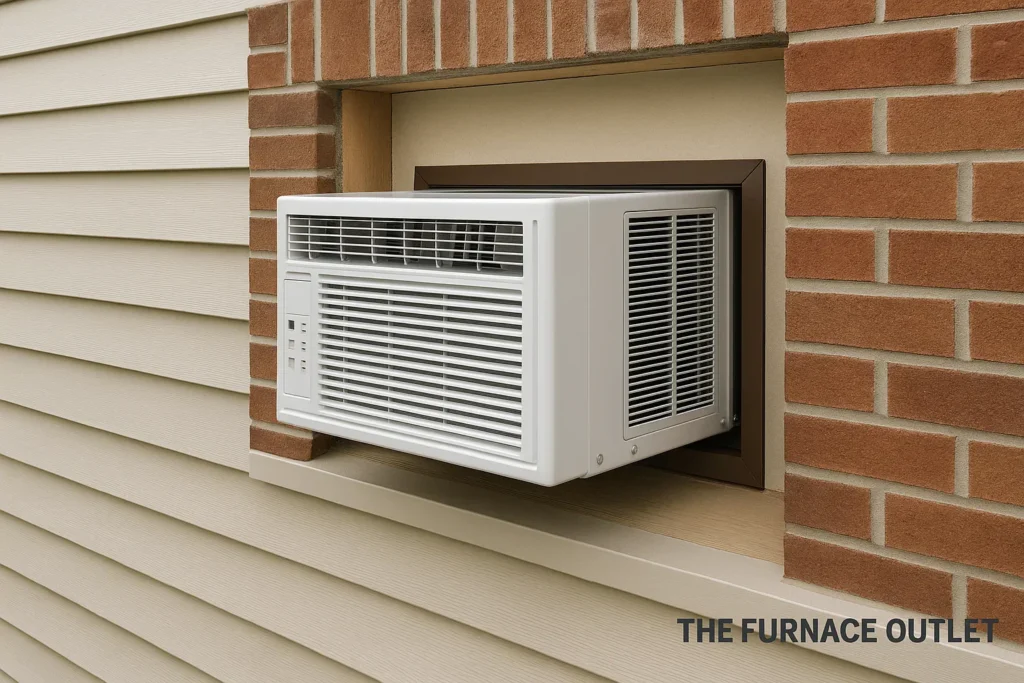
- Ensure proper installation and sealing of the unit
Many people overlook installation quality, but it plays a huge role in AC performance. If the unit is not sealed properly, hot air from outside leaks into the room, reducing efficiency.
How to fix it:
Check gaps around the AC frame. Seal them using foam insulation or weather stripping. Ensure the unit is firmly supported and slightly tilted outward for drainage.
Result:
Proper installation improves cooling speed and reduces energy consumption.
Final thoughts
Most window AC problems are not as complicated as they seem. In many cases, simple maintenance tasks like cleaning filters, checking airflow, or correcting installation issues can restore full performance. Regular attention not only improves cooling but also extends the lifespan of the unit and reduces electricity bills.
A window AC works best when airflow is unrestricted, coils are clean, and electrical components are stable. By following these troubleshooting steps, you can solve most everyday issues without expensive repairs.
FAQs
Q1: Why is my window AC running but not cooling the room?
This usually happens due to dirty filters, low refrigerant, or blocked airflow. Start with cleaning the filter and checking airflow before calling a technician.
Q2: How often should I service my window AC?
A full service is recommended once a year, while basic cleaning like filters should be done every 2–3 weeks during summer.
Q3: Why does my AC freeze up during operation?
Ice formation is usually caused by poor airflow or low refrigerant levels. Turn it off and check filters and coils first.
Q4: Can I clean AC coils myself?
Yes, light dust cleaning can be done at home using a soft brush, but deep cleaning should be handled carefully to avoid damaging fins.
Q5: Why is my window AC making noise?
Noise usually comes from loose parts, fan obstruction, or motor issues. Tightening screws and cleaning debris often helps.
Q6: What temperature is best for a window AC?
A range of 24°C to 26°C is ideal for comfort, energy efficiency, and reducing strain on the compressor.