4 Window AC Energy Saving Lessons I Learned the Hard Way
There’s something oddly humbling about receiving a high electricity bill after a month of thinking you were “being careful.” I still remember the day I opened mine. It didn’t just surprise me—it annoyed me. I had been turning off lights, using fans, and even unplugging devices. But the one thing I hadn’t truly understood was how much my window air conditioner was quietly consuming.
That moment turned into a slow, sometimes frustrating journey of trial, error, and eventually understanding. What follows isn’t a list copied from manuals or generic advice. These are lessons I learned the hard way—through discomfort, wasted money, and a few avoidable mistakes.
Each lesson changed how I use my window AC, and together they made a noticeable difference—not just in bills, but in comfort and peace of mind.
lesson one: running it longer doesn’t always cool better
For the longest time, I believed that if a room wasn’t cooling fast enough, the answer was simple: keep the AC running longer. It seemed logical. More runtime should equal more cooling, right?
Wrong.
One of the first mistakes I made was setting the temperature extremely low, thinking it would force the unit to cool faster. I’d set it to the lowest possible setting and let it run for hours. The result? The room would eventually get cold, but not efficiently. The AC would work harder than necessary, consume more electricity, and sometimes even leave the air feeling oddly damp.
What I didn’t understand then was how a window AC actually operates. It doesn’t cool faster just because you set a lower temperature. It cools at a fixed rate. Setting a lower temperature simply means it will run longer before shutting off.
The turning point came when I experimented. Instead of setting it to an extreme low, I tried a moderate setting and paid attention. I also started turning it off once the room felt comfortable rather than waiting for it to feel “cold.”
The difference was subtle at first but became obvious over time. The room stayed comfortable, the AC cycled more naturally, and the electricity bill reflected the change.
The lesson here wasn’t just about temperature settings. It was about understanding that more isn’t always better. Efficiency often comes from balance, not excess.
lesson two: a closed room isn’t always a sealed room
I used to think that closing the door and windows meant the cool air would stay inside. It sounds obvious, but that assumption cost me more than I’d like to admit.
One evening, I noticed something strange. The AC had been running for over an hour, yet the room still didn’t feel as cool as it should. I checked the settings, cleaned the filter, and even wondered if the unit was faulty.
Then I placed my hand near the edges of the window where the AC was installed.
Warm air was slipping in.
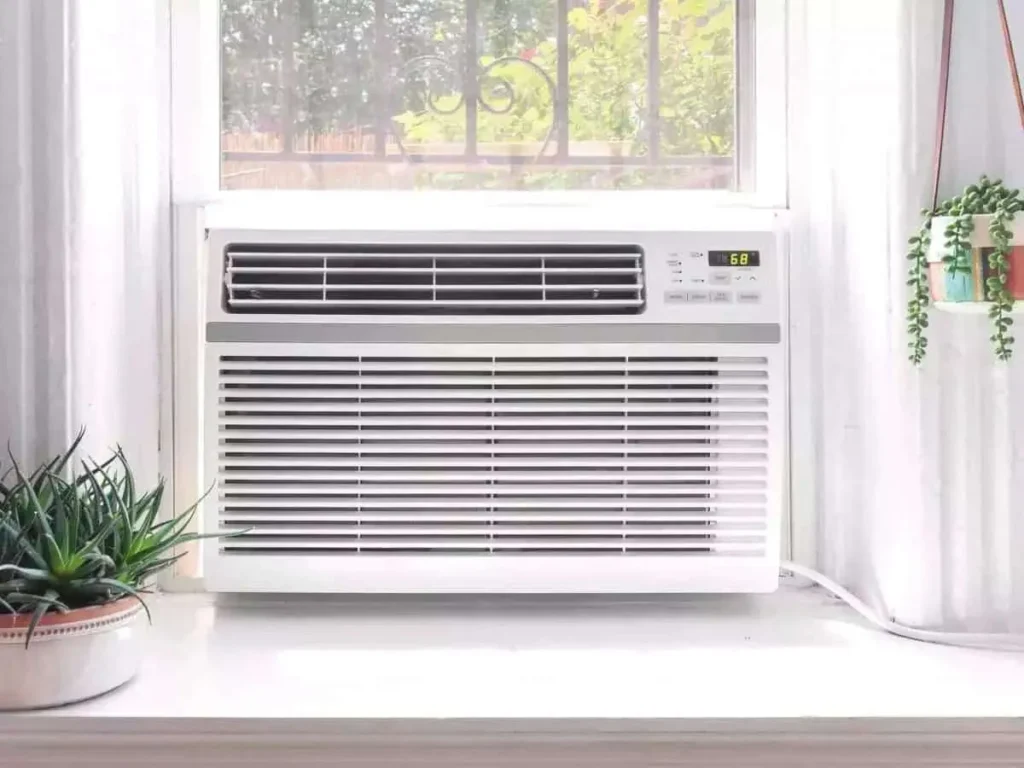
It wasn’t dramatic—you couldn’t feel a strong draft—but it was enough. Tiny gaps around the unit, poorly sealed edges, and even slight openings in the window frame were letting outside air creep in. At the same time, cool air was escaping.
That discovery changed everything.
I spent an afternoon sealing those gaps with simple materials—foam strips, tape, anything that could block the airflow. It wasn’t perfect, but it made a difference.
The next time I turned on the AC, the room cooled faster and stayed cooler for longer. The unit didn’t have to work as hard, and the comfort level improved noticeably.
This experience taught me that energy efficiency isn’t just about the appliance—it’s about the environment around it. A small leak can undo all your efforts without you even realizing it.
lesson three: maintenance is not optional
I used to delay cleaning the AC filter. Not because I didn’t know it was important, but because it didn’t feel urgent. The AC was still running, after all. It was still blowing air. So I’d tell myself, “I’ll clean it next week.”
Next week often turned into next month.
Over time, I noticed a pattern. The airflow seemed weaker. The cooling felt less effective. The AC sounded louder than usual.
But I ignored it—until one particularly hot day when the unit seemed to struggle even during moderate use.
That’s when I finally removed the filter.
It was covered in dust.
Cleaning it was surprisingly easy, but the impact was immediate. The airflow improved, the cooling felt stronger, and the noise reduced.
What surprised me most was how much energy I had likely wasted during those weeks of neglect. A dirty filter forces the AC to work harder, which means more electricity consumption and more wear on the unit.
Since then, maintenance became part of my routine. Not just cleaning the filter, but also checking for dust buildup around vents and ensuring nothing blocks the airflow.
It’s one of those things that seems small but has a big impact. Ignoring it doesn’t just reduce efficiency—it slowly increases your costs without you noticing.
lesson four: timing matters more than you think
There was a time when I’d turn on the AC only when the room became unbearably hot. It felt like the responsible thing to do—avoid using it until absolutely necessary.
But this approach had a flaw.
By the time I turned on the AC, the room had already absorbed a significant amount of heat. The walls, furniture, and even the air itself were warm. Cooling it down took longer and required more energy.
It was like trying to cool an oven after it had been running all day.
Eventually, I tried a different approach. Instead of waiting for extreme heat, I turned on the AC earlier, when the room was still relatively warm but not overheated.
The difference was clear.
The AC reached the desired temperature faster, didn’t have to run as long, and maintained the comfort level more easily. It felt less like a battle against heat and more like a controlled environment.
Timing also extended to how I used other elements in the room. Closing curtains during peak sunlight hours, using fans to circulate air, and even adjusting daily routines made a difference.
This lesson taught me that energy saving isn’t just about reducing usage—it’s about using things at the right time.
the emotional side of energy waste
One thing I didn’t expect from this journey was how it would change my mindset. At first, it was all about saving money. But over time, it became something else.
I started noticing patterns—how small habits added up, how convenience often led to waste, and how a bit of awareness could make a big difference.
There’s a certain satisfaction in knowing that your home is running efficiently. Not in a technical sense, but in a practical, everyday way.
It’s not about perfection. There were still days when I forgot, when I ran the AC longer than needed, or when I delayed maintenance again. But those moments became exceptions rather than the norm.
practical adjustments that made a difference
Along the way, I made a series of small changes that complemented these lessons. None of them were revolutionary, but together they created a noticeable impact.
I started using a fan alongside the AC, which helped distribute cool air more evenly. This meant I could set the AC to a slightly higher temperature without sacrificing comfort.
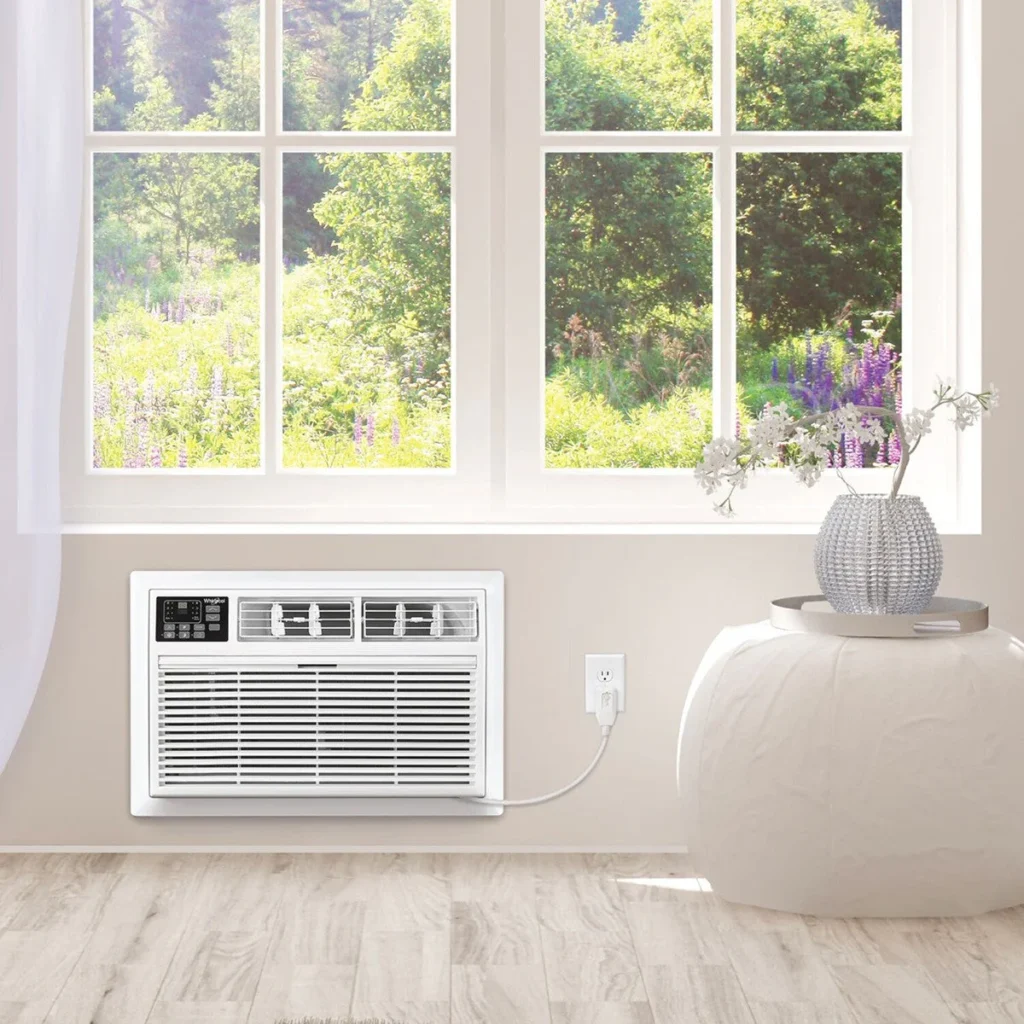
I paid attention to the placement of furniture, ensuring nothing blocked the airflow. Even a small obstruction can reduce efficiency.
I also became more mindful of daily habits—like not opening the door frequently while the AC was running, or avoiding heat-generating activities during peak cooling times.
These adjustments didn’t require significant effort, but they reinforced the core lessons I had learned.
why these lessons stick
What makes these lessons memorable isn’t just the results—it’s the process of learning them.
Each mistake had a consequence. Each adjustment had a visible effect. And each improvement felt earned rather than assumed.
It’s easy to read tips and forget them. It’s harder to forget something you’ve experienced firsthand.
That’s why these lessons stayed with me. They weren’t just instructions—they were realizations.
looking back
If I could go back, I’d tell myself that efficiency isn’t complicated, but it does require attention.
I’d say that understanding how something works is often more valuable than trying to control it.
And I’d probably remind myself that comfort and savings don’t have to be opposites. With the right approach, they can go hand in hand.
But then again, learning the hard way has its own value. It turns abstract advice into something real.
And sometimes, that’s exactly what makes the difference.
frequently asked questions
- what is the ideal temperature setting for saving energy with a window AC?
A moderate setting, usually around 24–26°C, works best for balancing comfort and efficiency. Extremely low settings don’t cool faster; they just make the AC run longer and consume more power. - how often should I clean the AC filter?
Ideally, every two to four weeks during regular use. If the environment is dusty, cleaning it more frequently can help maintain efficiency and airflow. - does using a fan with the AC really save energy?
Yes, a fan helps circulate cool air more evenly, allowing you to set the AC at a higher temperature while maintaining comfort. This reduces overall energy consumption. - can small gaps around the AC really affect performance?
Absolutely. Even minor air leaks can let warm air in and cool air out, forcing the AC to work harder and use more electricity. - is it better to keep the AC running all day or turn it on when needed?
It’s more efficient to use it strategically. Turning it on before the room gets too hot can reduce the workload, but running it unnecessarily all day wastes energy. - why does my AC feel less effective over time?
Common reasons include dirty filters, blocked airflow, or minor installation issues. Regular maintenance and checking for obstructions usually resolve the problem.