7 Smart Window AC Energy Saving Tips That Cut Bills Fast
There is something quietly frustrating about watching your electricity bill climb during the hot months. You run your window air conditioner just to stay comfortable, yet every hour of cool air seems to carry a hidden cost. Over time, that cost builds up, and suddenly you’re left wondering if comfort always has to come with such a heavy price.
The truth is, most people don’t need to sacrifice comfort to save money. What they need instead is a smarter way to use what they already have. A window AC unit, despite its simple design, can be surprisingly efficient if handled with care. Small adjustments—often overlooked—can create a noticeable difference in both performance and energy consumption.
This isn’t about complicated upgrades or expensive replacements. It’s about understanding how your unit behaves and using that knowledge to your advantage. These seven smart tips are practical, easy to follow, and rooted in everyday habits that can reduce your bills faster than you might expect.
understanding how your window AC really uses energy
Before jumping into the tips, it helps to understand what actually drives energy usage in a window AC. Most of the power goes into the compressor, which works hardest when the room is warm or when cooled air escapes. If your room constantly leaks cool air or heats up quickly, your AC has no choice but to run longer and harder.
This means that energy saving isn’t just about the machine—it’s about the environment around it. The room, the airflow, insulation, sunlight, and even your daily habits all play a role. Once you begin to see your AC as part of a system rather than a standalone device, saving energy becomes far easier.
tip 1: seal the gaps and stop cool air from escaping
One of the most common and expensive mistakes is ignoring small gaps around the AC unit. Window air conditioners are rarely installed perfectly airtight. Even a small opening can let warm air in and cooled air out, forcing the unit to work overtime.
Take a close look at the edges where the AC meets the window frame. You’ll often find thin cracks or poorly fitted panels. These gaps act like open doors for heat. Sealing them properly can instantly improve efficiency.
Use weather stripping or foam insulation to block these leaks. If the side panels feel loose, reinforce them. A simple check can reduce the workload on your AC by a noticeable margin.
What’s interesting is how quickly this pays off. Many people report a drop in runtime almost immediately after sealing gaps. Less runtime means less electricity used, and that translates directly into lower bills.
tip 2: set the right temperature instead of chasing extreme cool
It’s tempting to set your AC to the lowest possible temperature, especially on a hot day. But doing so doesn’t cool the room faster—it only forces the compressor to run longer than necessary.
A moderate setting, typically around 24–26°C, is often enough to stay comfortable. Every degree lower can increase energy consumption significantly. The difference between 22°C and 25°C might not feel dramatic, but your electricity bill will notice it.
Think of it this way: your AC isn’t a race car—it’s a steady worker. Giving it a realistic target allows it to cycle on and off instead of running continuously. That cycling behavior is where energy savings happen.
Pair this with a fan if needed. Air movement can make a room feel cooler without changing the temperature setting. It’s a simple trick, but it works surprisingly well.
tip 3: clean the filter regularly for better airflow
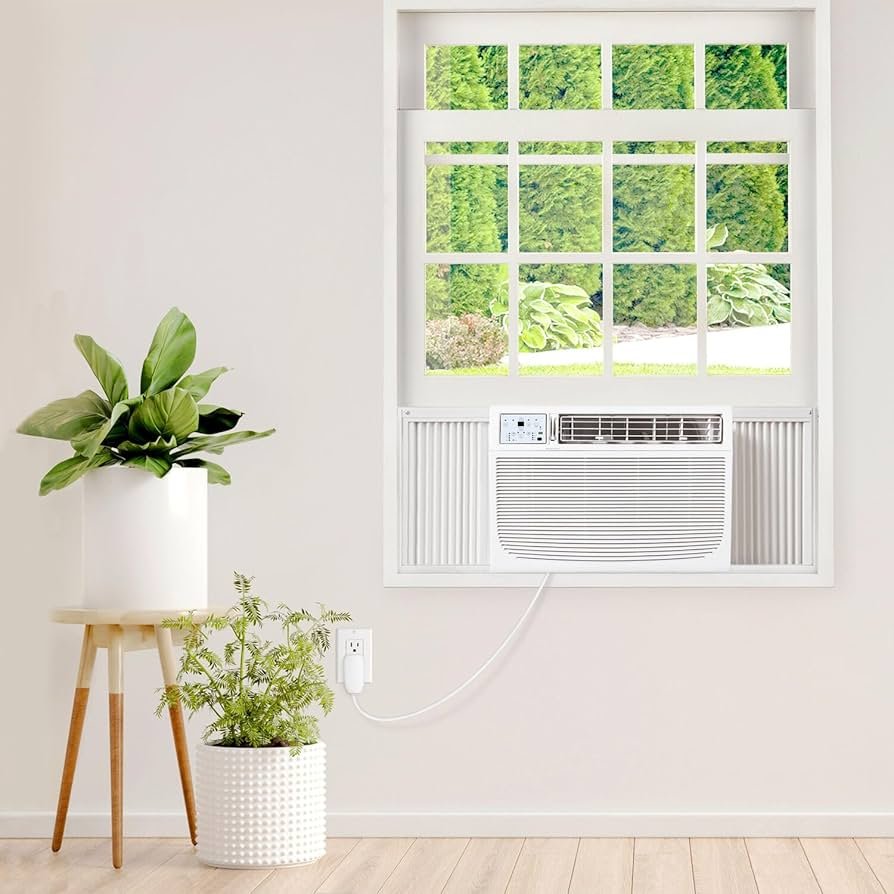
A clogged filter is one of the biggest silent energy drains. When dust and debris block airflow, the AC has to push harder to circulate air. This increases strain on the motor and reduces cooling efficiency.
Cleaning the filter is easy and doesn’t require technical skills. Most window AC units have a removable front panel. Once you take it off, the filter slides out. A gentle wash with water is usually enough.
Doing this every two to four weeks during heavy use can make a big difference. Not only does it improve efficiency, but it also enhances air quality inside the room.
You’ll notice the change almost instantly. The air feels fresher, and the unit doesn’t have to run as long to achieve the same cooling effect. Over time, this simple habit can save a surprising amount of energy.
tip 4: use curtains or blinds to block heat from sunlight
Sunlight is one of the biggest contributors to indoor heat. A room exposed to direct sunlight can heat up quickly, making your AC work much harder than necessary.
Closing curtains or blinds during peak sunlight hours can significantly reduce heat gain. This is especially important for windows facing the sun in the afternoon.
If possible, use thick or reflective curtains. They act as a barrier, preventing heat from entering the room. Some people even use window films designed to reflect sunlight, which can further improve efficiency.
This tip is often underestimated because it doesn’t involve the AC itself. But by reducing the heat entering the room, you reduce the amount of work your AC has to do. Less work means less energy consumed.
tip 5: avoid frequent on-off cycles and let the unit stabilize
Many people turn their AC on and off repeatedly, thinking it saves energy. In reality, this can have the opposite effect. Each time the unit starts, it uses a surge of power to get the compressor running.
Instead of switching it off every time you leave the room briefly, consider maintaining a steady operation. If you’re leaving for a short period, raising the temperature slightly is often better than turning it off completely.
This allows the AC to maintain a stable environment rather than constantly restarting. Stability is key to efficiency.
Of course, if you’re leaving for several hours, turning it off makes sense. The goal is to avoid unnecessary start-stop cycles that increase energy consumption.
tip 6: position the unit wisely and keep the outside clear
The outdoor side of your window AC plays a crucial role in heat exchange. If it’s blocked or exposed to extreme heat, efficiency drops.
Make sure the exterior part of the unit has enough space for airflow. Avoid placing objects too close to it. If possible, provide some shade to reduce direct sunlight exposure.
Even a small shade, like an awning, can help. A cooler exterior environment allows the AC to release heat more effectively, reducing the workload on the compressor.
Inside the room, avoid placing heat-generating appliances near the AC. Devices like televisions or lamps can add extra heat, making the unit work harder.
tip 7: use a timer or smart plug to control usage
One of the smartest ways to save energy is by controlling when your AC runs. A timer or smart plug allows you to automate usage based on your schedule.
For example, you can set the AC to turn off after you fall asleep or before you leave for work. This prevents unnecessary operation and ensures that energy isn’t wasted.
Some people also use timers to start the AC shortly before they return home. This way, the room is comfortable without running the unit all day.
Smart plugs add another layer of convenience by allowing remote control through a phone. While this may seem like a small upgrade, it can lead to consistent savings over time.
bringing it all together
When you look at these tips individually, they might seem simple. But their true power lies in combination. Sealing gaps, cleaning filters, managing sunlight, and using smart controls together create a system that works efficiently.
Energy saving isn’t about one big change—it’s about many small ones working together. Each improvement reduces the load on your AC, and those reductions add up.
What makes these tips effective is their practicality. They don’t require expensive upgrades or technical expertise. They rely on awareness, consistency, and a bit of effort.
Over time, these habits become second nature. And when they do, you’ll notice not just lower bills, but also a more comfortable and balanced indoor environment.
common mistakes that quietly increase your bill
Even with good intentions, some habits can undo your efforts. Leaving doors open, ignoring maintenance, or running the AC in an empty room are all common mistakes.
Another overlooked issue is poor installation. If the unit isn’t properly aligned, it may not drain water correctly or circulate air efficiently. Checking the installation can prevent long-term inefficiencies.
It’s also worth paying attention to unusual noises or reduced cooling performance. These can indicate underlying issues that, if ignored, may lead to higher energy use.
a realistic perspective on savings
It’s important to be realistic about what these tips can achieve. You may not see a dramatic drop overnight, but consistent application will lead to noticeable savings over time.
Think of it as a gradual improvement rather than an instant fix. Each step reduces waste, and together they create a more efficient system.
In many cases, people who adopt these habits report a significant reduction in their electricity bills within a few months. The key is consistency.
frequently asked questions
- how often should i clean my window ac filter
Ideally, you should clean the filter every two to four weeks during heavy usage. If you live in a dusty environment, more frequent cleaning may be necessary. - does setting a lower temperature cool the room faster
No, it doesn’t. Your AC cools at a constant rate. Lowering the temperature only makes it run longer, increasing energy consumption. - is it better to leave the ac on all day or turn it off
It depends on your schedule. For short absences, raising the temperature is better. For longer periods, turning it off saves more energy. - can curtains really make a difference in energy usage
Yes, they can. Blocking sunlight reduces heat entering the room, which lowers the workload on your AC and saves energy. - what is the ideal temperature setting for energy savings
A setting between 24–26°C is generally considered efficient while maintaining comfort. - do smart plugs actually help reduce electricity bills
Yes, they help by automating usage and preventing unnecessary operation. Over time, this can lead to noticeable savings.
In the end, saving energy with a window AC isn’t about doing something extraordinary. It’s about doing ordinary things more thoughtfully. When you combine awareness with simple actions, the results speak for themselves—quieter operation, better cooling, and bills that no longer feel overwhelming.