
10 Powerful Window AC Cleaning Tips That Actually Work
There’s a certain kind of relief that only a properly working window AC can give, especially when the heat feels like it’s pressing down on every wall of your home. But if you’ve ever switched on your unit and noticed weak airflow, a strange smell, or a rattling sound that wasn’t there before, you already know something is off. Most people assume it’s a technical fault. In reality, it’s often just dirt.
Cleaning a window air conditioner isn’t glamorous work. It doesn’t come with the instant satisfaction of buying something new. But it’s one of those rare tasks where a bit of effort pays off in multiple ways—better cooling, lower electricity bills, longer lifespan, and even cleaner air to breathe.
What follows isn’t just a list of tips. These are practical lessons, drawn from real situations where neglect caused problems and cleaning solved them. Each tip focuses on something that actually makes a difference, not just surface-level wiping.
understanding why cleaning matters more than you think
Before getting into techniques, it’s worth understanding what happens inside a window AC. Air passes through filters, over coils, and through fins before it reaches your room. Along the way, dust, grease, pollen, and even tiny insects can get trapped.
When that buildup increases, airflow drops. The system works harder. Cooling becomes uneven. Energy consumption rises quietly in the background. Over time, this can even damage internal components.
Cleaning isn’t just maintenance. It’s prevention.
tip 1: start with the filter, always
If you only clean one part of your AC, make it the filter. It’s the first line of defense and the most commonly ignored.
Pull it out gently. Most filters slide or pop out easily. If it looks gray instead of white, that’s already a sign it’s overdue. Rinse it under running water. For heavier dirt, a mild soap solution works well.
Let it dry completely before putting it back. Installing a wet filter might seem harmless, but it can lead to mold growth inside the unit.
A clean filter alone can improve airflow noticeably within minutes.
tip 2: don’t ignore the front grille
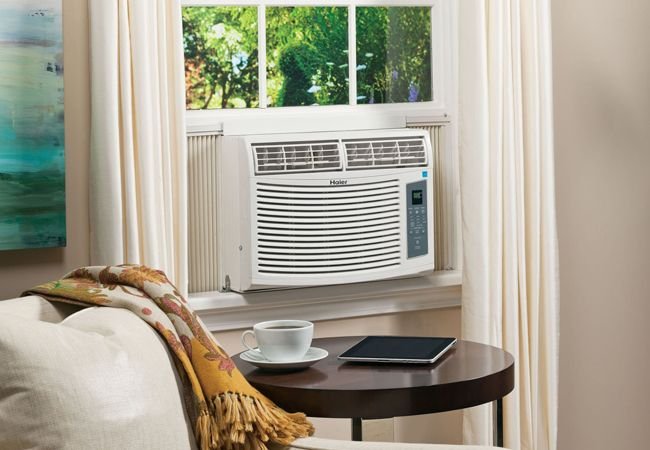
The front grille collects more dust than people expect. Because it’s visible, you might think it’s already clean—but dust settles into its edges and corners.
Use a soft brush or a vacuum with a brush attachment. For stubborn grime, a damp cloth works better. This step may seem cosmetic, but it actually helps prevent dust from entering deeper parts of the unit.
tip 3: clean the evaporator coils carefully
Behind the filter lie the evaporator coils. These are crucial for cooling, and they attract dust like magnets.
You don’t need fancy tools. A soft brush can remove loose dirt. For deeper cleaning, a coil cleaner spray (available in most hardware stores) can break down buildup effectively.
Be gentle. These coils are delicate, and bending them can reduce efficiency.
After cleaning, you’ll often notice the air feels cooler—not just stronger, but actually colder.
tip 4: straighten bent fins for better airflow
The thin metal fins around the coils can get bent over time. This restricts airflow and reduces efficiency.
A fin comb is ideal, but even a careful hand or a flat object can help realign them. Work slowly. The goal is not perfection, just better airflow.
This is one of those small fixes that can have a surprisingly big impact.
tip 5: tackle the drain system before it clogs
Water buildup inside a window AC is normal. That’s condensation. But if the drain path is blocked, that water has nowhere to go.
This can lead to leaks, musty smells, and even internal damage.
Check the drain hole or channel. Clear any visible debris. A thin wire or a gentle flush of water can help ensure it’s open.
Ignoring this step is one of the most common reasons for water dripping inside the room.
tip 6: clean the fan blades for quieter operation
If your AC has started making noise, dirty fan blades could be the reason.
Dust accumulation throws off balance. That leads to vibration and noise.
Access the fan carefully and wipe the blades with a damp cloth. Avoid applying too much pressure. Once clean, the difference in sound can be immediate.
tip 7: use compressed air for hard-to-reach areas
There are always spots you can’t reach easily—tight corners, internal crevices, and small vents.
Compressed air is perfect for these areas. Short bursts can dislodge dust without requiring disassembly.
This step is especially useful for older units where dirt has settled over time.
tip 8: clean the outer part of the unit
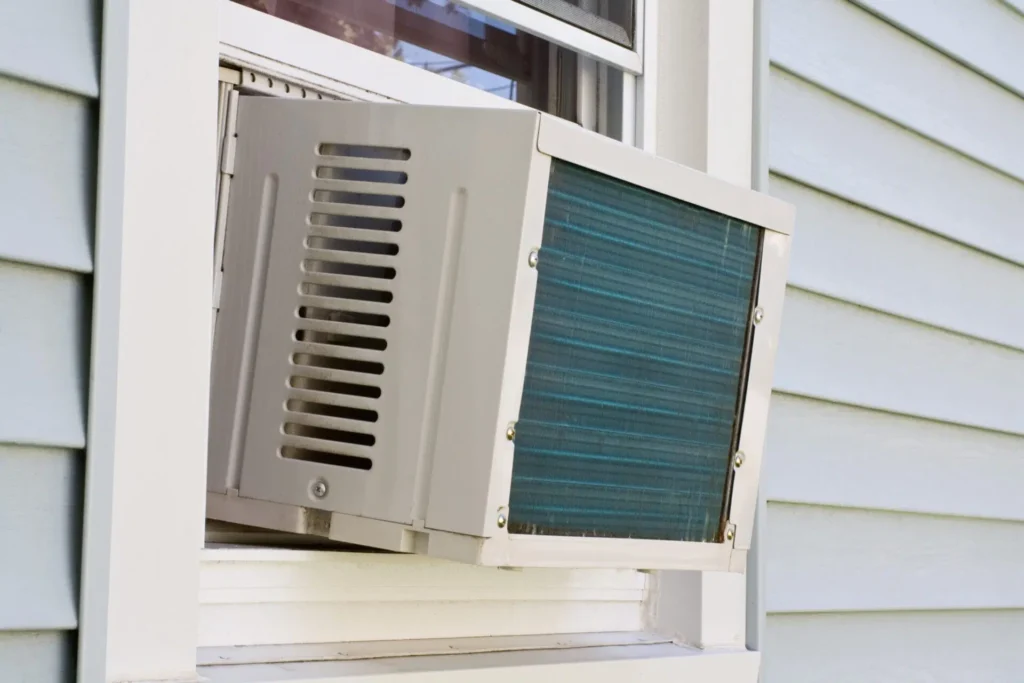
The outdoor-facing part of a window AC often gets ignored completely. Yet it’s exposed to dust, pollution, and weather.
Wipe it down regularly. If accessible, rinse it lightly with water (making sure the unit is unplugged).
A cleaner exterior helps with heat exchange, which improves overall efficiency.
tip 9: check and clean the insulation and seals
The foam insulation around the unit helps keep hot air out and cool air in. Over time, it can collect dust or degrade.
Wipe it clean and inspect for damage. Replacing worn-out insulation can make a noticeable difference in cooling performance.
Similarly, check for gaps around the unit. Even small openings can let in warm air, reducing efficiency.
tip 10: create a simple cleaning routine
The biggest mistake isn’t failing to clean—it’s cleaning only once a year and forgetting about it.
Set a simple routine:
– Light cleaning every two weeks (filter and grille)
– Deeper cleaning once every one to two months
– Full inspection at the start of each cooling season
Consistency matters more than intensity. A little effort regularly is far more effective than a major cleanup once in a while.
lessons learned from real use
Many people only realize the importance of cleaning when something goes wrong. A unit that suddenly stops cooling well, starts smelling bad, or leaks water usually isn’t broken—it’s dirty.
One common experience is thinking the AC has lost its cooling power, only to find that a clogged filter was the main issue. Another is dealing with strange odors that disappear completely after cleaning the coils and drain system.
These situations show that cleaning isn’t just maintenance—it’s troubleshooting.
mistakes that make cleaning less effective
Even when people do clean their AC, a few common mistakes reduce the benefits.
Using too much water is one. Window ACs aren’t designed to handle heavy water exposure like outdoor units. Gentle cleaning works better.
Skipping drying time is another. Moisture trapped inside creates the perfect environment for mold.
Being too rough is also a problem. Bending fins or damaging coils can do more harm than good.
And perhaps the biggest mistake: assuming visible cleanliness means the job is done. The most important parts are often hidden.
how cleaning affects energy bills
It’s easy to underestimate how much a dirty AC costs over time.
When airflow is restricted, the unit runs longer to achieve the same cooling. That means higher electricity consumption.
A clean unit, on the other hand, works efficiently. It cools faster and cycles off sooner.
The difference might not be obvious day to day, but over a full season, it adds up.
the connection between cleanliness and air quality
An often overlooked benefit of cleaning is better indoor air quality.
A dirty filter doesn’t just reduce airflow—it circulates dust and allergens back into the room.
For people with allergies or respiratory issues, this can make a significant difference.
Cleaning the AC regularly helps ensure that the air you’re breathing is as clean as possible.
when to consider professional cleaning
While most cleaning tasks can be done at home, there are times when professional help is worth considering.
If the unit hasn’t been cleaned in years, if there’s persistent odor even after cleaning, or if performance issues remain, a deeper service might be needed.
Professionals can disassemble parts safely and clean areas that are difficult to access otherwise.
That said, regular basic cleaning often prevents the need for this.
final thoughts
A window AC is one of those appliances that quietly does its job—until it doesn’t. And when it fails, the discomfort is immediate.
The good news is that many of the problems people face aren’t mechanical failures. They’re the result of dirt, neglect, or simple oversight.
Cleaning isn’t complicated. It doesn’t require expensive tools or expert knowledge. What it requires is attention and consistency.
If you take the time to care for your AC, it will return the favor—by cooling better, lasting longer, and working more efficiently.
And perhaps most importantly, it will do so without demanding constant repairs or unexpected costs.
frequently asked questions
- how often should I clean my window AC?
Ideally, clean the filter every two weeks during heavy use. A deeper cleaning, including coils and other components, should be done every one to two months.
- can I use regular household cleaners for my AC?
Mild soap and water are generally safe for basic cleaning. For coils, it’s better to use a dedicated coil cleaner to avoid damage.
- why does my AC smell bad even after cleaning the filter?
The smell could be coming from the coils or the drain system. Mold or bacteria buildup in these areas often requires deeper cleaning.
- is it safe to use water to clean the unit?
Yes, but only in controlled amounts. Avoid pouring water directly into the unit. Use damp cloths or light rinsing where appropriate, and always unplug the unit first.
- what happens if I never clean my window AC?
Over time, performance will drop, energy consumption will increase, and the risk of damage will grow. It can also negatively affect indoor air quality.
- do I need professional servicing every year?
Not necessarily. If you maintain a regular cleaning routine, professional servicing may only be needed occasionally or when specific issues arise.