9 Easy Window AC Installation Ideas for Apartments
Living in an apartment during the summer can feel uncomfortable when indoor temperatures rise and air circulation becomes poor. Unlike houses, apartments often come with limitations such as strict landlord policies, smaller windows, limited wall space, and building regulations that make cooling solutions more complicated. This is why window air conditioners remain one of the most practical and affordable cooling options for renters.
A window AC unit offers powerful cooling without the high installation cost of central air systems. However, installing one in an apartment requires more thought than simply placing the unit on a window ledge and plugging it in. Safety, efficiency, aesthetics, and landlord approval all matter.
Many renters struggle with questions like: Which window is best? How can I secure the unit without damaging the property? What if my apartment has sliding windows instead of traditional double-hung windows? How can I reduce energy bills while keeping the room cool?
The good news is that there are several easy and renter-friendly installation ideas that can make the process smoother and safer. With proper planning, you can enjoy a cool apartment without risking security deposits or violating lease agreements.
This article explores 9 easy window AC installation ideas for apartments that are practical, safe, and efficient. Whether you are installing your first AC unit or upgrading an old one, these ideas will help you create a cooler and more comfortable living space.
- Choose the Right Window First
Before buying or installing a window AC unit, selecting the right window is the most important step. Not every window in your apartment is suitable for installation.
The ideal window should be:
• Close to an electrical outlet
• Strong enough to support the AC unit
• Located in the room that needs the most cooling
• Away from direct obstacles like furniture or curtains
• Easily accessible for maintenance and cleaning
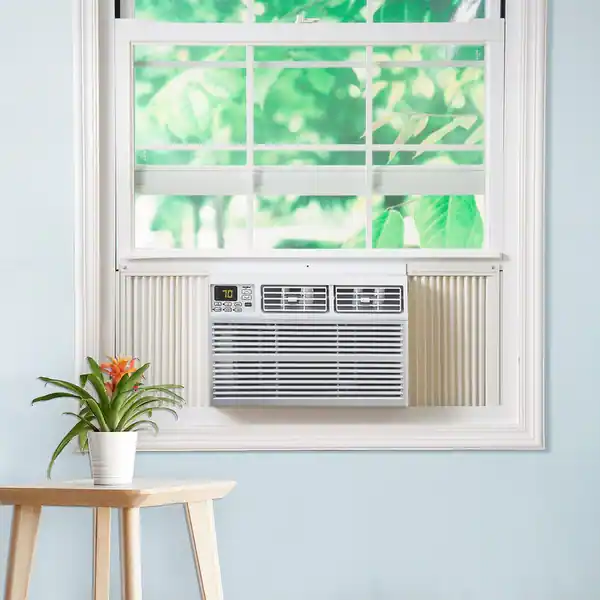
Most window AC units are designed for double-hung windows that open vertically. If your apartment has sliding windows that open horizontally, you may need a special installation kit.
Avoid placing the unit in a window that receives intense afternoon sunlight if possible. Constant direct sunlight can reduce cooling efficiency because the unit has to work harder to maintain indoor temperature.
Bedrooms and living rooms are usually the best choices since they are the spaces where people spend the most time. Kitchens are often less ideal because cooking heat can interfere with cooling performance.
Take accurate measurements of your window width and height before shopping for an AC unit. Even a small measurement mistake can lead to poor installation and expensive returns.
Pro tip:
Use painter’s tape to mark the window dimensions before purchasing the AC. This gives you a visual idea of how much space the unit will occupy.
- Get Landlord Approval Before Installation
One of the biggest mistakes apartment renters make is installing a window AC without informing the landlord or property manager.
Many apartment buildings have rules regarding:
• Exterior appearance
• Window modifications
• Drainage issues
• Weight restrictions
• Safety requirements
• Approved installation methods
Some landlords may allow window AC units only in specific windows, while others may require professional installation. In some buildings, AC brackets are mandatory for safety reasons.
Getting written approval protects you from lease violations and possible fines later. It also helps avoid disputes regarding property damage or improper installation.
When speaking with your landlord, explain:
• The AC model you plan to install
• Its size and weight
• Whether a support bracket will be used
• How you plan to prevent wall or window damage
This shows responsibility and increases the chances of approval.
Some landlords may even recommend approved contractors or preferred installation methods based on building rules.
Remember, a simple email today can save major problems later.
- Use a Support Bracket for Extra Safety
Many renters assume the window frame alone can hold the AC unit safely. While smaller units may seem stable, relying entirely on the window frame is risky.
A support bracket adds essential safety by helping distribute the unit’s weight and reducing pressure on the window sash.
Benefits of using a support bracket include:
• Prevents the AC from falling
• Protects the window frame from damage
• Improves installation stability
• Helps maintain proper drainage angle
• Often required by apartment management
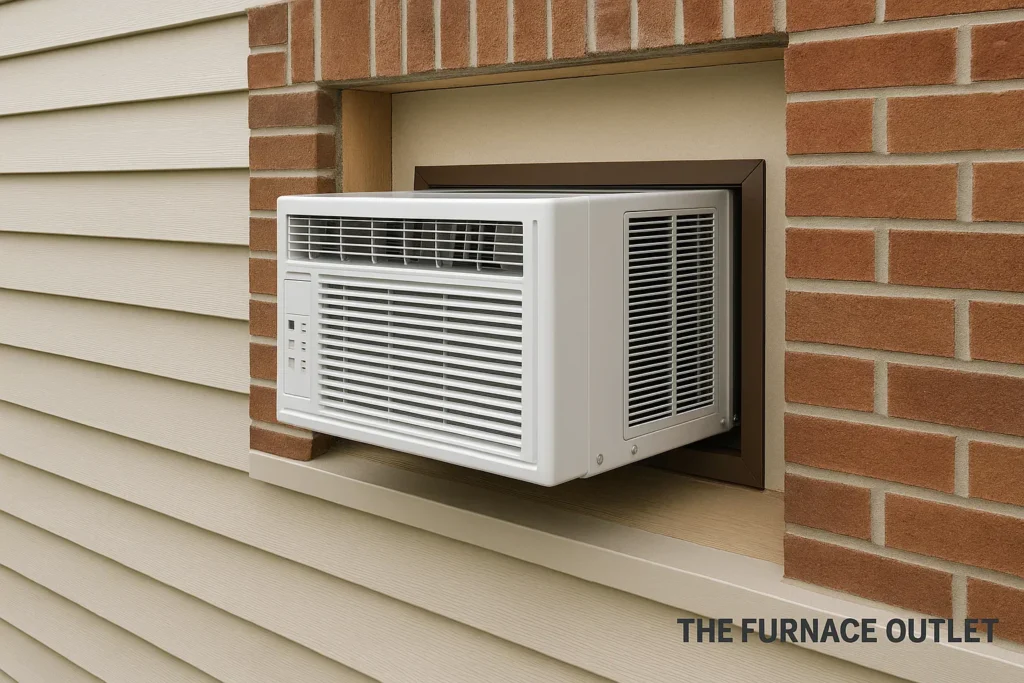
There are renter-friendly no-drill support brackets available that do not require permanent wall damage. These are ideal for apartments because they reduce installation risk while protecting your security deposit.
Even if your unit is lightweight, a bracket adds peace of mind. It is especially important for upper-floor apartments where safety concerns are more serious.
Imagine the danger of a heavy AC unit slipping from a third-floor window. A simple bracket can prevent accidents, injuries, and expensive legal issues.
Installation tip:
Always follow the manufacturer’s weight recommendations. Do not assume one bracket fits all AC units.
- Seal Gaps Properly to Improve Efficiency
After installing a window AC, many people forget one of the most important steps: sealing the gaps around the unit.
Even a perfectly installed AC can waste energy if warm outdoor air enters through side gaps. This forces the unit to work harder, increases electricity bills, and reduces cooling performance.
Common sealing materials include:
• Foam insulation strips
• Weather stripping
• Expandable side panels
• Insulating curtains
• Removable seal kits
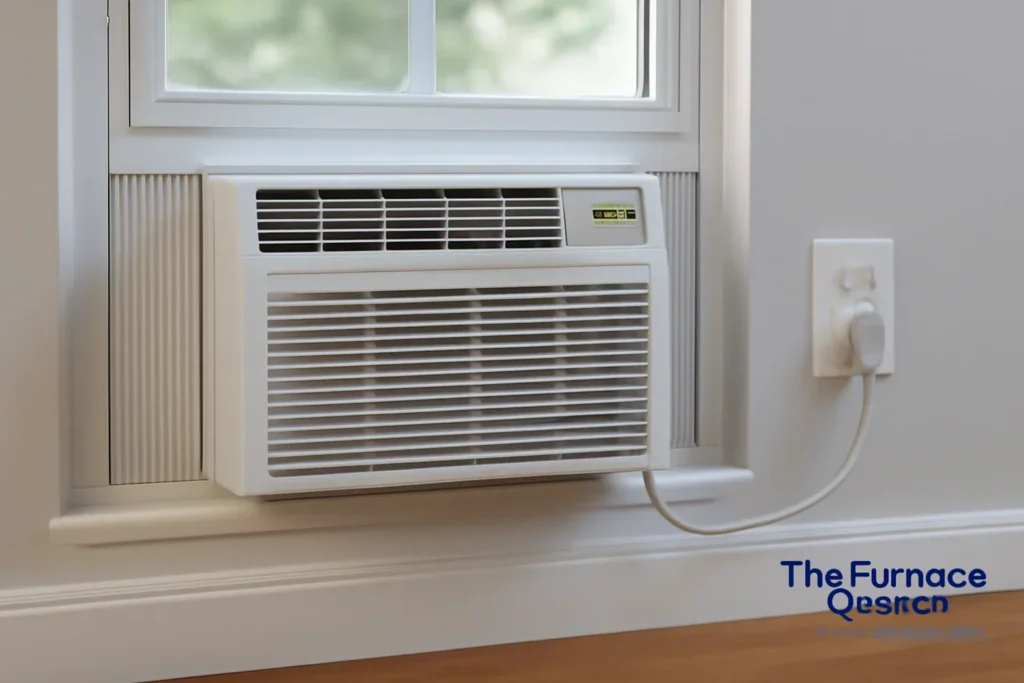
Most window AC units come with accordion side panels, but these alone are often not enough. Adding foam insulation around edges creates a tighter seal and improves comfort significantly.
This also helps reduce:
• Outdoor noise
• Dust and pollution
• Humidity infiltration
• Insect entry
For renters, removable foam strips are ideal because they do not damage paint or window frames.
A properly sealed unit can make your apartment feel cooler faster and help reduce monthly electricity costs.
Quick checklist:
If you can feel warm air around the AC edges, more sealing is needed.
Small fixes here can make a surprisingly big difference.
- Install in a Central Room for Better Airflow
Many people place their AC unit wherever installation seems easiest, but placement affects cooling efficiency more than expected.
Installing the unit in a central room helps distribute cool air more evenly across the apartment.
For example:
• Living room installation can cool nearby bedrooms
• Hallway-facing rooms improve airflow circulation
• Open-plan spaces allow better temperature balance
Avoid placing the unit in isolated corners where cool air gets trapped in one room while the rest of the apartment remains warm.
If your apartment layout is small, a centrally placed window AC can sometimes cool the entire unit with the help of fans.
You can improve airflow further by:
• Keeping interior doors open
• Using ceiling fans
• Adding portable fans near hallways
• Removing furniture blocking air circulation
Cross-ventilation also helps. If another window is available on the opposite side of the apartment, it can improve natural airflow and reduce pressure on the AC system.
Think strategically instead of choosing the first available window.
Cooling performance depends as much on placement as it does on AC size.
- Use Insulated Curtains Around the Room
A window AC cools the room, but heat from sunlight can quickly undo that work. This is especially true in apartments with large windows and strong afternoon sun exposure.
Installing insulated curtains is one of the easiest upgrades you can make alongside your window AC.
Benefits include:
• Blocks direct sunlight
• Reduces indoor heat gain
• Improves AC efficiency
• Lowers electricity bills
• Adds privacy and noise reduction
Blackout curtains are particularly effective for bedrooms because they improve both cooling and sleep quality.
Curtains should be installed carefully so they do not block the AC airflow. If the curtains cover the front vents, cooling performance will drop significantly.
Instead:
• Mount curtain rods slightly wider than the window
• Keep curtains pulled to the side around the AC
• Use tie-backs for better airflow
This creates a balance between insulation and proper cooling.
During the hottest hours of the day, keeping curtains closed can noticeably reduce room temperature even before the AC turns on.
This simple idea often gets overlooked, but it can dramatically improve comfort in apartment living.
- Add a Drip Management Solution
Water drainage is a common issue with window AC units, especially in apartments where dripping water can annoy neighbors or damage building surfaces.
Air conditioners naturally produce condensation. If the unit is not installed with the correct slight tilt outward, water may leak indoors or drip excessively outside.
Proper drainage requires:
• Slight backward tilt toward the outside
• Stable support bracket alignment
• Regular drain hole cleaning
• Clear outdoor drainage path
Some apartment buildings have strict rules regarding dripping water because it can stain walls, create slippery walkways, or cause complaints from downstairs neighbors.
Simple drip management ideas include:
• Drain pans
• Controlled drainage hoses
• Drip trays
• Proper tilt adjustment
Never force excessive tilt because this can affect compressor performance. A slight angle is enough.
Before installation, check whether your building has drainage guidelines. Some properties may require specific solutions.
Ignoring drainage may seem minor at first, but water damage complaints can become expensive quickly.
A clean, properly draining AC is a good neighbor move and a smart renter habit.
- Use a Smart Plug or Timer for Energy Savings
Installing a window AC is not only about cooling—it is also about controlling energy costs.
Many apartment renters worry about high electricity bills during summer. One of the easiest solutions is using a smart plug or timer.
This allows you to:
• Schedule cooling hours
• Turn the AC off automatically
• Control the unit remotely
• Avoid running the AC all day unnecessarily
• Improve energy efficiency
For example, instead of running the AC for ten hours continuously, you can cool the apartment before arriving home and shut it off automatically during sleep hours.
Some modern window AC units include built-in smart features, but even older models can benefit from external smart plugs if compatible.
Important note:
Always check the power rating. Not all smart plugs are designed for high-powered appliances like air conditioners.
A heavy-duty smart plug is necessary for safety.
Combining a timer with insulated curtains, fans, and good sealing can reduce cooling costs significantly without sacrificing comfort.
This idea is especially useful for renters who want better control over monthly utility expenses.
- Create a Temporary Renter-Friendly Installation Setup
Many apartment residents hesitate to install a window AC because they fear losing their security deposit due to damage.
The best solution is creating a renter-friendly temporary setup that avoids permanent changes.
This means:
• Using removable foam insulation
• Choosing no-drill brackets
• Avoiding screws where possible
• Protecting window sills with pads
• Using removable weather stripping
• Keeping original window parts safe
Before installation, place protective material under contact points where the AC touches the frame. This reduces scratches, dents, and paint damage.
Take photos before and after installation for documentation. If disputes arise later, this helps show that the apartment was protected.
Keep all manufacturer packaging and installation parts organized. When moving out, removal becomes easier and cleaner.
A temporary setup is ideal for:
• Short-term leases
• Student apartments
• First-time renters
• Frequent movers
• Shared housing
You do not need a permanent renovation to enjoy strong cooling.
Smart planning allows comfort today without expensive repair bills tomorrow.
Bonus Tips for Better Window AC Performance
Beyond installation, daily maintenance affects how well your unit performs.
Clean the filter regularly
Dirty filters reduce airflow and force the unit to work harder. Most filters should be cleaned every two to four weeks during heavy use.
Do not overload the circuit
Window AC units use significant power. Avoid plugging other heavy appliances into the same outlet.
Check weather stripping each season
Foam seals wear down over time. Replacing them before summer improves performance.
Use fans together with AC
Fans help spread cool air faster so you can run the AC at a slightly higher temperature while staying comfortable.
Set realistic temperatures
Setting the AC to extremely low temperatures does not cool faster—it only increases energy use. Moderate settings are more efficient.
Listen for unusual noise
Rattling, dripping, or vibration may indicate bracket issues, loose panels, or drainage problems.
Apartment Cooling Mistakes to Avoid
Even with a good installation, some common mistakes reduce comfort and increase costs.
Mistake 1: Choosing an oversized AC
Bigger is not always better. Oversized units cool too quickly without properly removing humidity, leaving rooms cold but damp.
Mistake 2: Ignoring sunlight direction
A west-facing window often gets intense afternoon heat, making the AC work harder.
Mistake 3: Blocking airflow
Furniture placed directly in front of the AC prevents cool air from circulating properly.
Mistake 4: Skipping landlord approval
This can lead to lease violations and forced removal.
Mistake 5: Weak installation support
Skipping a bracket may seem easier, but safety should never be compromised.
Mistake 6: Forgetting winter removal plans
In seasonal climates, consider how the unit will be removed or covered during colder months.
Avoiding these mistakes saves money, improves comfort, and protects your apartment.
Why Window AC Units Are Still Popular for Apartments
Despite the rise of portable AC systems and mini-split technology, window AC units remain a favorite for apartment renters.
Why?
Because they offer:
• Strong cooling performance
• Lower purchase cost
• Easy installation
• Energy efficiency
• Space-saving design
• Reliable operation
Portable units often take up floor space and require venting through windows anyway. Central air is rarely an option for renters.
Window units strike the best balance between affordability and performance.
With proper installation, they can cool small and medium apartments effectively for years.
The key is not just buying the right AC—but installing it the right way.
That is where these 9 easy ideas make all the difference.
Final Thoughts
Installing a window AC in an apartment does not have to be stressful, expensive, or risky. With the right approach, renters can enjoy powerful cooling while staying within lease rules and protecting their living space.
The smartest installation strategy starts with choosing the right window, getting landlord approval, and using strong support systems like brackets and proper sealing.
From there, small improvements such as insulated curtains, drip management, smart timers, and renter-friendly temporary setups can transform a basic installation into a highly efficient cooling system.
Comfort during summer should not come at the cost of high energy bills, damaged property, or neighbor complaints.
A well-installed window AC creates a cooler home, better sleep, improved productivity, and a much more enjoyable apartment lifestyle.
Whether you live in a studio apartment, a shared rental, or a high-rise unit, these practical installation ideas help you stay cool with confidence.
Sometimes, the best home upgrade is not the most expensive one—it is simply the smartest one.
FAQs
- Can I install a window AC in an apartment without drilling?
Yes, many renter-friendly options such as no-drill support brackets and removable insulation kits allow installation without permanent damage. However, always check landlord approval first because some buildings have specific requirements.
- Is a support bracket really necessary for a small window AC?
Even for smaller units, a support bracket is strongly recommended. It improves safety, reduces pressure on the window frame, and helps prevent accidents, especially in upper-floor apartments.
- How do I know if my window is suitable for a window AC?
Measure the window dimensions and compare them with the AC manufacturer’s requirements. Double-hung windows are usually the easiest for installation, while sliding windows may need a special kit.
- Why is my window AC leaking water inside?
Indoor leaking often happens when the unit is not tilted slightly outward. Improper drainage, clogged drain holes, or unstable installation can also cause this issue.
- Can one window AC cool my entire apartment?
It depends on apartment size and layout. In small apartments or open-plan spaces, one centrally placed AC unit combined with fans may cool most areas effectively.
- How can I reduce electricity costs when using a window AC?
Use proper sealing, insulated curtains, fans, moderate temperature settings, and smart timers or plugs. Regular filter cleaning also helps improve efficiency and lower energy bills.