
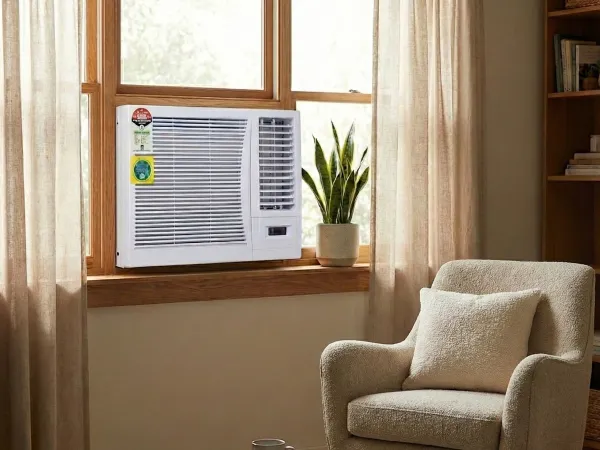
Last summer, my window AC was running non-stop but the room still felt like a sauna. My electricity bill shot up by almost 30%, and I kept thinking the unit was dying. Turns out, it wasn’t dying at all — it was just desperately dirty and poorly maintained. A couple of hours of basic fixes later, the room was noticeably cooler and my next bill was back to normal.
If your window AC is underperforming, making weird noises, or just not cooling the way it used to, there’s a good chance it doesn’t need replacing. It probably just needs some attention. Here are five fixes I’ve personally used — and the mistakes I made before I figured them out.
1. Clean or Replace the Air Filter — Yes, It Really Matters That Much
This is the one thing most people skip, and it’s the one thing that makes the biggest difference. I used to think the filter was just there to catch dust, no big deal. Wrong.
A clogged filter blocks airflow so badly that the AC has to work twice as hard to push cold air through. More effort = more electricity = higher bill. And even with all that effort, you get weak, stale-smelling air.
How to do it:
- Turn off and unplug the unit first (always).
- Open the front panel — it usually snaps off or has two small tabs to press.
- Pull out the filter. If it’s gray or brown and you can’t see light through it, it’s overdue.
- If it’s a reusable filter, wash it with warm water and a little dish soap. Let it dry completely before putting it back — never put a wet filter in.
- If it’s disposable, just replace it. They’re cheap (usually under $10).
How often? Every 2–4 weeks during heavy summer use. If you have pets or dusty surroundings, lean toward every 2 weeks.
I made the mistake of washing mine and putting it back slightly damp once. The AC smelled musty for days after. Fully dry means fully dry.
2. Clean the Condenser Coils on the Back of the Unit
Most people clean the front filter and call it a day. But the coils at the back — the ones sitting outside — collect a shocking amount of dirt, dust, and even leaf debris over time.
Dirty coils can’t release heat efficiently, which means the AC runs longer to achieve the same cooling. It’s basically trying to cool your room while wearing a thick jacket.
What you’ll need:
- A soft brush or old toothbrush
- A can of compressed air (optional but helpful)
- A mild coil cleaner spray (available at hardware stores or online)
- Gloves
Steps:
- Unplug the unit completely. If it’s a permanent install, switch off the breaker.
- Carefully remove the unit from the window if you can — this makes the job much easier.
- Use the brush to loosen debris from the coil fins (those thin metal ridges).
- Spray compressed air through the fins to blow out loose dust.
- Apply coil cleaner, let it sit for the time mentioned on the can, then rinse gently.
- Let everything dry before reinstalling.
The first time I did this, the amount of gunk that came off was honestly embarrassing. After cleaning, the cooling difference was noticeable within the first 20 minutes of turning it back on.
Just be careful not to bend the fins — they’re fragile. A fin comb (costs a few dollars) can straighten bent fins if you accidentally damage them.
3. Fix the Seal Around the Window — The Invisible Energy Drain
Here’s one that almost nobody talks about: the foam seal around your window AC unit. Over time, the foam strips compress, crack, or fall apart. This creates tiny gaps where cool air escapes outside and hot air sneaks in.
I noticed one summer that my AC was running constantly but one corner of the room stayed warmer. Turned out there was a gap at the side panel where the accordion-style filler had warped. Hot outside air was flowing straight in.
How to check and fix it:
- On a hot day, run your hand slowly around the edges of the unit where it meets the window frame.
- If you feel warm air, you’ve found a leak.
- Pick up foam weatherstripping tape from any hardware store — it costs next to nothing.
- Remove the old foam if it’s cracked or compressed, clean the surface, and press the new strip firmly in place.
- For the accordion side panels, make sure they’re fully extended and sealed against the window frame. If they’re cracked or warped, replacement panels are available for most standard units.
This fix took me about 20 minutes and immediately made the room feel tighter and cooler. It also meant the AC didn’t have to run as long to maintain temperature, which showed up on the next bill.
4. Clear the Drain and Check for Water Buildup
Window ACs pull moisture out of the air as they cool — that’s actually part of how they work. That moisture usually drips out through a drain hole at the back of the unit. When that drain gets clogged, water backs up inside, which can cause the unit to freeze up, smell moldy, or even leak water into your room.
I had water dripping from the front vents once and panicked thinking the unit had a refrigerant leak. It wasn’t — the drain hole was completely blocked with algae and debris.
How to fix it:
- Unplug the unit.
- Locate the drain hole at the rear base of the unit (check your manual if you can’t find it).
- Use a thin wire or pipe cleaner to gently clear any blockage.
- For stubborn buildup, a mix of white vinegar and water flushed through the pan works well.
- While you’re at it, clean the drain pan itself — wipe it down to remove any mold or slime.
Quick tip: A few drops of bleach in the drain pan every few weeks during summer keeps algae from growing in the first place. Just don’t overdo it.
| Problem | Likely Cause | Quick Fix |
|---|---|---|
| Water dripping inside | Clogged drain hole | Clear with wire/flush with vinegar |
| Musty smell | Mold in drain pan | Clean pan with bleach solution |
| AC freezing up | Restricted airflow or blocked drain | Clean filter + clear drain |
| Weak cooling | Dirty coils or blocked filter | Clean both thoroughly |
| High electricity bill | Multiple small issues combined | Work through all 5 fixes |
5. Check and Tighten the Fan Blades and Mounting Position
This one surprised me. My AC started making a low rattling noise a couple of summers ago. I assumed it was something serious — maybe a compressor issue. I was mentally preparing to buy a new unit.
Turns out the fan blade had a small wobble from a loose mounting screw, and the whole unit had shifted slightly in the window frame, causing vibration against the sill.
What to do:
- Unplug the unit and remove the casing carefully (usually a few screws around the back panel).
- Look at the fan blade — give it a gentle wiggle. If it moves more than a millimeter or two, the mounting nut is loose.
- Use a wrench or pliers to tighten it. Don’t overtighten — snug is enough.
- Check that the unit itself is slightly tilted toward the outside (about a quarter inch lower at the back). This ensures water drains out rather than into your room. Most window AC brackets allow you to adjust this.
- If the unit is vibrating against the window sill, foam padding or rubber anti-vibration strips under the unit can eliminate the noise completely.
7 Smart Window AC Maintenance Tricks You Should Know — if you want to go deeper on reducing noise and vibration from your unit.
A Realistic Maintenance Schedule (So You Don’t Have to Remember Everything at Once)
| Task | Frequency |
|---|---|
| Clean/check air filter | Every 2–4 weeks |
| Wipe down front vents and casing | Monthly |
| Clear drain hole + clean pan | Monthly in summer |
| Clean condenser coils | Every 3–6 months |
| Check window seal and foam strips | Start of every cooling season |
| Inspect fan blade and tilt | Once a year |
Following this took me from spending a lot on repairs and inflated bills to virtually zero issues for two full seasons.
Common Mistakes to Avoid
These are real things I did wrong before I figured out what actually works:
Putting the filter back wet. It grows mold fast and makes the air smell terrible. Always let it dry completely, even if it takes a few hours.
Using a pressure washer on the coils. Seen this recommended online. It bends the fins and causes more damage than the dirt did. Gentle rinse only.
Ignoring small leaks. A tiny gap in the window seal sounds minor. But over 8–10 hours of daily use, you’re essentially cooling the outside air. It adds up fast on your bill.
Running the fan on “High” all the time. It feels like more cooling but actually reduces the time air spends passing over the cold coils. Medium or Low fan speed often cools more effectively in smaller rooms.
Skipping maintenance until something breaks. Everything on this list takes less than two hours total per season. Waiting until the unit fails means a repair bill or replacement that could have been avoided entirely.
Check out 9 Proven Window AC Maintenance Secrets for Better Cooling for more things that fly under the radar.
How Much Can You Actually Save?
Here’s a rough idea based on my own experience and general AC efficiency data:
| Maintenance Fix | Potential Efficiency Gain |
|---|---|
| Clean filter | 5–15% energy savings |
| Clean condenser coils | 10–20% energy savings |
| Fix window seal gaps | 5–10% energy savings |
| Clear drain + prevent freeze-ups | Prevents 10–30% efficiency loss |
| Fix fan and mounting | Reduces wear, extends unit lifespan |
These aren’t magic numbers — they vary based on your unit, room size, and how neglected things were before. But in practice, doing all five together can meaningfully cut your cooling costs without touching a thermostat.
For more specific energy-saving strategies, 7 Smart Window AC Energy Saving Tips That Cut Bills Fast breaks it down further.
Final Thoughts
None of this is complicated. You don’t need to be handy or own special tools. Most of these fixes require nothing more than a screwdriver, some warm water, and about an hour of your time.
The thing is, window ACs are simple machines. They have a fan, some coils, a compressor, and a few moving parts. When they stop cooling well, it’s almost always something basic that’s been neglected — not a catastrophic failure.
I’ve now made these five checks a habit at the start of every summer. The unit runs quieter, cools faster, and the bill stays predictable. That’s honestly all I wanted.
If your AC has been struggling lately, start with the filter. Seriously, just start there. You might be surprised how much of a difference that one thing makes before you even get to the rest.
FAQs
Q1: How do I know if my window AC filter needs cleaning? Hold it up to a light source. If you can’t see light through it clearly, it needs cleaning. A visibly gray or clogged filter is already hurting your cooling and costing you extra on electricity.
Q2: My AC is cooling but the room still feels humid. What’s wrong? Humidity issues usually point to a clogged drain or a dirty evaporator coil. When moisture can’t drain properly, it recirculates. Clean the drain hole and wipe down the coil area — that usually solves it.
Q3: Is it safe to clean AC coils yourself? Yes, if you unplug the unit first and use the right products. Avoid harsh chemicals or high-pressure water. A coil cleaner spray from a hardware store is safe and effective for DIY cleaning.
Q4: How long should a window AC last with proper maintenance? A well-maintained window AC can realistically last 10–15 years. Most units that “die” early were just never cleaned properly. Regular maintenance is genuinely the biggest factor in lifespan.
Q5: Can dirty coils cause the AC to freeze up? Yes. Dirty coils restrict heat exchange, which can cause ice to form on the evaporator coils. If you see frost or ice on your unit, turn it off, let it thaw, then clean the filter and coils before restarting.
Want to go even further with your AC care routine? Check out 8 Quick Window AC Maintenance Tips to Avoid Repairs — it covers some of the less obvious checks that most guides skip entirely.