10 Smart Window AC Maintenance Tricks You Should Know
Introduction
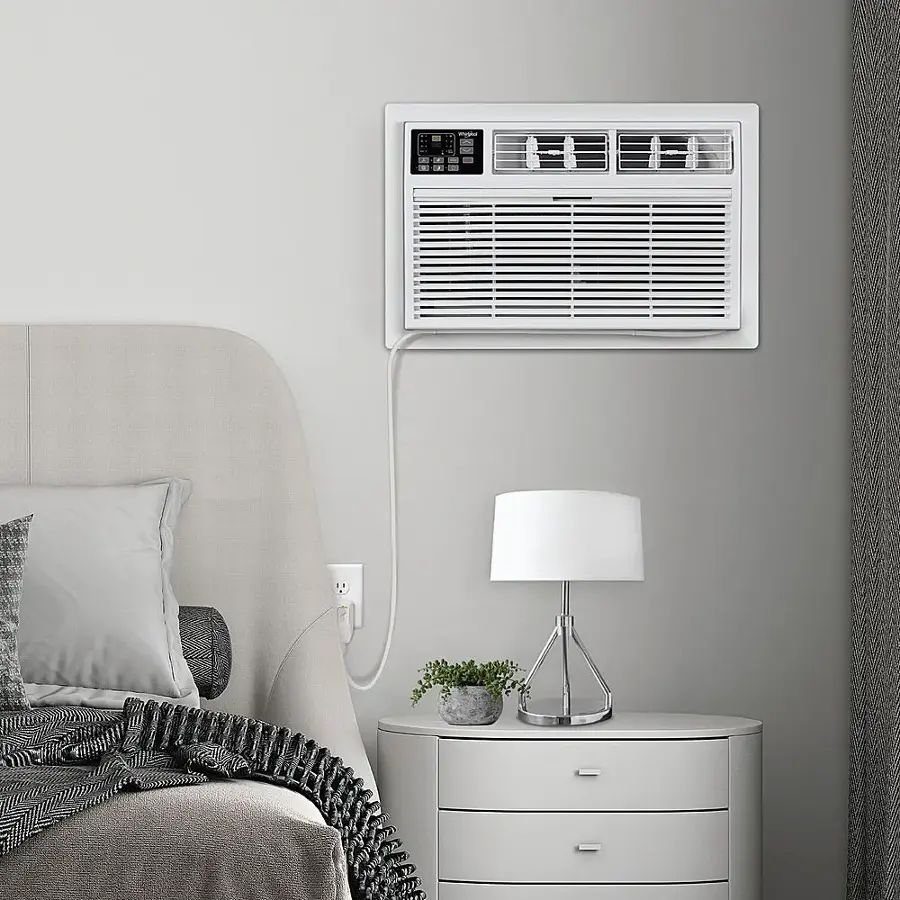
A window air conditioner is one of the most practical cooling solutions for homes, especially in hot climates where summers can become unbearable. It is compact, relatively affordable, and easy to install compared to split systems. But like any machine that works hard during extreme weather, it needs regular care to perform efficiently.
Many people only think about their AC when it stops cooling properly or starts making strange noises. By that time, the issue is often bigger than it should be. Proper maintenance not only improves cooling performance but also reduces electricity bills, extends the lifespan of the unit, and improves indoor air quality.
This article explores ten smart maintenance tricks that can help you keep your window AC running smoothly throughout the season and beyond.
Understanding why maintenance matters
Before jumping into the tricks, it is important to understand why maintenance is so essential. A window AC pulls warm air from your room, cools it using refrigerant, and circulates it back. In the process, dust, dirt, and moisture continuously accumulate inside the unit.
If this buildup is ignored, airflow gets blocked, the compressor works harder, electricity consumption rises, and cooling efficiency drops. In extreme cases, the system may overheat or break down completely.
Regular maintenance ensures smooth airflow, proper heat exchange, and consistent cooling without unnecessary strain on the machine.
Trick 1: Clean or replace air filters regularly
Air filters are the first line of defense in any window AC. They trap dust, pollen, and airborne particles before air enters the cooling system. Over time, these filters become clogged.
A clogged filter restricts airflow, making the AC work harder while delivering weaker cooling. Ideally, filters should be cleaned every two weeks during heavy usage.
To clean them, remove the front panel, gently take out the filter, and wash it with lukewarm water. If grease or heavy dust is present, use a mild detergent. Allow it to dry completely before reinstalling.
If the filter is damaged or too old, replacing it is a better option than cleaning.
Trick 2: Keep the evaporator coils dust-free
The evaporator coils inside the AC absorb heat from indoor air. When dust accumulates on these coils, heat transfer becomes inefficient.
This leads to reduced cooling and increased energy consumption. Cleaning coils is slightly more technical, but still manageable.
First, switch off and unplug the unit. Open the front cover and gently access the coils. Use a soft brush or a coil cleaning spray to remove dust. Avoid bending the delicate fins.
For deep cleaning, it may be better to call a technician once a year.
Trick 3: Clean the condenser and exterior unit
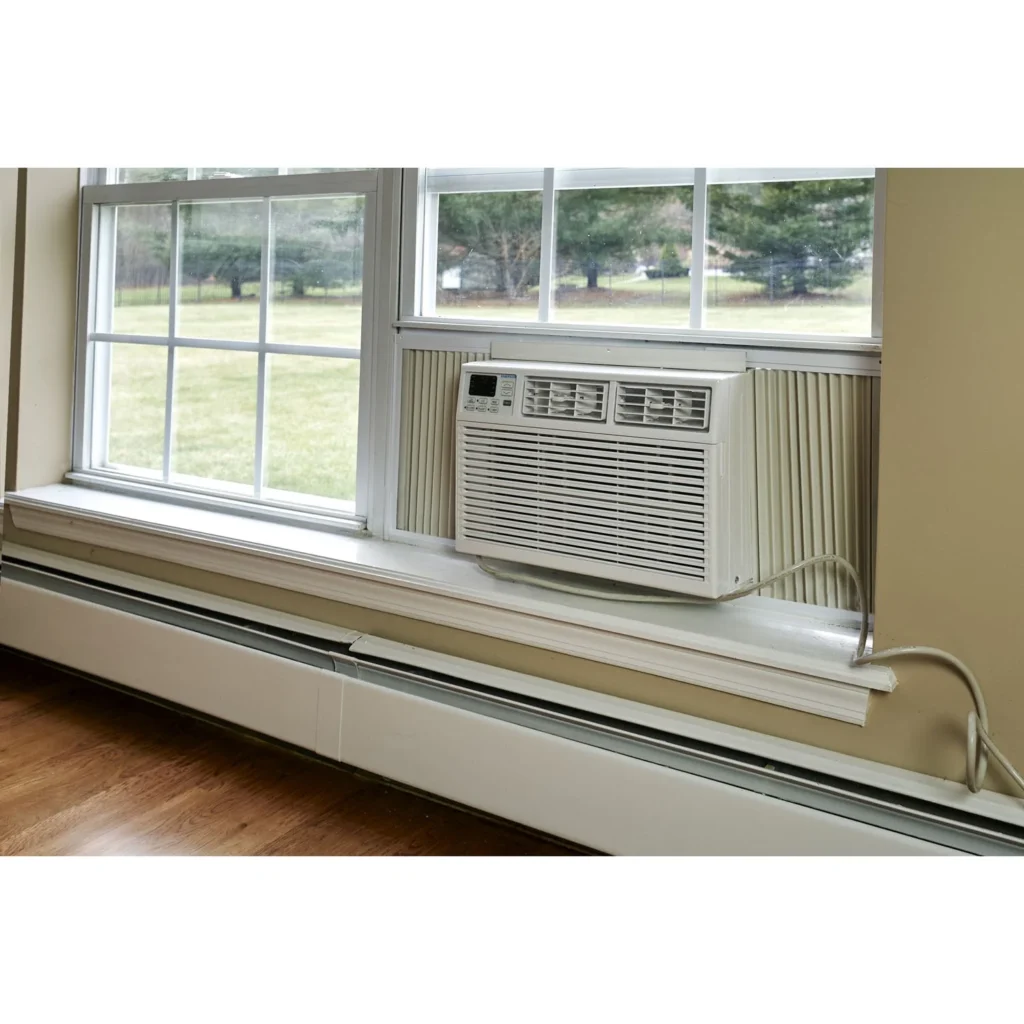
The condenser is responsible for releasing heat outside the room. In window ACs, this part is exposed to outdoor air, making it prone to dirt, leaves, and pollution buildup.
If the condenser is blocked, heat cannot escape efficiently, causing the AC to overheat.
Clean the exterior fins using a soft brush or low-pressure water spray. Make sure power is disconnected before doing this. Keep surrounding areas clear so air can circulate freely.
Trick 4: Check and clean the drainage system
Window ACs produce condensation as they cool air. This water must drain properly. If the drainage pipe is blocked, water may leak inside the room or cause mold growth.
Check the drain hole regularly for clogs caused by dust or algae. Use a thin wire or pipe cleaner to clear it gently. Flushing it with a small amount of warm water can also help.
Proper drainage prevents unpleasant smells and water damage.
Trick 5: Ensure proper installation alignment
A window AC must be slightly tilted outward so that water flows outside instead of inside the room. If the unit is not properly aligned, it can cause leakage and reduced efficiency.
Check the tilt occasionally, especially after cleaning or repositioning the unit. The AC should be firmly fixed in place without any vibration or loose fittings.
A stable installation reduces mechanical stress and noise.
Trick 6: Maintain proper room insulation
Many people overlook this point, but room insulation plays a huge role in AC performance. If cool air escapes easily through gaps in doors or windows, the AC must run longer to maintain temperature.
Seal gaps using weather strips or thick curtains. Keep doors closed while the AC is running. Even small improvements in insulation can significantly reduce electricity consumption.
Trick 7: Clean the blower fan for better airflow
The blower fan distributes cool air evenly throughout the room. Over time, it collects dust and becomes sticky, which affects airflow and can cause unpleasant odors.
Cleaning the blower requires caution. After switching off the unit, carefully access the fan and wipe it using a soft cloth or brush. Avoid applying too much pressure.
A clean blower ensures smooth and strong airflow.
Trick 8: Monitor refrigerant levels
The refrigerant is the chemical responsible for cooling. If levels drop due to leakage, the AC will stop cooling effectively.
Signs of low refrigerant include weak cooling, ice formation on coils, or continuous running without temperature drop.
Unlike other maintenance tasks, refrigerant handling should always be done by a certified technician. Never attempt to refill or repair it yourself.
Trick 9: Avoid overworking the AC
Running a window AC continuously for long hours without breaks puts stress on the compressor. While ACs are designed for extended use, giving them short breaks can improve efficiency.
Set the temperature between 24°C and 26°C for optimal balance between comfort and energy savings. Avoid setting extremely low temperatures, as it forces the compressor to work harder.
Using a timer can also help regulate usage.
Trick 10: Schedule professional servicing at least once a year
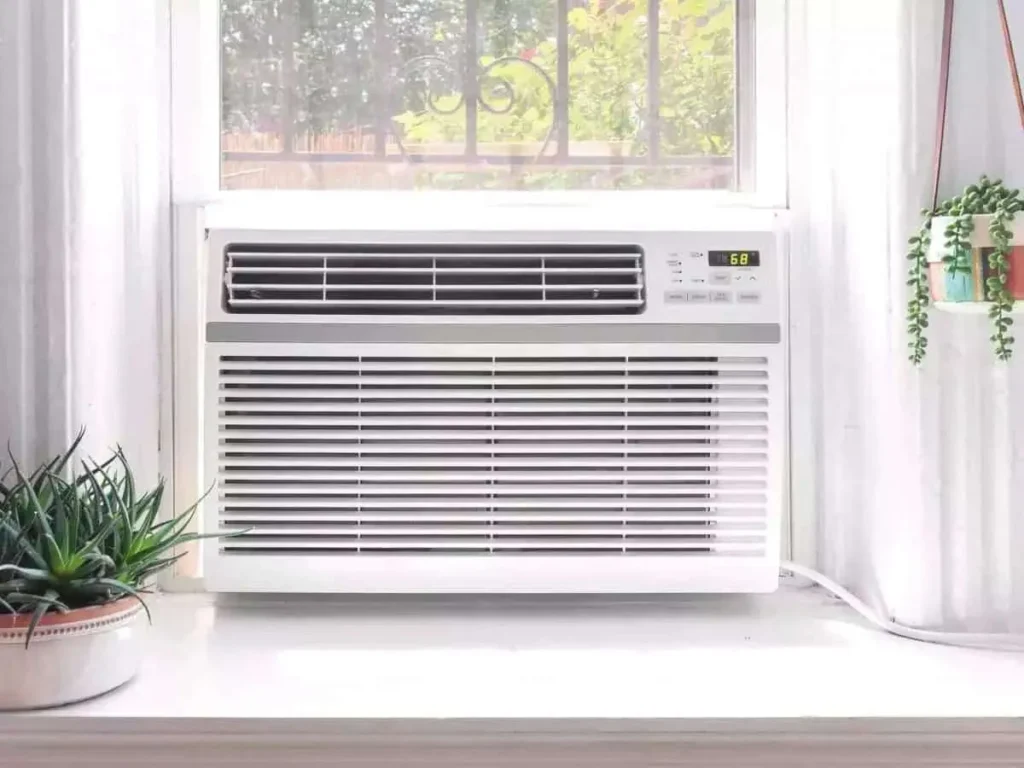
Even with regular home maintenance, professional servicing is essential. Technicians can inspect internal components, check gas pressure, clean deep internal parts, and identify early signs of damage.
Annual servicing helps prevent unexpected breakdowns during peak summer months when repair services are often overloaded.
Think of it as preventive care for your cooling system.
Additional maintenance habits for better performance
Apart from the main tricks, small habits can make a big difference. Turning off the AC when not needed, keeping windows closed during operation, and avoiding heat-producing appliances in the same room all contribute to better efficiency.
Also, avoid smoking or cooking in the same room as the AC, as it increases filter contamination.
Long-term benefits of regular AC maintenance
Consistent maintenance improves cooling performance, reduces electricity bills, and increases the lifespan of the unit. A well-maintained window AC can last several years longer than a neglected one.
It also ensures healthier indoor air, which is especially important for people with allergies or respiratory issues.
In the long run, small maintenance efforts save significant repair and replacement costs.
Conclusion
A window AC is a reliable cooling companion, but only if it is cared for properly. Dust, neglect, and irregular cleaning are the main reasons most units lose efficiency over time.
By following these ten smart maintenance tricks, you can ensure better cooling, lower energy bills, and a longer lifespan for your unit. Most of these steps are simple and can be done at home, while a few require occasional professional help.
Good maintenance is not just about fixing problems—it is about preventing them before they start.
FAQs
- How often should I clean my window AC filters?
You should clean the filters every two weeks during heavy use and at least once a month during lighter use. - Can I clean AC coils myself?
Yes, light cleaning can be done at home using a soft brush, but deep cleaning is better handled by a technician. - Why is my window AC leaking water inside the room?
This usually happens due to a blocked drainage pipe or improper installation tilt. - How long does a window AC normally last?
With proper maintenance, a window AC can last 8–12 years or even longer. - What temperature is best for energy saving?
A temperature between 24°C and 26°C is generally ideal for comfort and efficiency. - Is yearly servicing really necessary?
Yes, professional servicing once a year helps maintain performance and prevents major breakdowns.