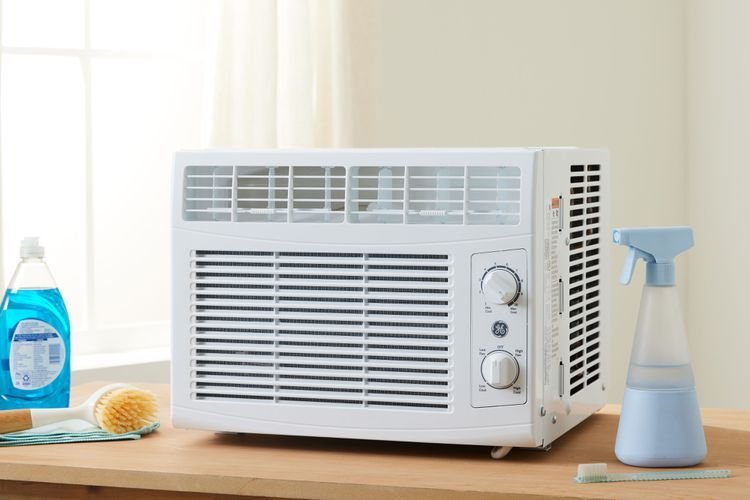
Last summer, my electricity bill shot up by almost 30% in a single month. I hadn’t changed anything — same usage, same thermostat settings. But when I finally pulled out my window AC and took a good look at it, I nearly gagged. The filter looked like a small grey carpet. The coils were coated in dust. The drainage tray had a weird smell coming from it.
That one neglected machine was working twice as hard to cool half as well.
After spending an afternoon actually cleaning it properly (and doing a lot of research along the way), my next bill dropped back down significantly. That experience turned me into someone who actually cares about AC maintenance — not because I enjoy cleaning, but because I’ve felt the difference in my wallet.
So here are 11 cleaning hacks I’ve personally tested and swear by. Nothing fancy, nothing that requires calling a technician.
1. Clean the Filter Every 2 Weeks, Not Every 2 Months
I know, I know — everyone says this. But nobody tells you how much of a difference it actually makes. A dirty filter forces your AC to pull harder, which burns more electricity and cools less effectively. It’s like breathing through a pillow.
Here’s my quick routine:
- Pull the filter out (usually just slides out from the front panel)
- Take it to the sink and rinse under warm water
- Gently scrub with a soft brush if there’s heavy buildup
- Let it air dry completely before reinserting — this is important, don’t rush it
A damp filter can cause mold. I learned that one the hard way.
If your filter looks grey or brown after just two weeks, your room probably has a dust problem worth addressing separately.
2. Use a Fin Comb to Straighten Bent Coil Fins
This one surprised me the most. The aluminum fins on your AC’s evaporator and condenser coils can bend over time — just from regular use and handling. When they’re bent, airflow gets restricted and the unit loses cooling efficiency.
A fin comb costs around $10–$15 on Amazon and takes maybe 20 minutes to use. You just run it through the fins gently, like combing hair. The difference in airflow afterward is noticeable.
Before I knew about this, I assumed bent fins were just cosmetic. They’re not. If you’ve never done this and your AC is more than 2 years old, try it once and you’ll be surprised.
3. Spray the Evaporator Coils with No-Rinse Coil Cleaner
The evaporator coils (inside part) are where most of the cooling actually happens. When they get dusty or grimy, your AC has to work harder to transfer heat — and that means higher bills.
Pick up a can of no-rinse evaporator coil cleaner (brands like Nu-Calgon or AC-Safe are commonly available). Here’s how to use it:
- Turn off and unplug the unit first
- Remove the front panel and filter
- Spray the coil cleaner directly onto the coils
- Let it foam and drip into the drain pan — it cleans as it goes
You don’t need to rinse it off. The condensation from normal operation will flush it through the drain. I do this once a season and it makes a real difference in how fast the room cools down.
4. Deep Clean the Drainage Tray to Prevent Water Leaks
If you’ve ever woken up to a puddle under your window AC, a clogged drain is usually the culprit. The drain tray collects condensation, and over time algae, mold, and debris build up and block the drain hole.
My fix:
- Mix 1 cup of water with 1 cup of white vinegar and a few drops of dish soap
- Pour it into the drain tray and let it sit for 15–20 minutes
- Use a small bottle brush or an old toothbrush to scrub the sides
- Clear the drain hole with a thin wire or pipe cleaner
If you do this once a month during heavy-use season, you’ll avoid almost all water leakage issues. A few people I know who had “broken” ACs got them working again just by clearing a blocked drain.
5. Vacuum the Condenser Coils from the Back
The condenser coils are on the outside-facing part of your window unit. They release heat out of your room, so if they’re clogged with leaves, dust, or cotton from nearby trees, your AC simply can’t do its job properly.
Most people never clean this side. I didn’t for three years.
Use a shop vac or even a regular vacuum with a brush attachment and gently go over the back grille. Don’t press too hard — those fins bend easily. This alone can improve efficiency by a noticeable margin, especially if the AC faces a dusty or leafy area.
If you want to go deeper, check out this guide on 7 Honest Window AC Cleaning Maintenance Guide Lessons I Learned the Hard Way — it covers a lot of the stuff technicians rarely mention to homeowners.
6. Use a Foaming Cleaner on the Fan Blower Wheel
The blower wheel (the cylindrical fan inside the unit) collects dust like crazy. Because it spins fast and moves air constantly, dust and grime stick to the blades and reduce airflow — and it can also make that annoying musty smell.
Getting to it requires removing the front panel and sometimes a few screws to access the inner housing. Once you can see it:
- Spray a foaming AC cleaner directly onto the blades
- Let it sit for 5–10 minutes
- Wipe down with a damp cloth or soft brush
If your AC has been smelling slightly musty even after filter cleaning, this is almost certainly where the smell is coming from.
7. Seal the Gaps Around the Unit with Foam Tape
Okay, this one isn’t strictly “cleaning” but it’s a maintenance hack that directly saves money, so I’m including it.
The foam weatherstripping that comes with most window ACs deteriorates within a season or two. Once it’s worn out, hot outside air seeps in around the sides of the unit, and your cooled air leaks out. Your AC then runs longer to maintain temperature — and your bill climbs.
Pick up a roll of foam weatherstrip tape (the kind used for door sealing works perfectly). Pull out the old foam, clean the surface, and press the new tape into place. Takes 15 minutes. Lasts a full season.
8. Wipe Down the Exterior Vents with a Microfiber Cloth Weekly
The exterior vents — those louvers that direct airflow — collect dust on their edges and can eventually affect how air is distributed in the room. More importantly, if those vents look dusty, dust is also building up inside.
I keep a microfiber cloth near my AC and wipe down the front vents every week during summer. It takes two minutes. The upside beyond just cleanliness is that you’re also doing a quick visual check on the unit — noticing if anything looks off, sounds different, or if there’s moisture forming where it shouldn’t be.
Small habits like this caught a minor drainage issue for me early before it became a puddle problem.
9. Use a Diluted Bleach Solution to Kill Mold in the Drain Pan
Mold in an AC unit is genuinely bad. It doesn’t just smell awful — it circulates spores through the air you’re breathing. I found mold in my drain pan once and it was a wake-up call.
Once a month during peak summer:
- Mix 1 tablespoon of bleach in 1 gallon of water
- Pour a small amount into the drain pan
- Let it sit for 10–15 minutes, then flush with clean water
You can also add a few drain pan tablets (available in HVAC supply stores) that slowly release a biocide and prevent algae growth all season. They cost almost nothing and eliminate one of the most annoying maintenance tasks.
For more detailed seasonal routines, 8 Easy Window AC Cleaning Maintenance Guide Steps for Smooth Performance breaks it down month by month really well.
10. Check and Clean the Air Intake Grille Behind the Unit
Most window AC units have an air intake grille on the back that pulls in room air to cool. This part often gets ignored because it faces the room and people assume it stays clean. It doesn’t.
Hair, pet dander, dust bunnies — they all accumulate here. Once a month, use a vacuum with a brush attachment to clean the intake grille. If you can remove it, wash it under warm water.
Here’s a quick comparison of how cleaning frequency affects performance:
| Cleaning Frequency | Estimated Efficiency Loss | Energy Bill Impact |
|---|---|---|
| Never cleaned | 20–30% loss | High increase |
| Once per season | 10–15% loss | Moderate increase |
| Monthly cleaning | 5% or less loss | Minimal impact |
| Every 2 weeks | Near-optimal | Lowest bills |
This table is based on general HVAC industry estimates, but the pattern holds true in my experience. The difference between “never cleaned” and “regularly maintained” is genuinely significant on a summer electricity bill.
11. Do a Full Deep Clean Before and After the Season
The two most important cleans of the year are the ones that bookend the season. Before you turn it on in spring or summer, and before you store it (or cover it) in fall.
Pre-season deep clean checklist:
- Clean filter
- Spray evaporator coils with no-rinse cleaner
- Vacuum condenser coils from back
- Clean drain pan and clear drain hole
- Check and replace foam weatherstrip
- Wipe down all vents and grilles
- Test run for 10 minutes and check for unusual sounds or smells
Post-season checklist:
- Everything above, plus:
- Remove any standing water from drain pan completely
- Let the unit dry out fully before covering
- Store or cover to keep out dust and pests
Common Mistakes That Cost People Money
A few things I’ve seen (and done) that just make things worse:
Using a pressure washer on coils — way too much force. Bends fins, damages components. A gentle spray from a garden hose is the max pressure you should use on the exterior coils.
Reinserting a wet filter — leads to mold growth, musty smell, and can damage the coil. Always dry completely.
Ignoring the drain pan for months — algae builds up, drain clogs, water leaks inside your wall. Not fun.
Cleaning only the filter and nothing else — the filter is the easiest part. The coils, blower, and drain are where real efficiency loss happens.
Spraying water directly into the electrical components — seems obvious, but people do it. Always unplug first, and be careful around the control board and wiring.
A Note on Tools Worth Buying
You don’t need to spend much to maintain a window AC properly. Here’s what I keep on hand:
- No-rinse evaporator coil cleaner (~$10–$15 a can, one can lasts two seasons)
- Fin comb set (~$10–$15)
- Foam weatherstrip tape (~$8–$12 a roll)
- Drain pan tablets (~$10 for a season’s supply)
- Microfiber cloths (reusable, already own them)
- Small bottle brush (~$5)
Total investment: under $60, and most of it lasts multiple seasons. Compare that to the $100–$200+ a technician charges for a basic service call, and the math is pretty obvious.
Regular AC maintenance is one of those things where the upfront effort genuinely pays back. I used to ignore my unit completely and wonder why my bills were high and my rooms weren’t cooling well. Now a quick monthly routine keeps everything running smoothly — and I haven’t needed a technician visit in two years.
If you want to take this further and understand what the pros actually look for during a service, 10 Secret Window AC Cleaning Maintenance Guide Tricks AC Technicians Use is genuinely worth reading — a lot of what’s in there isn’t common knowledge.
Also worth reading: 9 Essential Window AC Cleaning Maintenance Guide Tips I Learned After Repairs — written from real post-repair experience, with tips that most people only find out about after something goes wrong.