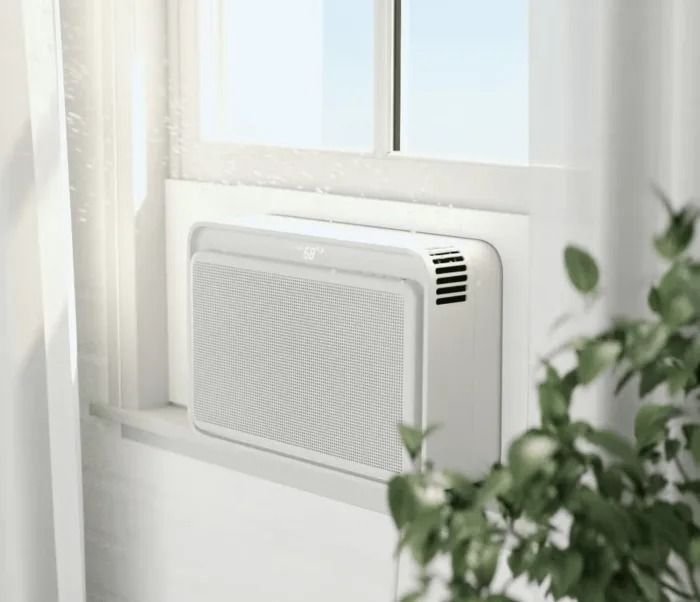
Last summer, I walked into my bedroom after work, turned on my window AC, and got hit with the most unpleasant musty smell. It wasn’t subtle — it was like someone had shoved wet socks inside the unit and let them sit there for a month. I tried ignoring it for a few days (bad idea), then started spraying air fresheners around the room (even worse idea — it just mixed the smells).
That’s when I finally decided to actually fix the problem instead of masking it.
After a full weekend of cleaning, testing, and learning a few things the hard way, the smell was completely gone. The air felt fresher, the unit ran better, and honestly, I couldn’t believe I had waited so long to do it.
If your window AC is giving off bad smells — musty, sour, or even burning — here are 6 tips that actually worked for me.
1. Clean or Replace the Air Filter First — Seriously, Start Here
I know everyone says this, but I used to underestimate how much the filter actually affects the smell. When I finally pulled mine out, it looked like a gray carpet. Dust, lint, maybe a few things I didn’t want to identify.
A dirty filter doesn’t just block airflow — it becomes a breeding ground for mold and bacteria, especially in humid climates. And every time the AC runs, it blows that contaminated air straight into your room.
What I did:
- Removed the front panel (usually just clips or two screws — no tools needed for most units)
- Took the filter outside and tapped it against the wall to knock off loose dust
- Soaked it in warm water with a few drops of dish soap for about 15 minutes
- Rinsed it thoroughly and let it air dry completely before putting it back
If the filter looks damaged, bent, or the mesh is torn — just replace it. A new filter costs almost nothing and makes a massive difference.
One mistake I made: I put the filter back when it was still slightly damp. Big mistake. That dampness caused more mildew smell within a day. Let it dry fully — a few hours in the shade does the job.
2. Clean the Evaporator Coils (This Is Where the Real Smell Hides)
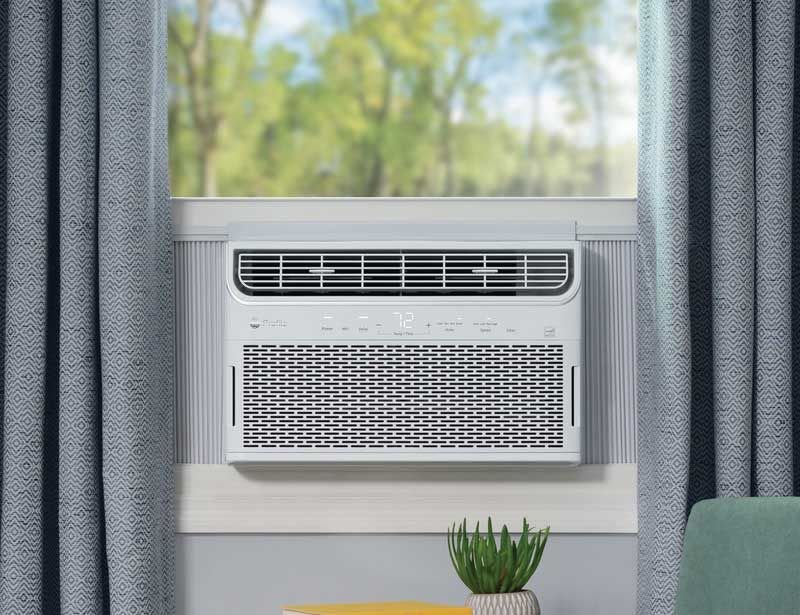
Most people clean the filter and call it a day. But if the smell is still there after that, the evaporator coils are usually the culprit.
These coils sit just behind the filter and are constantly wet because they condense moisture from the air. That moisture, combined with dust that sneaks past the filter, creates a mold and mildew situation that’s hard to ignore once it gets going.
You don’t need to be an AC technician to clean these. Here’s what worked for me:
What you’ll need:
- A no-rinse coil cleaner spray (I used one from a local hardware store — brands like Nu-Calgon or similar work well)
- A soft brush or old toothbrush
- A flashlight to actually see what you’re doing
Steps:
- Turn off the unit completely and unplug it
- Remove the filter so you can access the coils
- Use the flashlight to look at the fins — if they’re dark or you can see buildup, that’s your problem
- Spray the coil cleaner on the fins evenly
- Let it foam and sit for about 5–10 minutes (it self-rinses as the condensation drips down)
- Turn the AC back on after 15 minutes — the condensate water will flush the cleaner out naturally
The no-rinse sprays are genuinely convenient. After I did this, the musty smell dropped by maybe 80%. Combined with the clean filter, the air in my room felt completely different.
For more detail on maintaining these internal parts properly, check out 8 Essential Window AC Cleaning Maintenance Guide Tasks Most People Ignore.
3. Don’t Ignore the Drain Pan — Standing Water Smells Awful
This one surprised me. I had no idea there was a drain pan sitting at the bottom of my window AC collecting water. When I finally looked at it, there was a small amount of stagnant water sitting in there with what looked like a thin layer of slime.
That standing water is a direct source of bad smells. The warm, moist environment is perfect for bacteria and mold to grow, and when air passes over it, the smell gets circulated into your room.
How to clean it:
- Pull the unit out of the window if possible, or tilt it slightly to drain standing water
- Use a sponge or cloth to wipe out the pan completely
- Mix a solution of equal parts white vinegar and water
- Wipe down the pan with that solution and let it sit for a few minutes
- Rinse and dry before reassembling
White vinegar is great here because it kills mold and bacteria without leaving any chemical residue or strong smell of its own (the vinegar smell fades quickly).
I clean my drain pan every 4–6 weeks now during summer. It takes about 10 minutes and makes a noticeable difference in air quality.
4. Spray the Interior with a Diluted Vinegar or Enzyme Cleaner Solution
After doing the filter, coils, and drain pan, I still had a faint smell lingering. That’s when I started spraying the interior housing of the unit itself.
Surfaces inside the AC — the walls of the casing, the blower fan blades, any plastic parts — can collect thin layers of dust and moisture over time. On their own, they don’t smell much. But combined with mold spores and bacteria, they contribute to that overall stale odor.
What I used:
- A spray bottle with 1 part white vinegar and 1 part water
- OR a product called BioKleen Bac-Out — an enzyme-based cleaner that’s excellent for odor-causing bacteria
I lightly sprayed the interior surfaces (avoiding any electrical components — be careful here), wiped them down with a cloth, and let everything air out for 30 minutes before turning the unit back on.
Enzyme cleaners work differently from regular sprays — they actually break down the organic matter that causes the smell rather than just covering it up. If vinegar alone isn’t cutting it for you, try an enzyme-based product. It made a real difference for me.
Important: Do not spray anything directly on wiring, electrical contacts, or the control board. Stick to the plastic housing, drain pan area, and blower fan blades only.
This approach aligns with what most AC professionals actually use when doing a deep clean, as covered in 10 Secret Window AC Cleaning Maintenance Guide Tricks AC Technicians Use.
5. Clean the Blower Fan Blades — They’re Dirtier Than You Think
The blower fan (sometimes called the squirrel cage fan) is the cylindrical fan that pulls air over the coils and pushes it into your room. Because it’s always moving air, it collects a layer of dust and grime on every blade over time.
When that dusty layer gets moist — which it will, given the humidity inside an AC unit — it starts to smell. And since the fan is literally what pushes air toward you, it directly delivers that smell into your room.
Getting to the blower fan usually requires removing the outer casing of the unit, which varies by brand. Some units make this easy; others are a bit more involved. Check a YouTube video for your specific model if you’re unsure — it’s usually just a few screws.
Cleaning the blower fan:
- Use a soft brush or old toothbrush to gently scrub each blade
- Wipe down with a damp cloth with your vinegar solution
- For stubborn buildup, a mild all-purpose cleaner works well
- Let it dry completely before reassembling
I was genuinely shocked at how much gunk came off the fan blades on my unit. It was caked with dark gray buildup on almost every blade. After cleaning, the airflow actually felt stronger and the remaining smell basically disappeared.
6. Run the Fan-Only Mode for 30 Minutes Before Shutting Down
This one is a habit change rather than a one-time cleaning step, but it’s made a huge difference in preventing smells from coming back.
Here’s the thing most people don’t realize: when you turn off your AC, the evaporator coils are still cold and damp. That moisture sits there until the unit warms up again. In humid conditions, that’s enough to encourage mold and mildew growth over time — especially if you’re turning the unit on and off daily.
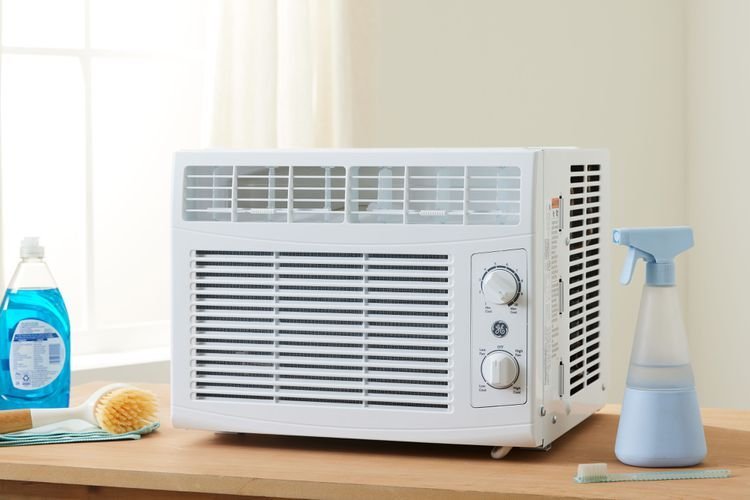
The fix: Before shutting off your AC completely, switch it to fan-only mode for about 20–30 minutes. This lets the coils dry out before everything sits idle.
Not all window AC units have a dedicated fan-only mode. Check your remote or the unit’s control panel. Many modern units do have it — I found it on mine and just hadn’t noticed it before.
If your unit doesn’t have a fan-only mode, try setting it to the highest temperature setting while still running — it won’t cool, but the airflow will help dry things out a bit.
Since I started doing this consistently, I’ve noticed the musty smell doesn’t return between cleanings the way it used to. It’s a small habit that adds up to a real difference.
Common Mistakes That Made My Smell Problem Worse
Since I’ve made most of these mistakes myself, it’s worth calling them out:
| Mistake | Why It Makes Things Worse |
|---|---|
| Using air fresheners instead of cleaning | Just masks the smell temporarily, mold keeps growing |
| Putting filter back while still damp | Creates new mildew growth within 24–48 hours |
| Only cleaning the filter and nothing else | Coils, fan, and drain pan remain dirty |
| Spraying bleach inside the unit | Can corrode metal parts and is too harsh for plastic components |
| Skipping the drain pan | Standing water is a major smell source |
| Not drying parts before reassembling | Moisture + dark enclosed space = mold paradise |
The bleach one is worth emphasizing. I’ve seen this recommended online and it’s genuinely bad advice for AC units. Bleach is corrosive on aluminum fins and can damage plastic components. Stick to vinegar or enzyme-based cleaners.
How Often Should You Clean Your Window AC?
Based on my experience — and honestly, a few mistakes that made me have to clean things twice — here’s a rough schedule that works well:
| Task | Frequency |
|---|---|
| Air filter cleaning | Every 2–3 weeks (more in dusty environments) |
| Drain pan cleaning | Every 4–6 weeks during heavy use |
| Evaporator coil cleaning | Once at the start of summer, once mid-season |
| Full interior wipe-down | Every 2 months |
| Blower fan cleaning | Once a season, or when smells persist |
You don’t have to stick to this rigidly. If your air starts smelling off again, that’s your unit telling you it’s time to clean something. Trust that signal — I used to ignore it and always paid for it later with a worse job to do.
For a complete seasonal checklist, 9 Essential Window AC Cleaning Maintenance Guide Tips I Learned After Repairs has a really solid breakdown worth bookmarking.
What If the Smell Comes Back Quickly?
If you’ve done all six of these things and the smell returns within a week or two, there are a few things to investigate:
Check for a refrigerant leak. A sweet or chemical smell (different from musty/mildew odor) can indicate a refrigerant issue. That’s not a DIY fix — you’ll need a technician.
Check the room humidity. If your room is extremely humid, the AC is fighting harder to dehumidify and the coils may stay wet longer. A separate small dehumidifier can help significantly.
Check the window seal. If the gap around your AC unit isn’t properly sealed, outside air (and sometimes insects or debris) can enter and contribute to smell problems. Re-sealing with foam weatherstripping is a quick fix.
Consider the unit’s age. If it’s more than 8–10 years old and consistently smells despite regular cleaning, the internal components may have accumulated too much buildup to recover fully. At that point, replacement might make more financial sense than ongoing repairs.
Cleaning a smelly window AC is one of those jobs that seems intimidating until you actually do it. The first time took me a whole Saturday afternoon. Now I can run through the full process in under an hour because I know exactly what to check and in what order.
The key is not skipping steps and not putting things back wet. Do those two things, and the smell problems usually stay gone.
Also worth reading: 11 Easy Window AC Cleaning Secrets I Wish I Knew Sooner — some genuinely useful tricks in there that I’ve added to my own routine since.