
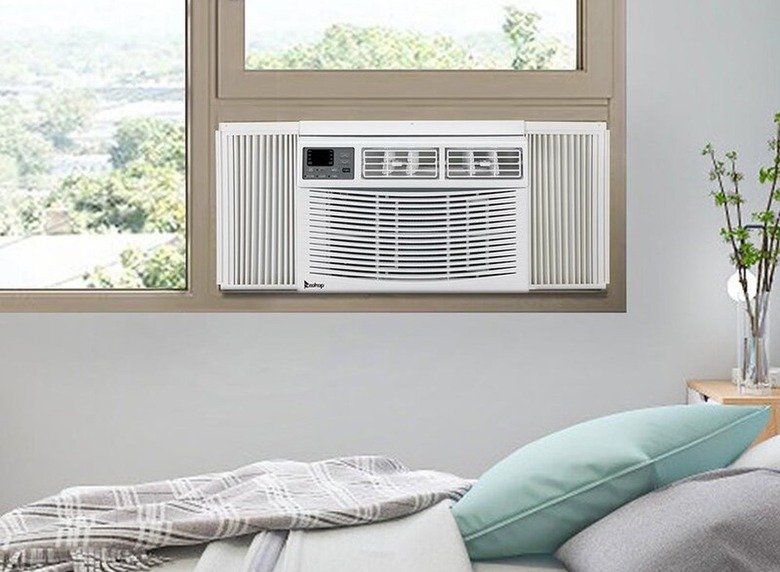
Last summer, my window AC unit started blowing air that felt lukewarm at best. It was a brutal July afternoon in Karachi, the kind where the pavement shimmers and you’re sweating before you even step outside. I turned the unit up to max cool, heard it hum louder than usual, and nothing changed. I almost called a technician.
Instead, I decided to dig in myself. What I found inside that unit was genuinely embarrassing — a filter so clogged it looked like a felt carpet, coils coated in grime, and drainage holes completely blocked. Two hours later, the room was cold again. No technician, no expensive repair bill.
That experience taught me that most window AC problems aren’t mechanical failures. They’re maintenance failures. And fixing them is way more straightforward than people think.
Here’s what actually worked for me — and what I’ve seen work for neighbors, family members, and friends who’ve had the same issues.
1. Clean the Air Filter — Seriously, Just Do It
This sounds obvious. I know. But you’d be amazed how many people either forget or assume someone else did it.
A dirty filter is the single most common reason a window AC underperforms. It restricts airflow, makes the compressor work harder, raises electricity bills, and can eventually freeze up the evaporator coils. I learned this the hard way with my own unit.
How to do it properly:
- Turn the unit off and unplug it before touching anything.
- Slide the front panel off (usually just two clips or a gentle pull).
- Remove the filter — it’s that mesh panel sitting right behind the grille.
- Hold it up to the light. If you can’t see through it, it needed cleaning yesterday.
- Rinse it under warm running water. Use a soft brush if the dust is caked on.
- Let it dry completely before putting it back. A wet filter can cause mold growth.
Do this every two to three weeks during heavy-use months. Once a month in lighter use seasons. It takes ten minutes and the difference in cooling is immediate and noticeable.
2. Straighten the Condenser Fins With a Fin Comb
This is the fix most people have never heard of but wish they’d discovered sooner.
The metal fins on the back of your window AC (the outdoor-facing side) are fragile aluminum slats that channel airflow over the condenser coils. Over time — from hail, debris, curious pets, or just rough handling — these fins get bent. Bent fins block airflow and reduce cooling efficiency significantly.
A fin comb costs around $8–$12 on Amazon or at any HVAC supply store. It’s a small plastic or metal tool with teeth that slide between the fins and gently straighten them back into alignment.
Before you do this, make sure the unit is unplugged. Then carefully run the fin comb through any crushed or bent sections. Work slowly and in the direction of the fins — not across them. You’ll see and feel the difference almost immediately, and the airflow from the back of the unit improves noticeably.
I did this on an older unit that had been jostled during installation, and it immediately stopped making that rattling noise everyone just assumes is “normal.”
3. Unclog the Drain Hole and Clean the Drain Pan
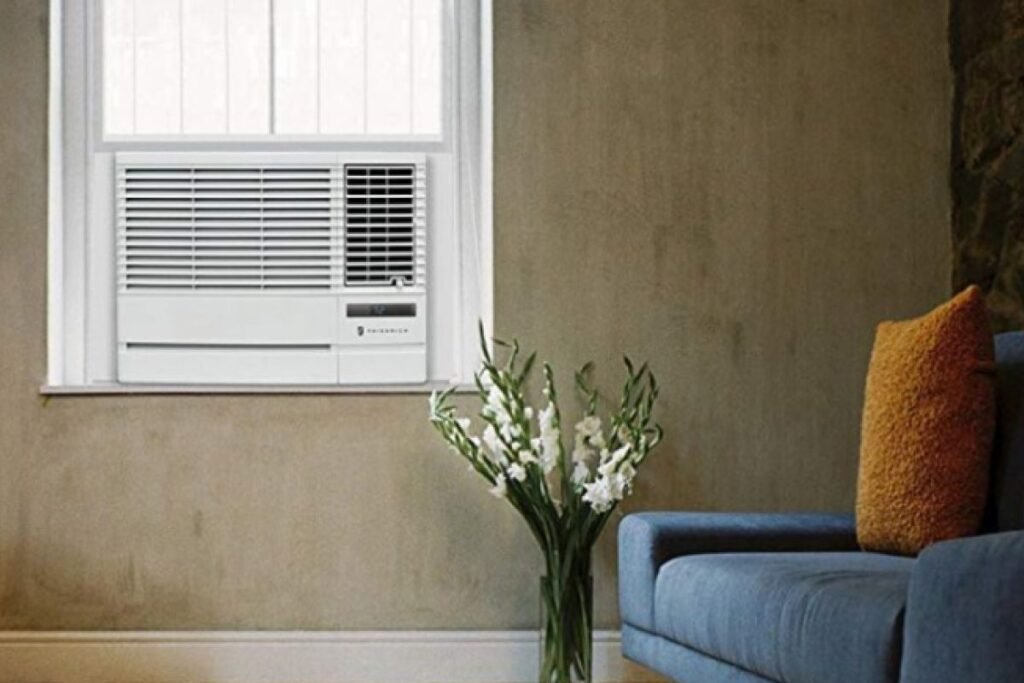
Window ACs pull moisture out of the air as they cool — that’s how dehumidification works. That water has to go somewhere. It collects in a drain pan at the bottom and exits through a small drain hole, usually at the back of the unit.
When that drain hole gets blocked — by algae, mold, dust, or debris — water backs up. That’s when you get water leaking inside your home, musty smells, or the unit shutting off unexpectedly.
The fix:
- Unplug the unit and tilt it slightly toward the back (outside).
- Remove the casing if possible and locate the drain pan.
- Use a thin wire, a straightened paper clip, or a small pipe cleaner to clear the drain hole.
- Pour a small amount of diluted white vinegar into the pan — it kills algae and mold without damaging the unit.
- Wipe the pan clean with a cloth.
This took me about 20 minutes the first time I did it. Now I check the drain every time I clean the filter. It’s become automatic.
If you want more detail on dealing with water leakage from your AC, this guide on 10 Easy Window AC Cleaning Maintenance Guide Fixes for Water Leakage covers the issue from multiple angles.
4. Check the Seal Between the Unit and the Window Frame
Here’s one people overlook completely: the foam seal around the edges of your installed window AC.
That foam is there for a reason. When it deteriorates or gets compressed over time, warm outside air seeps into the room alongside the cool air your unit is generating. You’re essentially trying to cool the outdoors. It makes the unit run constantly and never quite reach the set temperature.
Run your hand around the perimeter of the unit while it’s running. Feel any warm air coming in from the edges? That’s your problem.
The fix is simple:
- Buy self-adhesive foam weather stripping from any hardware store (it’s cheap — under $5 for a roll).
- Remove the old foam completely.
- Measure and cut the new strips to fit all four sides.
- Press them firmly into the gaps.
Also check the accordion side panels — those plastic expandable wings that fill the window gaps on either side of the unit. Over time, they crack or don’t seal properly. Replace them if needed or use foam tape to seal any gaps.
This single fix reduced the time my AC ran per hour by a noticeable margin. The room reached temperature faster and the unit cycled off sooner.
5. Clean the Evaporator Coils (The Ones Inside)
The evaporator coils sit inside the unit, right behind the filter. They’re cold metal tubes that absorb heat from your room. Dust, pet hair, and general airborne grime stick to them over time and form an insulating layer that reduces their ability to absorb heat.
This means your AC works harder and cools less. Not a great trade.
What you’ll need:
- A soft brush or old toothbrush
- A can of coil cleaner foam (available online or at hardware stores — Nu-Calgon Evap Foam is a good one)
- Gloves and a cloth
Spray the foam onto the coils, let it sit for the time indicated on the can, and it will break down the grime. The condensation water that drips off the coils during operation then rinses them clean naturally. Wipe down what you can reach with a soft cloth.
One important thing: be gentle. These coils are fragile, and aggressive scrubbing can damage them. Also avoid using any bleach-based cleaners — they can corrode the aluminum.
Do this once a season or whenever the unit starts smelling musty even after you’ve cleaned the filter.
If you’re also dealing with weak airflow, here’s a good resource: 8 Proven Window AC Cleaning Maintenance Guide Tricks to Fix Airflow Problems.
6. Tighten Loose Parts and Check for Vibration Sources
If your unit rattles, buzzes, or vibrates loudly, the problem is almost never the compressor. It’s almost always something loose.
I once spent two weeks assuming my compressor was dying because of a relentless buzzing noise. Turned out a single screw on the front panel had worked itself loose over a season of use.
Common vibration causes and their fixes:
| Problem | Likely Cause | Fix |
|---|---|---|
| Buzzing from front panel | Loose screws | Tighten with a screwdriver |
| Rattling from side panels | Loose accordion flaps | Reattach or tape them |
| Vibration against window frame | Unit not level | Re-level with a spirit level |
| Noise from inside unit | Loose fan blade | Tighten blade set screw |
| Hum from outdoor side | Debris on fan | Remove casing and clear debris |
Go over every visible screw on the casing once a season. It takes five minutes with a basic screwdriver. Tighten anything that moves when you press it. You’ll be amazed how much quieter the unit gets.
Also check that the unit is level or tilts very slightly toward the outside. A backward tilt causes water to pool inside, which leads to both drainage problems and those annoying sloshing sounds.
7. Deep Clean the Fan Blades
The blower fan inside your window AC moves air through the unit. Over time, dust and moisture combine on the fan blades to form a thick, uneven coating. This throws the fan off-balance, reduces airflow, creates noise, and makes the motor work harder.
Getting to the fan requires removing the casing — not complicated, but it takes a few extra minutes.
Steps:
- Unplug the unit. Always.
- Remove all screws from the casing and gently lift it off.
- Locate the cylindrical blower fan (it looks like a barrel with fins around it).
- Mix warm water with a small amount of dish soap.
- Use a soft brush — an old paintbrush works well — to clean each blade.
- Wipe down with a damp cloth and let it dry before reassembling.
While you’re in there, also wipe down the inner walls of the housing. It’s usually coated with a film of dust and grime that restricts airflow even if everything else is clean.
A clean fan moves more air with less energy. If your unit has been sounding labored or the airflow seems weak despite a clean filter, this is almost always why.
Common Mistakes People Make (That I’ve Made Too)
Skipping the “unplug before touching” step. I know it feels unnecessary, but window ACs have capacitors that store charge even after being turned off. Always unplug first.
Using too much water inside the unit. Wiping with a damp cloth is fine. Spraying water directly into the unit is not. Water and electrical components don’t get along.
Putting a wet filter back. A damp filter grows mold within 24 hours in humid conditions. Let it dry completely — even if it takes an hour.
Ignoring the smell. A musty or sour smell from your AC isn’t just unpleasant — it means mold or bacteria is growing inside. That air is blowing into your living space. Don’t ignore it.
Waiting too long between cleanings. If you only clean when something goes wrong, you’re already dealing with reduced efficiency and potential damage. Preventive maintenance on a regular schedule is always cheaper than repairs.
For a broader look at habits that keep your unit running well, 7 Smart Window AC Cleaning Maintenance Guide Habits That Prevent Breakdowns is worth bookmarking.
A Simple Maintenance Schedule to Follow
Here’s the schedule I personally use, adapted from trial, error, and one very uncomfortable summer without proper AC:
| Frequency | Task |
|---|---|
| Every 2–3 weeks | Clean the air filter |
| Monthly | Check the drain hole and pan |
| Once per season | Clean evaporator coils, fan blades |
| Once per season | Check window seal and foam strips |
| Once per season | Tighten all screws and check levelness |
| Once per season | Clean condenser fins with fin comb |
Stick to this and your window AC will perform noticeably better, last significantly longer, and cost you less to run. I track mine on a basic notes app — just dates and what I did. Nothing fancy needed.
Final Thoughts
None of these fixes require professional skills or expensive tools. A screwdriver, a fin comb, a brush, some white vinegar, and an hour of your time will handle most of what goes wrong with a window AC unit.
The biggest shift for me was going from reactive to proactive. Instead of waiting for the unit to perform badly and then trying to diagnose it, I started treating it like a car — regular, scheduled maintenance to prevent problems rather than fix them.
The unit I almost threw out last summer is still running cold and quiet two summers later. Same unit. Just maintained properly.
If you want to go deeper on the energy-saving side of window AC maintenance — because a well-maintained unit also uses noticeably less electricity — check out 9 Proven Window AC Cleaning Maintenance Guide Tips for Better Cooling Efficiency.