Introduction
Window air conditioners are those trusty little machines that sit in your window, humming away during the hottest months, keeping your space cool and comfortable. But let’s be honest, how often do we really think about them beyond flipping the switch on? If you’re like most people, maintenance probably isn’t at the top of your to-do list until something goes wrong—like when it starts blowing warm air or making weird noises. That’s where things get tricky. Proper cleaning and maintenance can extend the life of your unit, save you money on energy bills, and prevent those unexpected breakdowns that always seem to happen on the hottest day of the year.
I’ve had my share of AC mishaps over the years. Living in a small apartment with an old window unit, I once ignored a rattling sound for weeks, only to find out it was a loose fan blade that could have been fixed easily if I’d caught it sooner. Stories like that are common, and they highlight why understanding the ins and outs of AC care is so important. In this guide, we’re diving into seven secret mistakes that even seasoned homeowners make when it comes to cleaning and maintaining their window AC units. These aren’t the obvious ones like “never clean the filter”—we’re talking about the subtle errors that sneak up on you and cause big problems down the line. By avoiding these, you’ll keep your AC running smoothly and efficiently. Let’s get into it, step by step, so you can apply these tips today and breathe easier—literally.
Mistake 1: Overlooking the Importance of Pre-Cleaning Preparation
One of the sneakiest mistakes people make is jumping straight into cleaning without any prep work. You might think, “Hey, it’s just a quick wipe-down,” but that’s where things go south. Window AC units are exposed to all sorts of dust, pollen, and outdoor grime, and if you don’t prepare properly, you could end up pushing that dirt deeper into the system or even damaging components.
Think about it this way: imagine washing your car without first removing the loose leaves or bird droppings. You’d just smear everything around, right? The same principle applies here. Before you even touch a cloth or spray bottle, you need to unplug the unit completely. Safety first—electricity and water don’t mix, and a live unit could lead to shocks or short circuits. I’ve heard stories from friends who skipped this and ended up with fried wiring, turning a simple clean into a costly repair.
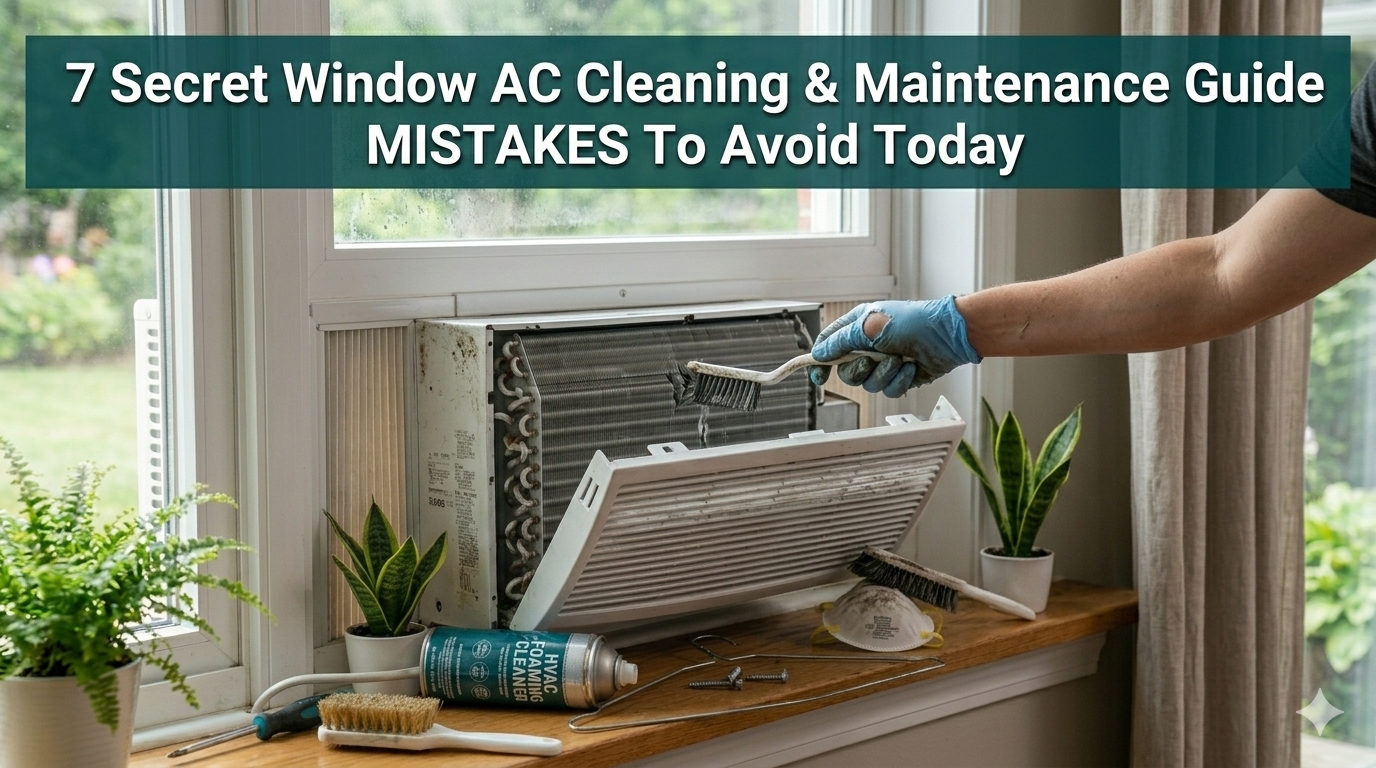
Next, remove the front panel or grille. Most window units have clips or screws that make this easy, but check your model’s manual if you’re unsure. Once that’s off, inspect for any visible debris like leaves or insects that might have nested inside. Use a soft brush or vacuum with a brush attachment to gently remove this stuff. Don’t use compressed air yet; that comes later. The key is to create a clean slate so your actual cleaning efforts aren’t wasted.
Why is this a mistake to avoid? Skipping prep can lead to incomplete cleaning, where dirt builds up over time, reducing airflow and efficiency. Your AC has to work harder, spiking your energy bills by up to 20%, according to some energy experts. Plus, neglected debris can cause mold growth, which isn’t just bad for the unit—it’s a health hazard, especially if you have allergies.
To dodge this pitfall, set aside at least 15-20 minutes for prep. Gather your tools: gloves, a screwdriver, vacuum, and maybe a flashlight to see into those dark corners. If your unit is particularly dirty, consider doing this outdoors to avoid messing up your living space. A little foresight here goes a long way in keeping your AC in top shape.
Expanding on this, let’s talk about the environment around your AC. If it’s installed in a window facing a busy street or near trees, prep becomes even more crucial. Pollen and exhaust fumes can cake onto the exterior, and without removing them first, your cleaning solutions might not penetrate effectively. I remember one summer when my AC was under a maple tree—leaves everywhere. I learned the hard way that vacuuming first saved me hours of scrubbing later.
In terms of frequency, aim to do this prep monthly during peak usage seasons. It’s not just about cleanliness; it’s about preventing wear and tear on the fan and motor. Over time, built-up grime can unbalance the fan blades, leading to vibrations that loosen other parts. Vibration issues are sneaky—they start small but can escalate to major repairs.
Another angle: consider the type of filter your unit has. Some are washable, others disposable. During prep, always remove and inspect the filter. If it’s disposable and clogged, replace it immediately. Washable ones should be rinsed under lukewarm water with mild soap, then air-dried completely before reinstalling. Rushing this drying step is a sub-mistake within this one—moisture left behind invites rust and mold.
Ultimately, pre-cleaning prep is like laying the foundation for a house. Skip it, and everything else crumbles. By making this a habit, you’ll notice your AC runs quieter and cooler, and you’ll avoid those surprise service calls that hit your wallet hard.
Mistake 2: Using Harsh Chemicals on Delicate Components
Now, onto something that trips up a lot of folks: grabbing the strongest cleaner in your cabinet thinking it’ll do the job better. Window AC units have sensitive parts like aluminum fins, copper coils, and plastic housings that can be damaged by abrasive or acidic chemicals. Bleach, ammonia-based cleaners, or even some all-purpose sprays can corrode these materials, leading to leaks or reduced cooling capacity.
Picture this: you’re spraying down the coils with a heavy-duty degreaser, feeling productive, but unbeknownst to you, it’s eating away at the protective coating. Months later, your AC starts leaking refrigerant, and you’re looking at a hefty bill. This happened to a neighbor of mine—he used oven cleaner on his unit because it “cut through grease,” only to find his coils pitted and inefficient.
The right approach? Stick to mild, AC-specific cleaners or a simple mix of dish soap and water. For coils, a no-rinse coil cleaner is ideal—it foams up, lifts dirt, and rinses away with condensate. Always test any cleaner on a small, inconspicuous area first. And remember, less is more; over-saturating can lead to water damage in electrical areas.
Consequences of this mistake are serious. Corroded fins bend easily, blocking airflow and forcing the compressor to overwork, which shortens its lifespan. Energy efficiency drops, and you might see your bills climb. Worse, if refrigerant leaks, it’s not just expensive—it’s environmentally harmful.
To avoid it, read labels carefully. Look for products labeled safe for HVAC use. If you’re DIY-ing, vinegar diluted with water can handle mild buildup without harm. Apply with a spray bottle, let it sit for 10-15 minutes, then rinse gently with a hose on low pressure. Dry thoroughly with a fan or by letting it air out.
Diving deeper, different AC models have varying sensitivities. Older units with steel components might tolerate stronger cleaners, but modern ones with aluminum are more vulnerable. Check your manual for recommendations. If you’re in a humid area, fungal growth is common, so an antimicrobial spray might be needed, but again, choose wisely.
Personal tip: I keep a dedicated spray bottle for AC cleaning—equal parts water and mild detergent. It’s effective without risks. And always wear gloves; even mild cleaners can irritate skin.
In the long run, proper chemical use preserves your unit’s integrity. You’ll enjoy consistent performance and avoid the frustration of premature failures. It’s a small choice with big payoffs.
Mistake 3: Neglecting the Exterior and Surroundings
Here’s a mistake that’s easy to overlook because it’s outside your immediate view: ignoring the exterior of the window AC and its surrounding area. The outside part of the unit, exposed to the elements, collects dirt, leaves, and even small animals’ nests, which can obstruct airflow and reduce efficiency.
Why is this secret? Most guides focus on the interior, but the exterior is just as vital. If the condenser coils on the back are clogged, heat can’t dissipate properly, causing the unit to overheat and shut down. I once pulled a bird’s nest out of my AC’s exterior— it was blocking half the vents, and the unit was struggling to cool.
To fix this, regularly inspect and clean the outside. Use a garden hose on low pressure to rinse off dirt, starting from the top. Avoid high pressure, as it can bend fins. Straighten any bent fins with a fin comb— a cheap tool that’s worth its weight in gold.
Consequences include higher energy use and potential compressor failure, which is the heart of your AC. Overheating can trip safety switches, leading to intermittent operation.
Avoid by scheduling exterior checks bi-weekly in summer. Trim nearby bushes to prevent debris accumulation. If your unit has a cover for off-season, use it, but ensure it’s breathable to avoid moisture buildup.
Expanding, weather plays a role. In rainy areas, check for water pooling; in dusty ones, more frequent rinses. If you live near the coast, salt corrosion is a threat—use protective sprays.
This maintenance extends life and efficiency. A clean exterior means better heat exchange, cooler air inside, and lower bills.
Mistake 4: Improper Handling of the Drainage System
Drainage might not sound glamorous, but messing it up is a common blunder. Window ACs produce condensate that needs to drain out, usually through a pan and tube. If you ignore cleaning this or use the wrong methods, clogs form, leading to water backups inside your home.
The secret part? Many think gravity handles it all, but algae and bacteria build up, creating slime that blocks flow. I learned this when water dripped onto my windowsill, staining the wood—turned out to be a clogged drain line.
Clean by pouring a mixture of vinegar and water through the drain pan monthly. Use a wet/dry vac to suck out debris from the line. Avoid wire pokers; they can puncture the tube.
Issues from this: Mold growth, water damage, and even electrical shorts if water reaches wiring. Health risks from mold spores circulating.
Prevent with regular flushes and algae tablets in the pan. Ensure the unit is level so water flows out, not in.
In humid climates, this is critical. Check for leaks during cleaning—if found, seal with approved caulk.
Proper drainage keeps your home dry and your AC healthy.
Mistake 5: Skipping Lubrication and Mechanical Checks
Moving parts like fans and motors need lubrication, but many skip this, thinking it’s pro-only territory. Without it, friction increases, leading to noise, inefficiency, and breakdowns.
Why secret? It’s not visible like dirt. Oil ports are small, and over-lubricating is as bad as under.
Use SAE 20 oil, a few drops annually. Check belts for wear if your model has them.
Consequences: Seized motors, costly replacements.
Avoid by annual lubing and listening for unusual sounds.
This keeps things smooth and quiet.
Mistake 6: Rushing the Reassembly Process
After cleaning, hastily putting it back together can misalign parts, leading to vibrations or leaks.
Take time to dry everything, align panels properly.
Mistake leads to inefficiency and damage.
Slow down, double-check.
Mistake 7: Forgetting Post-Maintenance Testing
Finally, not testing after maintenance means missing issues.
Run the unit, check for odd noises, cooling, leaks.
Ensures all is well.
Conclusion
Avoiding these seven mistakes will keep your window AC performing optimally. Regular, careful maintenance saves money and hassle. Stay cool!